
 ChalkMannerism
 1585Renaissance
 183.0 x 235.0 cm
 우피치 미술관
원하는 크기와 액자로 주문 제작되는, 작가들이 직접 캔버스에 손으로 그린 유화 작품입니다. ( 프린트 판매로 전환 디지털 이미지로 전환)





























작품의 원본 비율을 유지하는 미리 설정된 크기 중에서 선택하세요.

특정 프레임이나 공간에 맞도록 직접 크기를 입력할 수 있습니다. 선택하신 크기가 원본 이미지의 비율과 일치하지 않는 경우, 작품을 자르거나 추가적인 손으로 그린 요소를 사용하여 그림을 확장합니다. 제작 시작 전 승인을 위해 디지털 목업을 보내드립니다.
화면 미리 보기는 실제 자르기 또는 확장을 반영하지 않습니다. 최종 구성은 목업을 통해서만 정확하게 확인하실 수 있습니다.
맞춤 크기 제작도 가능하지만, 원본 비율을 유지하기 위해 사전 정의된 목록에서 크기를 선택하시는 것을 권장합니다.

Saddle cover
복제본 크기
In the vast, storied halls of the Galleria degli Uffizi, there exist works that demand a second, more lingering glance—pieces that reveal their secrets only to those willing to surrender to their minute details. Giuseppe Arcimboldo’s Saddle cover, dating from 1585, is precisely such a masterpiece. While the artist is globally celebrated for his surrealist personifications of flora and fauna, this particular work offers a different kind of enchantment. It is an exploration of pattern, a rhythmic dance of line and light that transcends its utilitarian subject matter to become a profound study in texture and decorative elegance.
The artwork presents a breathtakingly complex arrangement of interlocking chains and braids, rendered with such precision that the eye can almost feel the tactile weight of the woven material. The composition is a marvel of Mannerist sensibility, where the boundaries between drawing and ornament blur. Through a delicate use of blue chalk, gold, and wash on paper, Arcimboldo has breathed life into a static object, creating a sense of movement through the undulating paths of the braids. The tassels at the base of the piece serve as a graceful conclusion to the visual journey, their individual strands meticulously shaded to provide a sense of depth and three-dimensional presence that anchors the entire composition.
To understand the brilliance of the Saddle cover, one must appreciate the technical audacity required by Arcimboldo’s chosen medium. During the late 16th century, the use of chalk and wash to achieve such high-fidelity detail was a testament to an innovative spirit that pushed the boundaries of traditional Renaissance techniques. The artist utilizes the subtle gradations of blue chalk to simulate shadows within the crevices of the braids, while the infusion of gold adds a regal, luminous quality that catches the light, much like the actual precious textiles of the Italian courts.
This piece embodies the essence of Mannerism—a style characterized by artifice, elegance, and a sophisticated complexity. There is no grand narrative or dramatic human figure here; instead, the drama lies in the execution of the pattern itself. For the discerning collector or interior designer, this artwork offers a unique opportunity to introduce a sense of historical luxury and intellectual depth into a space. It is a work that does not shout for attention but rather rewards the quiet observer with an endless discovery of fine lines and shimmering highlights.
For those seeking to curate an environment of timeless sophistication, the Saddle cover serves as an exquisite touchstone. Its palette of soft blues, golds, and muted tones allows it to integrate seamlessly into a variety of high-end decor styles, from classical European aesthetics to contemporary minimalist settings. The rhythmic, repetitive nature of the pattern provides a calming yet stimulating focal point that can anchor a room, much like a fine piece of jewelry anchors an ensemble.
Owning a high-quality reproduction of this work is more than a mere decorative choice; it is an act of preserving a fragment of Renaissance ingenuity. Whether displayed in a sunlit study or as part of a curated gallery wall, the Saddle cover brings with it the spirit of the Uffizi and the whimsical genius of Arcimboldo. It invites guests to lean in closer, to trace the intricate braids with their eyes, and to lose themselves in the magnificent, woven dream of the 16th century.


1527 - 1593 , 이탈리아

Discover the profound allure of oil on canvas. Explore the mastery of impasto textures, the science of pigment longevity, and expert guides to selecting museum-quality reproductions that elevate your collection with timeless elegance and tactile depth.
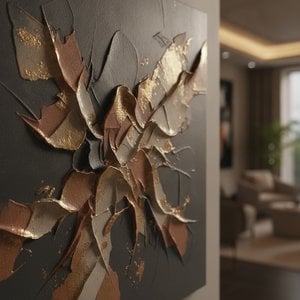
Elevate hospitality interiors with the sculptural depth of plaster and impasto art. Explore how tactile textures and relief techniques create immersive, luxurious environments for modern hotel design through expert curation and bespoke fine art commissions.

Explore the profound emotional depth of Van Gogh's impasto technique. Discover how his sculptural brushstrokes and textured oil layers define Post-Impressionism through an expert art-historical lens, perfect for discerning collectors and fine art enthusiasts.


 미리보기
미리보기
 공유하기
공유하기 공유하기
공유하기
 상세 정보
상세 정보

 다운로드
다운로드
 유사 작품
유사 작품 X-레이
X-레이 슬라이드 쇼
 통계 정보
통계 정보 더 보기
더 보기









 유리 옵션은 110cm 미만 크기에서만 선택 가능합니다.


