

빠른 제작과 다양한 마감 옵션을 제공하는 박물관 수준의 지클레이 및 캔버스 프린트. ( 수작업 채색 복제본 주문하기 디지털 이미지로 전환)





























작품의 원본 비율을 그대로 유지하는 프리셋 사이즈 중에서 선택해 보세요.

액자나 벽면 크기에 맞춰 필요한 가로와 세로 길이를 입력해 주세요. 프린트는 원본 이미지보다 크게 제작할 수 없으며 오직 자르는 것만 가능하므로, 비율이 다른 사이즈를 선택할 경우 이미지의 일부가 잘려 나갈 수 있습니다. 인쇄 작업에 들어가기 전, 최종 확인을 위해 디지털 목업을 보내드립니다. 이 페이지에 표시된 이미지는 실제 잘리는 영역을 나타내지 않으며, 오직 목업을 통해서만 정확한 확인이 가능합니다.
Nature studies
복제본 크기
Giuseppe Arcimboldo's "Nature Studies," particularly the vibrant watercolor depicting a deer and an unidentified horned creature, are not merely charming botanical arrangements; they represent a profound engagement with the intellectual currents of 16th-century Europe. Born in Milan in 1527, Arcimboldo’s career blossomed within the opulent courts of Vienna and Prague, where he served as court painter to emperors Rudolf II and Maximilian II. His unique approach—constructing portraits entirely from meticulously assembled fruits, vegetables, flowers, and even books – defied conventional portraiture, offering a captivating blend of artistry, symbolism, and playful observation. These works weren’t simply decorative; they were carefully crafted allegories designed to resonate with the sophisticated minds of the Renaissance elite, reflecting their fascination with natural philosophy, classical mythology, and the burgeoning scientific exploration of the world.
The historical context surrounding Arcimboldo's work is crucial to understanding its significance. The late 16th century was a period of intense intellectual ferment, marked by the rediscovery of classical texts, advancements in astronomy and anatomy, and a growing interest in the natural sciences. Rudolf II, in particular, was an avid collector of curiosities – exotic animals, rare plants, and unusual objects – reflecting his patronage of the arts and sciences. Arcimboldo’s portraits were commissioned to entertain this discerning ruler, but they also served as visual representations of complex ideas about nature, power, and human identity. The careful selection of each element—the delicate antlers of the deer, the textured fur of the horned creature—was deliberate, imbued with symbolic meaning that spoke to the prevailing worldview of the time.
Arcimboldo’s mastery lies in his exquisite technique – a testament to his meticulous observation and artistic skill. The “Nature Studies” are executed primarily in watercolor on paper, a medium perfectly suited to capturing the delicate textures and subtle gradations of color found in natural forms. He employed a layering technique, building up washes of pigment to create depth and luminosity, mimicking the appearance of fur, wood grain, and foliage with remarkable accuracy. Fine lines define the intricate details of the antlers and the contours of the animals’ faces, while soft, blurred edges suggest the ephemeral nature of the subject matter. The muted earth tones—ochres, browns, greens, and creams—create a harmonious palette that evokes a sense of tranquility and natural beauty.
The artist's use of watercolor is particularly noteworthy for its ability to convey texture. He skillfully manipulated the pigment to simulate the rough bark of trees, the smooth surface of fruit skins, and the delicate petals of flowers. The slight variations in color and tone create a sense of depth and volume, drawing the viewer into the composition. The choice of paper itself—likely parchment—adds to the overall effect, lending a tactile quality to the artwork that invites close examination.
Each element within Arcimboldo’s “Nature Studies” carries symbolic weight. The deer, often associated with grace, nobility, and the hunt, represents strength and vitality. The unidentified horned creature, shrouded in shadow, evokes a sense of mystery and perhaps even danger – a reminder of the wildness that lies beneath the surface of civilization. The inclusion of books within the composition is particularly significant, referencing the humanist ideals of education and knowledge prevalent during the Renaissance. Arcimboldo’s portraits are not simply representations of animals; they are complex allegories that invite interpretation and contemplation.
Furthermore, the arrangement of these objects—the careful juxtaposition of disparate elements—creates a visual dialogue between nature and humanity. The deer's antlers intertwine with the books, suggesting a connection between the natural world and intellectual pursuits. The overall effect is one of harmonious integration, reflecting Arcimboldo’s belief in the interconnectedness of all things. It’s a subtle but powerful commentary on the Renaissance fascination with balance, harmony, and the pursuit of knowledge.
Despite their historical context, Arcimboldo's “Nature Studies” continue to resonate with viewers today. The whimsical nature of these portraits—the unexpected combination of familiar objects—evokes a sense of delight and wonder. They invite us to see the world in new ways, to appreciate the beauty and complexity of the natural world, and to question our assumptions about representation and reality. The artwork’s enduring appeal lies not only in its technical brilliance but also in its ability to capture a fleeting moment of harmony between humanity and nature—a sentiment that remains profoundly relevant in our increasingly complex and disconnected world.
Reproductions of these captivating works offer a unique opportunity to bring the artistry of Arcimboldo into your home or office. Whether you choose a large-scale canvas print or a smaller watercolor reproduction, you’ll be acquiring a piece of art history that celebrates the beauty, mystery, and enduring power of nature.
주세페 아르침볼도의 "Nature studies"의 인기도는 Iconic 수준입니다. 이 분류는 해당 작품이 얼마나 널리 알려져 있는지를 반영합니다.
주세페 아르침볼도의 "Nature studies"의 색채 구성은 Pastels로 요약할 수 있습니다. 이는 작품에 사용된 색상들을 간결하게 표현한 것입니다.
"Nature studies"의 가상 배치 미리보기 페이지에서는 주문 전 작품을 미리 확인할 수 있습니다.

1527 - 1593 , 이탈리아

Discover the ethereal beauty of watercolor through an art-historical lens. Master the delicate balance of light, fluidity, and pigment to capture the luminous essence of nature, inspired by the legendary techniques of the Old Masters and Impressionist greats.
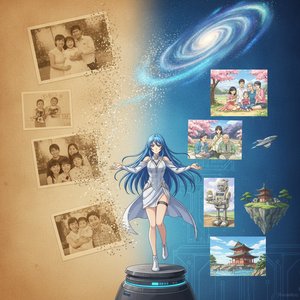
Step into the spotlight with WahooArt's AI-driven transformation. Turn your photos into stunning, hand-painted anime oil masterpieces. Experience the perfect fusion of cutting-edge technology and museum-grade craftsmanship to create a timeless pop-culture legacy for your home.
 미리보기
미리보기
 공유하기
공유하기 공유하기
공유하기
 상세 정보
상세 정보 가이드 보기

 다운로드
다운로드
 유사 작품 더 보기
 X-레이
X-레이 슬라이드 쇼 보기
 질의응답
질의응답
 통계 정보
통계 정보

 더 보기
더 보기









 유리 옵션은 110cm 미만 크기에서만 선택 가능합니다.


