

 Oil On CanvasWallArtMannerist Portraiture
 1573
1573 76.0 x 64.0 cm
 루브르 박물관
빠른 제작과 다양한 마감 옵션을 선택할 수 있는 박물관 수준의 지클레이 및 캔버스 프린트. ( 수작업 채색 복제본 주문하기 디지털 이미지 판매 채널로 전환)





























작품의 원본 비율을 그대로 유지하는 프리셋 사이즈 중에서 선택해 보세요.

액자나 벽면 크기에 맞춰 필요한 가로와 세로 길이를 입력해 주세요. 프린트는 원본 이미지보다 크게 제작할 수 없으며 오직 자르는 것만 가능하므로, 비율이 다른 사이즈를 선택할 경우 이미지의 일부가 잘려 나갈 수 있습니다. 인쇄 작업에 들어가기 전, 최종 확인을 위해 디지털 목업을 보내드립니다. 이 페이지에 표시된 이미지는 실제 잘리는 영역을 나타내지 않으며, 오직 목업을 통해서만 정확한 확인이 가능합니다.
Autumn
복제본 규격
Giuseppe Arcimboldo’s “Autumn,” painted in 1573, isn’t merely a still life; it’s an audacious declaration of human ingenuity and a profound meditation on the cyclical nature of time. This remarkable work, now residing within the hallowed halls of the Louvre Museum in Paris, transcends the boundaries of traditional portraiture, transforming a single man into a vibrant tapestry of autumnal bounty. Arcimboldo, a master of the Mannerist style, didn’t simply arrange fruits and vegetables; he meticulously constructed a face – a visage brimming with life, wisdom, and an almost unsettling beauty – entirely from these natural elements.

The painting’s power lies not just in its subject matter, but in the extraordinary skill with which it was executed. Arcimboldo employed oil on canvas, a medium that allowed for rich textures and subtle gradations of color – crucial to achieving the illusion of depth and volume within the constructed face. Notice how he's used varying shades of green to mimic skin tones, layering apples and pears to create the contours of a nose and mouth, and utilizing grapes and leaves to form a crown-like arrangement around the head. The meticulous attention to detail is breathtaking; each fruit and vegetable is rendered with remarkable precision, contributing to the overall sense of realism despite its fantastical nature. The use of contrasting colors – the vibrant reds of apples against the deep greens of foliage – further enhances the visual impact.
“Autumn” isn’t simply a decorative exercise; it's deeply rooted in Renaissance symbolism and allegorical thought. The choice of autumnal fruits and vegetables is laden with meaning. Apples, often associated with knowledge and wisdom, frame the face, suggesting an intellectual depth. Grapes represent abundance and prosperity, while onions – traditionally linked to tears and sorrow – subtly hint at mortality. The inclusion of birds scattered throughout the composition adds another layer of symbolism, representing freedom, joy, and perhaps even a fleeting connection to the natural world. Furthermore, the painting’s creation coincided with the rise of interest in the New World and its exotic goods, making the incorporation of items like gourds – originating from North America – a deliberate statement about the Habsburg Empire's global reach and influence.
Giuseppe Arcimboldo’s “Autumn” stands as a pivotal work in the history of art, solidifying his reputation as one of the most innovative and imaginative artists of the Renaissance. His unique approach to portraiture—transforming human faces into elaborate constructions of objects—anticipated later developments in Surrealism and Pop Art. He was commissioned by Holy Roman Emperors Rudolf II and Maximilian II, who appreciated his ability to create visually arresting and intellectually stimulating works that reflected their own fascination with science, nature, and the exotic. Reproductions of “Autumn” offer a captivating glimpse into Arcimboldo’s world—a world where art transcends the boundaries of representation and becomes a powerful vehicle for communication and contemplation. WahooArt offers exquisite hand-painted reproductions that faithfully capture the artistry and symbolism of this extraordinary masterpiece, allowing you to bring its timeless beauty into your home or office.
주세페 아르침볼도의 "Autumn"은(는) Earthy 색조의 팔레트를 사용합니다. 이 팔레트는 작품 전체의 색채적 특징을 집약적으로 보여줍니다.
슬라이드쇼를 이용하실 수 있습니다: 주세페 아르침볼도의 "Autumn"의 슬라이드쇼 페이지.
"Autumn"은(는) Espresso (#4a413f)이(가) 주를 이루는 Earthy 색조로 정의됩니다.

1527 - 1593 , 이탈리아

Explore the profound beauty of fruit arrangement masterpieces. From Dutch Golden Age opulence to Baroque chiaroscuro, discover the art history, symbolism, and timeless elegance of classical still life paintings for the discerning collector.
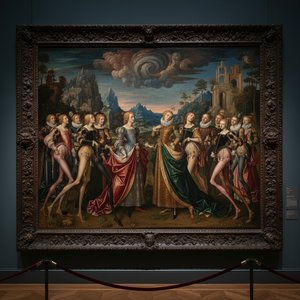
Explore the dramatic evolution of Northern Mannerism. Discover how masters like Bosch and Grünewald transitioned from Renaissance harmony to profound, elegant distortion through an expert analysis of symbolism, emotional intensity, and artistic innovation.

Embark on a visual journey through the golden hues of autumn fine art. Discover how masters like Van Gogh capture seasonal magic through vibrant oil landscapes and explore expert tips for collecting timeless autumnal masterpieces.
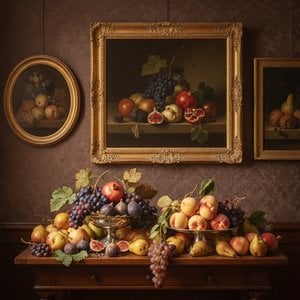
Discover the profound beauty of fruit still life paintings. Explore the rich symbolism, Baroque mastery, and timeless allure of nature's bounty through an art-historical lens, perfect for collectors and enthusiasts of classical fine art.

Unveil the captivating world of Mannerism. Our expert analysis explores the transition from Renaissance harmony to the profound, elegant distortions of masters like El Greco, offering deep insights into one of art history's most influential and enigmatic eras.

 실제 크기로 보기
 보내기
보내기 공유하기
공유하기
 상세 보기
상세 보기 가이드 보기

 이미지 다운로드
 유사 작품 더 보기
 X-레이
X-레이 슬라이드 쇼 보기
 통계 정보
통계 정보 상세 보기
상세 보기









 유리 옵션은 110cm 미만 크기에서만 선택 가능합니다.


