
빠른 제작과 다양한 마감 옵션을 제공하는 박물관 품질의 지클레이 또는 캔버스 프린트. ( 손으로 그린 그림 구매 디지털 이미지로 전환)





























작품의 원본 비율을 유지하는 미리 설정된 크기 중에서 선택하세요.

특정 프레임이나 공간에 맞춰 직접 치수를 입력하실 수 있습니다. 선택하신 사이즈가 원본 이미지의 비율과 일치하지 않을 경우, 작품을 크롭(자르기)하거나 이미지를 대칭 또는 단색 채우기로 확장하여 제작합니다. 제작 시작 전, 최종 확인을 위해 디지털 목업이 전송됩니다.
화면상의 미리보기는 실제 크롭이나 확장 상태를 반영하지 않으므로, 최종 구도는 오직 목업을 통해서만 정확하게 확인하실 수 있습니다.
맞춤 사이즈 제작도 가능하지만, 원본 비율을 유지하기 위해서는 사전 정의된 목록에서 치수를 선택하시는 것을 권장합니다.

Count Robert de Montesquiou
복제본 크기
In the shimmering twilight of the nineteenth century, few images capture the intoxicating essence of Parisian high society as vibrantly as Giovanni Boldini’s 1897 masterpiece, Count Robert de Montesquiou. This portrait is far more than a mere likeness of an aristocrat; it is a window into the soul of the Belle É Époque, a period defined by opulence, aesthetic obsession, and a certain theatrical flair. Boldini, often celebrated as the "Master of Swish," does not simply paint a man; he paints an era. The subject, Count Montesquiou, was the quintessential dandy—a poet, aesthete, and social luminary whose very presence commanded the attention of the French elite. Through Boldini’s lens, we encounter a figure of profound dignity, seated with a poised grace that suggests both aristocratic repose and a sharp, penetrating intellect.
The composition invites the viewer into a sophisticated social tableau. While Montesquiou remains the undeniable gravitational center of the work, the strategic placement of secondary figures adds a layer of mysterious social depth, hinting at the bustling, interconnected world of Parisian salons. There is a palpable sense of atmosphere, as if the viewer has just stepped into a private moment of contemplation within a grand estate. For the collector or interior designer, this painting offers an unparalleled sense of prestige, acting as a focal point that breathes life, history, and a touch of much-coveted drama into any curated space.
Technically, Boldini’s work is a breathtaking dance between the precision of realism and the spontaneous energy of Impressionism. He possesses a rare ability to render the tactile reality of his subject—the subtle textures of skin, the sharp lines of a well-tailored suit, and the glint of light upon a cane—while simultaneously employing a fluid, almost electric brushstroke. This technique creates a luminous quality that seems to vibrate on the canvas. His masterful use of chiaroscuro—the dramatic interplay between deep shadows and brilliant highlights—sculpts the Count’s features, lending the portrait a three-dimensional presence that feels startlingly immediate.
The brushwork is famously "swishy," characterized by long, sweeping strokes that imbue the scene with movement and vitality. This prevents the portrait from feeling static or frozen in time; instead, there is a rhythmic flow to the composition that guides the eye across the canvas, following the elegant lines of the subject's posture. To possess a reproduction of such a work is to bring this kinetic energy into one's home, offering an aesthetic experience that is both intellectually stimulating and visually mesmerizing.
Beyond the surface beauty lies a profound exploration of identity and social symbolism. Count Montesquiou was not merely a man of wealth, but a symbol of the "new incarnation of the Baudelarian dandy"—a figure who found spiritual and artistic meaning in beauty and artifice. The painting captures this tension between the public persona and the private self. The Count’s steady gaze and composed stance reflect the controlled elegance required by his station, yet the loose, expressive technique used by Boldini hints at the underlying passion and complexity of a man deeply embedded in the Symbolist movement.
For those looking to decorate with purpose, this artwork serves as an emblem of refined taste. It evokes themes of legacy, sophistication, and the enduring power of beauty. Whether placed in a formal study, a grand dining room, or a contemporary gallery setting, Count Robert de Montesquiou acts as a conversation piece that transcends time. It is an invitation to celebrate the exquisite, to honor the history of European elegance, and to surround oneself with the transformative power of fine art.


1842 - 1931 , 이탈리아

Explore the captivating world of Giovanni Boldini, master of Belle Époque portraiture. Discover his signature style, iconic works like 'Miss Bell,' and lasting influence on art history. Expert analysis for collectors.

Explore the art & culture of 1875 Paris – a pivotal year for Impressionism & the Belle Époque. Discover Degas, Béraud, Stewart & more with WahooArt's expert insights.
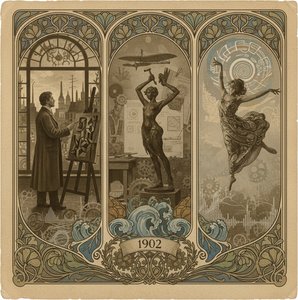
Explore the captivating art of 1902 – a pivotal year bridging Belle Époque elegance & Modernism's dawn. Discover artists like Chéret, Boldini & Luminist masters. Expert insights for collectors at WahooArt.

Explore the captivating world of Jean-Georges Béraud, master painter of Belle Époque Paris. Discover his iconic scenes, artistic evolution, and social commentary. A deep dive into 19th-century French art.

Explore the art & culture of the Belle Époque! Discover Impressionism, Realism, and iconic Parisian paintings from Degas, Béraud & more. High-quality reproductions at WahooArt.


 미리보기
미리보기
 공유하기
공유하기 공유하기
공유하기
 상세 정보
상세 정보 가이드 보기

 다운로드
다운로드
 유사 작품
유사 작품 X-레이
X-레이 슬라이드 쇼
 통계 정보
통계 정보


 더 보기
더 보기









 유리 옵션은 110cm 미만 크기에서만 선택 가능합니다.


