
 OilWallArtRenaissance Humanism
 1471Renaissance
 106.0 x 84.0 cm
 바티칸 핀코테카
빠른 제작과 다양한 마감 옵션을 제공하는 박물관 품질의 지클레이 또는 캔버스 프린트. ( 손으로 그린 그림 구매 디지털 이미지로 전환)





























작품의 원본 비율을 유지하는 미리 설정된 크기 중에서 선택하세요.

특정 프레임이나 공간에 맞춰 직접 치수를 입력하실 수 있습니다. 선택하신 사이즈가 원본 이미지의 비율과 일치하지 않을 경우, 작품을 크롭(자르기)하거나 이미지를 대칭 또는 단색 채우기로 확장하여 제작합니다. 제작 시작 전, 최종 확인을 위해 디지털 목업이 전송됩니다.
화면상의 미리보기는 실제 크롭이나 확장 상태를 반영하지 않으므로, 최종 구도는 오직 목업을 통해서만 정확하게 확인하실 수 있습니다.
맞춤 사이즈 제작도 가능하지만, 원본 비율을 유지하기 위해서는 사전 정의된 목록에서 치수를 선택하시는 것을 권장합니다.

Pietà
복제본 크기
In the quiet stillness of Giovanni Bellini’s Pietà, completed in 1471, one finds more than a mere religious depiction; one encounters a profound meditation on grief and divine compassion. As a cornerstone of Venetian Renaissance art, this masterpiece captures a pivotal moment in the artist's formative years, where the solemnity of the East meets the burgeoning humanism of the West. The painting presents the iconic motif of the Virgin Mary cradling the lifeless body of Jesus after his crucifixion, yet Bellini elevates the scene beyond simple iconography. Through a masterful command of color and texture, he creates an atmosphere of contemplative stillness that invites the viewer into a sacred dialogue with the divine.
The composition is anchored by a powerful pyramidal structure, a hallmark of Byzantine tradition that provides a sense of eternal stability. This geometric harmony directs the eye upward, tracing the path from the heavy, mortal weight of Christ’s body to the serene, almost ethereal face of Mary. Bellini skillfully bridges two worlds here: he retains the spiritual gravity found in the works of Russian masters like Andrei Rublev, yet infuses the scene with a new, palpable human emotion. The result is a work that feels both ancient and immediate, a timeless expression of sorrow that resonates across centuries.
To behold the Pietà is to witness Bellini’s revolutionary approach to the Venetian palette. The artist utilizes rich, deep tones—specifically the striking crimson and gold of the drapery—to symbolize both royalty and holiness. These colors are not merely decorative; they serve as a visual liturgy, reinforcing the sacred narrative through their very luminosity. His technique involves a meticulous layering of pigments that captures the light in a way that suggests an inner, spiritual glow, a quality that would later define the Venetian school's obsession with colore.
Bellini’s mastery is further revealed in his subtle use of tonal transitions. By employing delicate gradations, he achieves a soft, almost dreamlike quality in the flesh tones and the folds of the heavy fabrics. This precision in detail—from the weight of the limp limbs to the intricate textures of the cloth—creates a sense of physical presence that makes the spiritual tragedy feel devastatingly real. For the collector or the designer, this painting offers a profound depth of character; it is a piece that does not merely occupy space but transforms the atmosphere of a room with its somber elegance and luminous complexity.
Beyond its technical brilliance, the Pietà stands as a testament to the transformative era of the Italian Renaissance. Created in the heart of Venice’s artistic powerhouse, the work reflects a period of intense spiritual anxiety and soaring humanistic aspiration. Bellini’s ability to synthesize the rigid, symbolic language of Byzantine icons with the soft, emotive realism of the Renaissance allows the painting to function as both an object of devotion and a triumph of human skill.
For those seeking to bring a sense of historical weight and soulful beauty into their collections or interior spaces, a high-quality reproduction of this work offers an unparalleled opportunity. The Pietà is not just a window into the fifteenth century; it is an enduring symbol of the capacity for art to capture the most profound depths of the human spirit. Its presence in a curated space serves as a constant reminder of the beauty found in mourning, the strength found in grace, and the eternal power of the Venetian master's vision.


1433 - 1516 , 이탈리아

Embark on a journey through the Venetian Renaissance. Discover how masters like Giorgione and Titian revolutionized art through luminous color and light. Explore the profound legacy of the Venetian School and its enduring influence on the world of fine art.
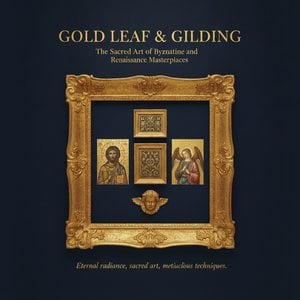
Explore the divine mastery of Byzantine gold leaf and gilding. Discover how ancient artisans used gold ground and mosaics to create celestial light, a timeless legacy of spiritual splendor and technical excellence in sacred art history.

Embark on a profound journey through art history with our exploration of the most iconic depictions of the Virgin Mary. Discover the divine grace, symbolism, and masterful techniques found in Renaissance masterpieces and sacred iconography.


 미리보기
미리보기
 공유하기
공유하기 공유하기
공유하기
 상세 정보
상세 정보

 다운로드
다운로드
 유사 작품
유사 작품 X-레이
X-레이 슬라이드 쇼
 통계 정보
통계 정보 더 보기
더 보기









 유리 옵션은 110cm 미만 크기에서만 선택 가능합니다.


