
x


빠른 제작과 다양한 마감 옵션을 제공하는 박물관 품질의 지클레이 또는 캔버스 프린트. ( 손으로 그린 그림 구매 이미지 구매)





























작품의 원본 비율을 유지하는 미리 설정된 크기 중에서 선택하세요.

특정 프레임이나 공간에 맞춰 직접 치수를 입력하실 수 있습니다. 선택하신 사이즈가 원본 이미지의 비율과 일치하지 않을 경우, 작품을 크롭(자르기)하거나 이미지를 대칭 또는 단색 채우기로 확장하여 제작합니다. 제작 시작 전, 최종 확인을 위해 디지털 목업이 전송됩니다.
화면상의 미리보기는 실제 크롭이나 확장 상태를 반영하지 않으므로, 최종 구도는 오직 목업을 통해서만 정확하게 확인하실 수 있습니다.
맞춤 사이즈 제작도 가능하지만, 원본 비율을 유지하기 위해서는 사전 정의된 목록에서 치수를 선택하시는 것을 권장합니다.

Perspective View (Stage design)
복제본 크기
Canaletto’s “Perspective View (Stage Design)” is more than just a depiction of a bustling scene; it's a window into the vibrant theatrical culture of 18th-century Venice. Painted likely in the early 1720s, this capriccio – a term Canaletto himself employed for imaginary or idealized views – transports us to a fantastical Capitol, glimpsed through a grand loggia adorned with Corinthian columns and shimmering with golden ornamentation. The composition is anchored by an equestrian monument, reminiscent of Marcus Aurelius, rising majestically from the steps of a triumphal arch, creating a powerful sense of grandeur and historical resonance.
The painting’s genius lies not merely in its technical precision but also in its evocative atmosphere. Canaletto masterfully employs linear perspective to draw the viewer into this meticulously rendered space. The receding lines of the loggia, the diminishing scale of the statues, and the subtle shifts in light create a convincing illusion of depth, inviting us to step through the painted world and become part of the scene. Notice how he uses atmospheric perspective – distant elements are paler and less defined, contributing to the overall sense of vastness and theatrical spectacle.
Giovanni Antonio Canal, known as Canaletto, was a pivotal figure in the development of topographical painting. Born in Venice in 1697, he initially trained under his father, Bernardo Canal, a stage designer for theatrical productions. This early experience instilled in him a deep understanding of perspective and spatial relationships – skills that would later define his remarkable career. Canaletto’s work was profoundly shaped by the bustling commercial activity of Venice, a city renowned for its trade and artistic patronage. He meticulously documented the city's canals, palaces, markets, and everyday life, creating a vast archive of visual records.
His approach differed significantly from earlier Venetian painters who focused primarily on religious or mythological subjects. Canaletto’s interest lay in capturing the tangible reality of Venice – its architecture, its people, and its atmosphere. This shift towards secular subject matter reflected a broader cultural trend during the 18th century, as artists increasingly sought to depict the world around them with greater accuracy and detail. The painting's attribution has been debated by scholars, but Stefano Susinno recognized it as a unique example in Canaletto’s oeuvre due to its drawing, points of light, and similarities to other capricci.
Beyond its technical brilliance, “Perspective View (Stage Design)” is rich in symbolic meaning. The equestrian monument, a reference to Roman emperors, suggests an ideal of leadership and power. The triumphal arch evokes the grandeur of ancient Rome, while the golden ornaments symbolize wealth and prestige. The inclusion of figures engaged in various activities – musicians, spectators, and performers – underscores the importance of theatre as a central element of Venetian society. It’s a scene brimming with life, energy, and the allure of entertainment.
Interestingly, scholars believe this painting may have been created shortly after Canaletto's stay in Rome (1718-1720), possibly inspired by the city’s ancient ruins and theatrical traditions. The presence of numerous architectural elements reminiscent of Roman antiquity suggests a deliberate attempt to evoke the spirit of the classical world.
“Perspective View (Stage Design)” stands as a testament to Canaletto's exceptional skill and artistic vision. It’s a captivating blend of realism, imagination, and theatricality – a painting that continues to delight and intrigue viewers centuries after its creation. Reproductions of this work offer a remarkable opportunity to experience the beauty and detail of Canaletto’s artistry in your own home or office, bringing a touch of Venetian elegance and historical grandeur to any space.

1697년 10월 18일, 이탈리아 베네치아에서 조반니 안토니오 카날이 태어났습니다. 흔히 ‘카날레토’라는 이름으로 더 잘 알려진 그는 단순한 풍경화가가 아닌, 18세기 베네치아의 화려함과 섬세함을 영원히 기록한 예술가였습니다. 그의 아버지는 극장 무대 장식 미술가 베르나르도 카날이었고, 어머니는 아르테미시아 바르비에리였으며, 어린 시절부터 아버지에게 미술의 기초를 배우며 예술적 재능을 키워갔습니다.
1718년, 카날레토는 로마로 여행을 떠나 알레산드로 스카를라티의 오페라 무대 장식을 제작하며 예술적 경험을 넓혔습니다. 이 시기는 그의 예술가로서의 성장에 결정적인 영향을 미쳤으며, 이후 베네치아로 돌아온 그는 자신만의 독특한 화풍을 구축하기 시작했습니다. 카날레토는 베네치아의 아름다운 풍경, 특히 대운하를 중심으로 한 도시의 모습을 담은 ‘베두타(Vedute)’ 장르에 뛰어난 재능을 보였습니다. 그의 그림은 단순한 풍경 묘사를 넘어, 빛과 그림자의 미묘한 조화, 건축물의 정교한 표현, 그리고 활기 넘치는 시민들의 삶을 생생하게 포착했습니다.
카날레토의 대표작으로는 돌담 쌓는 마당(The Stonemason's Yard)(약 1725년)이 있습니다. 이 작품은 그의 초기 뛰어난 기량을 보여주는 걸작으로, 섬세한 구도와 빛의 표현이 돋보입니다. 또한, 대운하의 레가타(Regatta on the Grand Canal)는 베네치아 공공 행사의 생동감을 탁월하게 담아낸 작품이며, 이튼 칼리지(Eton College)(1746-1756년)는 영국에 대한 그의 영향력을 보여주는 중요한 그림입니다. 카날레토의 그림은 정밀한 원근법과 세심한 준비 드로잉을 통해 제작되었으며, 일부 전문가들은 지리적 정확성을 높이기 위해 카메라 옵스쿠라를 사용했을 가능성도 제기하고 있습니다. 그러나 그에게 가장 중요했던 것은 구도 디자인이었으며, 그의 작품은 단순한 기록이 아닌 시각적으로 놀라운 예술 작품으로 완성되었습니다.
카날레토는 조반니 파올로 판니니와 같은 화가들에게 영향을 받았으며, 그의 그림은 틴토레토를 비롯한 많은 후대 예술가들에게 영감을 주었습니다. 특히 그의 외조카 베르나르도 벨로토 역시 뛰어난 화가가 되어 카날레토의 예술적 전통을 이어갔습니다. 카날레토의 작품은 현재 런던 내셔널 갤러리(The National Gallery, London)를 비롯한 세계 각지의 주요 미술관에 소장되어 있으며, 그의 유산은 18세기 미술사에 깊이 새겨져 있습니다. 그는 베네치아 풍경화의 거장으로서, 오늘날에도 많은 사람들에게 사랑받고 영감을 주는 예술가입니다.
더 많은 전기와 작품을 탐험하려면 https://WahooArt.com를 방문하십시오.
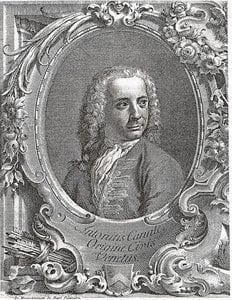
1697 - 1768 , 이탈리아
Elevate your home staging with premium, hand-painted art reproductions from WahooArt. Achieve luxury transformations in under 3 weeks with our express delivery service. Perfect for freelance decorators seeking museum-quality, ready-to-hang masterpieces that drive property value.

Discover how curated fine art transforms restaurants into immersive theatrical stages. Learn expert strategies for restaurateurs to elevate brand identity, influence diner emotion, and create unforgettable gastronomic experiences through masterful visual storytelling.

WahooArt에서 당신의 예술을 전 세계 컬렉터에게 선보이세요. 20년 전통의 전문성을 바탕으로 단순한 복제를 넘어 예술가의 혼을 담은 프리미엄 유화 재현과 글로벌 브랜딩 기회를 제공합니다. 전 세계 70개국 이상의 팬들과 연결되어 당신의 작품을 시대를 초월한 레거시로 만드세요.

Elevate your art collection's legacy. List your ready-to-ship originals on WahooArt’s verified marketplace. Benefit from expert appraisal, global reach, and secure consignment designed for elite collectors seeking seamless, high-value transactions with absolute prestige.
Explore the profound beauty of Roman architecture through art history. From Piranesi's evocative engravings to classical masterpieces, discover how the grandeur of ancient Rome continues to inspire collectors and art enthusiasts worldwide.


최신 미술 뉴스, 특별 혜택 및 인테리어 아이디어를 가장 먼저 만나보세요.
프로젝트에 대해 알려주시면 저희 미술 전문가들이 맞춤형 아트 제안 3가지를 전달해 드립니다.
당신만을 위한 맞춤형 옵션 3가지를 무료로 추천해 드립니다!


 미리보기
미리보기
 공유하기
공유하기 공유하기
공유하기
 상세 정보
상세 정보

 다운로드
다운로드
 유사 작품
유사 작품 X-레이
X-레이 슬라이드 쇼

 더 보기
더 보기









 유리 옵션은 110cm 미만 크기에서만 선택 가능합니다.


