
x


 Tempera On PanelGothic
 1456Renaissance
 126.0 x 76.0 cm
 Collegiata di Santa Maria di Piazza Alta
빠른 제작과 다양한 마감 옵션을 제공하는 박물관 품질의 지클레이 또는 캔버스 프린트. ( 손으로 그린 그림 구매 이미지 구매)





























작품의 원본 비율을 유지하는 미리 설정된 크기 중에서 선택하세요.

특정 프레임이나 공간에 맞춰 직접 치수를 입력하실 수 있습니다. 선택하신 사이즈가 원본 이미지의 비율과 일치하지 않을 경우, 작품을 크롭(자르기)하거나 이미지를 대칭 또는 단색 채우기로 확장하여 제작합니다. 제작 시작 전, 최종 확인을 위해 디지털 목업이 전송됩니다.
화면상의 미리보기는 실제 크롭이나 확장 상태를 반영하지 않으므로, 최종 구도는 오직 목업을 통해서만 정확하게 확인하실 수 있습니다.
맞춤 사이즈 제작도 가능하지만, 원본 비율을 유지하기 위해서는 사전 정의된 목록에서 치수를 선택하시는 것을 권장합니다.

The Annunciation
복제본 크기
In the quiet sanctity of the Collegiata di Santa Maria di Piazza Alta in Sarnano, Italy, resides a masterpiece that transcends the boundaries of time. The Annunciation, painted in 1456 by the skilled hand of Giovanni Angelo D'Antonio, is not merely a depiction of a biblical event; it is a profound window into the spiritual psyche of the 15th century. As the viewer approaches this exquisite tempera on wood panel, they are immediately enveloped by an atmosphere of profound tranquility and divine grace. The painting captures that breathless, suspended moment when the celestial meets the terrestrial—the exact instant the Angel Gabriel descends to deliver a message that will alter the course of human history.
The composition is a masterclass in the Gothic style, blending architectural grandeur with an intimate, human scale. D'Antonio utilizes the medium of tempera to achieve a luminous clarity, where every brushstroke serves to illuminate the sacred narrative. The artist’s use of gold leaf is particularly breathtaking, catching the light to create a sense of heavenly splendor that feels both opulent and ethereal. This shimmering brilliance does not merely decorate; it sanctifies the space, elevating the scene from a historical recount to a living, breathing vision of the divine.
Every element within this sacred tableau is imbued with deep symbolic meaning, designed to guide the faithful through a journey of contemplation. The Angel Gabriel, positioned with a graceful authority on the left, carries a scroll or book—a potent symbol of divine revelation and the fulfillment of prophecy. Opposite him stands the Virgin Mary, her presence defined by a quiet, meditative strength. She is draped in a vibrant red robe, intricately adorned with gold patterns that signify her exalted status and the passion that awaits her son. This striking splash of crimson serves as the emotional heartbeat of the painting, drawing the eye toward the central interaction between the messenger and the recipient.
The architectural setting further enhances this spiritual dialogue. The presence of detailed arches, columns, and a vaulted ceiling suggests a space that is both a physical church and a metaphorical gateway to heaven. These structural elements provide a sense of depth and permanence, grounding the miraculous event in a tangible reality. For the collector or interior designer, this painting offers more than just visual beauty; it provides a focal point of profound narrative weight, capable of anchoring a room with its historical gravity and serene elegance.
To possess a reproduction of The Annunciation is to invite a piece of the Italian Renaissance into one's personal sanctuary. The painting’s ability to evoke both awe and peace makes it an ideal centerpiece for spaces dedicated to reflection, study, or sophisticated living. Whether placed in a grand gallery or a quiet corner of a contemporary home, the work’s intricate details—from the delicate carvings on the columns to the soft, contemplative expression on Mary's face—reward prolonged observation.
For those seeking to honor the legacy of Giovanni Angelo D'Antonio, high-quality, hand-painted oil reproductions offer an opportunity to experience the texture and soul of this 1456 masterpiece. These works allow the rich colors and the luminous quality of the original Gothic tradition to breathe within modern interiors, bridging the gap between the historical splendor of Sarnano and the aesthetic demands of the present day. It is an investment in art that does not merely decorate a wall but enriches the very spirit of the environment it inhabits.

John Michael Wright, a name often relegated to the footnotes of 17th-century English art history, emerges as a remarkably sophisticated and subtly powerful portraitist. Born in London around 1617 – though his precise origins remain tantalizingly debated – Wright’s life was a tapestry woven with threads of Scottish heritage, Roman artistic influence, and a complex engagement with the volatile political landscape of Restoration England. His work, characterized by an intimate realism and a profound understanding of human psychology, deserves renewed attention as a significant voice within a period dominated by the flamboyant style of Sir Peter Lely.
Wright’s early training unfolded in Edinburgh under the tutelage of George Jamesone, a Scottish painter who instilled in him a foundational knowledge of composition and technique. However, it was his extended sojourn in Rome that truly shaped his artistic vision. Admitted to the prestigious Accademia di San Luca in 1648, Wright immersed himself in the vibrant art scene of the Italian capital, absorbing the techniques of masters like Caravaggio and studying the classical ideals of Renaissance portraiture. This Roman period wasn’t merely a vacation; it was a deliberate investment in his artistic development, providing him with a critical understanding of light, shadow, and the nuances of human expression – elements he would later masterfully employ in his English portraits.
Returning to England in 1656, Wright quickly established himself as a sought-after portraitist, attracting patronage from both Protestant and Catholic circles. This period coincided with the tumultuous years of the Interregnum and the subsequent Restoration, creating a uniquely challenging environment for an artist navigating religious and political divisions. Wright’s ability to secure commissions from figures across the spectrum – including prominent Catholics like Charles II and James II – speaks volumes about his diplomatic skill and his capacity to transcend sectarian boundaries through his art.
His style diverged subtly from Lely's more overtly polished aesthetic. While Lely favored a glamorous, idealized representation of his subjects, Wright’s portraits possessed a greater sense of introspection and psychological depth. His sitters often appear thoughtful, engaged in private contemplation – a marked contrast to the carefully constructed smiles prevalent in many contemporary portraits. This subtle shift reflects a growing interest in capturing not just outward appearances but also the inner lives of his subjects.
Wright’s artistic development was profoundly influenced by the principles of Baroque painting, particularly as he encountered them during his time in Rome. The dramatic use of chiaroscuro – the interplay of light and shadow – became a defining characteristic of his work, lending depth and intensity to his portraits. He skillfully employed tenebrism, creating strong contrasts between illuminated areas and deep shadows, which heightened the drama and focused attention on key features of the subject’s face and expression. Furthermore, Wright's compositions often featured dynamic arrangements of figures and objects, reflecting a Baroque emphasis on movement and theatricality.
His engagement with the Accademia di San Luca also exposed him to contemporary Italian artists, including Rubens and Van Dyck, whose techniques he subtly incorporated into his own style. This cross-cultural fertilization resulted in a portraiture that was both distinctly English and infused with the sophistication of European artistic trends.
Despite facing periods of relative obscurity following his death in 1681, John Michael Wright’s work has been increasingly recognized for its remarkable realism and psychological insight. His portraits offer a rare glimpse into the inner lives of his subjects, revealing their thoughts, emotions, and personalities with subtle yet profound accuracy. Works like “Portrait of Mrs. Salesbury with her Grandchildren” exemplify this ability to capture not just physical likeness but also the complex relationships between individuals.
Today, Wright’s paintings are treasured within collections worldwide, serving as a testament to his artistic skill and his enduring contribution to the history of English portraiture. Further research continues to shed light on the complexities of his life and career, solidifying his place as a significant, though often overlooked, figure in the art world.

1617 - 1666 , Italy
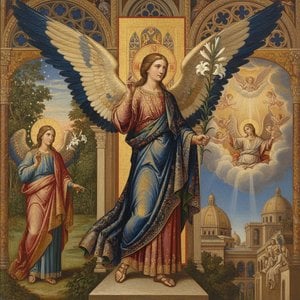
Explore the profound beauty of Angel Gabriel in art history. From Renaissance masterpieces to Baroque splendor, our expert guide delves into the sacred iconography and timeless techniques of these divine messengers for the discerning art enthusiast.
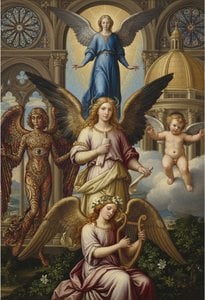
Explore the profound beauty of angelic figures in art history. From Renaissance masterpieces to celestial symbolism, our expert guide offers a sophisticated journey through the divine imagery of the Old Masters for discerning collectors and art enthusiasts.
Embark on a journey through the dramatic era of Gothic art. Discover the profound beauty of illuminated manuscripts, sacred gold leaf masterpieces, and the transition to naturalism in this expert-led exploration of medieval artistry and historical grandeur.

Embark on a profound journey through art history with our exploration of the most iconic depictions of the Virgin Mary. Discover the divine grace, symbolism, and masterful techniques found in Renaissance masterpieces and sacred iconography.

Explore the profound beauty of Marian iconography through an art historian's lens. Discover iconic masterpieces by Raphael and Renaissance masters, celebrating the divine grace and timeless elegance of the Virgin Mary in classical fine art.


최신 미술 뉴스, 특별 혜택 및 인테리어 아이디어를 가장 먼저 만나보세요.
프로젝트에 대해 알려주시면 저희 미술 전문가들이 맞춤형 아트 제안 3가지를 전달해 드립니다.
당신만을 위한 맞춤형 옵션 3가지를 무료로 추천해 드립니다!


 미리보기
미리보기
 공유하기
공유하기 공유하기
공유하기
 상세 정보
상세 정보

 다운로드
다운로드
 유사 작품
유사 작품 X-레이
X-레이 슬라이드 쇼
 더 보기
더 보기









 유리 옵션은 110cm 미만 크기에서만 선택 가능합니다.


