

이 페이지에 표시된 작품은 저작권법의 보호를 받으며, 이에 따라 동일한 복제품을 제작하거나 판매하는 것은 법으로 금지되어 있습니다. 이러한 권리 보호는 다음과 같은 국제 협약에 따라 시행됩니다. 베른 협약 또한 다음에서 명시하는 법률을 포함한 국내법에 의해 보호됩니다. 미국 저작권법 제17조.
이 방식은 저작권 보호를 받는 예술 작품을 복제하거나 그대로 재현하는 것이 아니기에 저작권 규정을 완벽히 준수합니다. 대신, 이는 창의적인 재해석의 과정을 거칩니다. 즉, 원작에서 영감을 받되 원작과 동일하지 않은 새로운 회화 작품을 의미합니다.
빠른 제작과 다양한 마감 옵션을 선택할 수 있는 박물관 수준의 지클레이 및 캔버스 프린트. ( 수작업 채색 복제본 주문하기 디지털 이미지 판매 채널로 전환)





























작품의 원본 비율을 그대로 유지하는 프리셋 사이즈 중에서 선택해 보세요.

액자나 벽면 크기에 맞춰 필요한 가로와 세로 길이를 입력해 주세요. 프린트는 원본 이미지보다 크게 제작할 수 없으며 오직 자르는 것만 가능하므로, 비율이 다른 사이즈를 선택할 경우 이미지의 일부가 잘려 나갈 수 있습니다. 인쇄 작업에 들어가기 전, 최종 확인을 위해 디지털 목업을 보내드립니다. 이 페이지에 표시된 이미지는 실제 잘리는 영역을 나타내지 않으며, 오직 목업을 통해서만 정확한 확인이 가능합니다.
untitled (5575)
복제본 규격
Giorgio de Chirico's "Untitled (5575)" is not merely a portrait of a horse; it’s an immersion into the unsettling beauty of a fractured reality. Painted in the years leading up to World War I, this work embodies the core tenets of the metafisica movement – a distinctly Italian artistic philosophy that sought to capture the illogical and dreamlike qualities of experience. The painting immediately draws the viewer in with its solitary subject: a magnificent horse rendered in meticulous detail against a backdrop of brooding, almost apocalyptic skies. The horse’s head, turned slightly away, exudes an air of quiet contemplation, as if observing a world just beyond our own comprehension.
De Chirico's artistic vision was profoundly shaped by the intellectual currents of his time. He deeply admired the philosophies of Arthur Schopenhauer, particularly his concept of the "will" as a relentless striving for satisfaction perpetually frustrated, and Friedrich Nietzsche’s exploration of subjectivity and the death of God. These ideas permeate “Untitled (5575).” The horse itself can be interpreted as representing primal instinct – untamed, powerful, yet ultimately isolated within its own awareness. The long, flowing mane and neck suggest a connection to mythology and ancient symbolism, while the averted gaze hints at a sense of melancholy or perhaps even disillusionment. Notice also the stark contrast between the warm tones of the horse’s coat and the cool, muted hues of the sky; this deliberate juxtaposition amplifies the painting's emotional resonance.
De Chirico’s technical skill is undeniable. He employs a precise, almost photographic realism to depict the horse’s anatomy, yet simultaneously distorts perspective and creates an unsettling sense of spatial ambiguity. The long shadows stretching across the ground, characteristic of his style, contribute significantly to this effect, blurring the boundaries between reality and illusion. The use of color is restrained but deliberate; the dominant blues and greys evoke a feeling of loneliness and foreboding, while subtle highlights draw attention to key details – the horse’s eyes, for instance – imbuing them with an almost unnerving intensity. The composition itself—the horse positioned slightly off-center against this vast, atmospheric backdrop—creates a dynamic tension that keeps the viewer engaged.
"Untitled (5575)" is more than just a beautiful image; it’s a key to understanding de Chirico’s artistic philosophy. His metafisica sought to capture the fleeting, illogical moments of consciousness—the glimpses into a hidden reality that lie beneath the surface of everyday experience. The painting's influence extends far beyond its own time, profoundly impacting Surrealist artists like René Magritte and Salvador Dalí. It remains a powerful example of how art can evoke profound emotional responses through carefully constructed imagery and a deep engagement with philosophical ideas. A reproduction of this work offers a unique opportunity to bring this evocative dreamscape into your home, inviting contemplation and sparking the imagination. Consider it not just as decoration, but as a portal to a world of unsettling beauty and intellectual depth.
지오르조 디 치리코의 "untitled (5575)"의 기록된 수치는 다음과 같습니다: 밝기 bright, 휘도 Gentle Luminance.
지오르조 디 치리코의 "untitled (5575)"의 기록된 인기도는 Recognized입니다.
"untitled (5575)"은(는) 지오르조 디 치리코의 Early Period를 잘 보여주는 작품입니다.


1888 - 1978 , 그리스
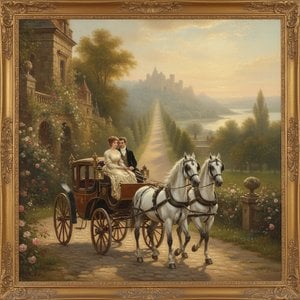
Embark on a visual journey through the romantic world of horse carriage art. Discover the mastery of equestrian oil paintings, from Impressionist textures to classical realism, and learn how to bring timeless elegance into your home with museum-quality reproductions.

 실제 크기로 보기
 보내기
보내기 공유하기
공유하기
 상세 보기
상세 보기 가이드 보기

 이미지 다운로드
 유사 작품 더 보기
 X-레이
X-레이 슬라이드 쇼 보기
 Q&A
Q&A 통계 정보
통계 정보
 상세 보기
상세 보기









 유리 옵션은 110cm 미만 크기에서만 선택 가능합니다.


