


 Acrylic On CanvasWallArtMetaphysical Art
 1917Early Medieval
 31.0 x 21.0 cm
빠른 제작과 다양한 마감 옵션을 제공하는 박물관 품질의 지클레이 또는 캔버스 프린트. ( 손으로 그린 그림 구매 이미지 구매)





























작품의 원본 비율을 유지하는 미리 설정된 크기 중에서 선택하세요.

특정 프레임이나 공간에 맞춰 직접 치수를 입력하실 수 있습니다. 선택하신 사이즈가 원본 이미지의 비율과 일치하지 않을 경우, 작품을 크롭(자르기)하거나 이미지를 대칭 또는 단색 채우기로 확장하여 제작합니다. 제작 시작 전, 최종 확인을 위해 디지털 목업이 전송됩니다.
화면상의 미리보기는 실제 크롭이나 확장 상태를 반영하지 않으므로, 최종 구도는 오직 목업을 통해서만 정확하게 확인하실 수 있습니다.
맞춤 사이즈 제작도 가능하지만, 원본 비율을 유지하기 위해서는 사전 정의된 목록에서 치수를 선택하시는 것을 권장합니다.

The Mathematicians
복제본 크기
Giorgio de Chirico's "The Mathematicians," painted in 1917, isn’t merely a depiction of two figures; it’s an immersion into a meticulously constructed dreamscape—a realm where the rigid logic of mathematics collides with the unsettling beauty of metaphysics. This arresting work, housed within the Giorgio de Chirico House Museum in Rome, offers a profound meditation on reason, alienation, and the elusive nature of reality, solidifying de Chirico’s place as a pivotal figure in the development of Surrealism.
The scene unfolds within an architectural void—a stark, almost theatrical space dominated by a classical Italian facade receding into atmospheric perspective. Foregrounded are two diminutive figures, rendered with unsettling precision, engaged in what appears to be intellectual contemplation. They’re surrounded not by the familiar comforts of a study or workshop, but by a bizarre collection of mathematical instruments: rulers, cylinders, cones, and other tools of calculation—each meticulously detailed as if frozen mid-operation. These objects, seemingly out of place within this desolate setting, immediately establish a core tension: the cold, objective world of mathematics juxtaposed against the inherent subjectivity of human perception.
De Chirico’s style, known as “Metaphysical Art,” deliberately subverts traditional artistic conventions. He rejected naturalism in favor of a highly stylized and symbolic approach. His paintings are characterized by flattened perspectives, illogical spatial relationships, and an unsettling stillness—a deliberate attempt to evoke a sense of unease and disorientation. This technique wasn’t born in isolation; de Chirico was deeply influenced by the philosophical currents of his time, particularly the writings of Friedrich Nietzsche and Arthur Schopenhauer, which explored themes of irrationality, existential angst, and the deceptive nature of appearances. The painting reflects this intellectual engagement, presenting a world where familiar forms are distorted and rendered enigmatic.
Beyond the immediate depiction of mathematicians and their tools, “The Mathematicians” is laden with symbolic weight. The dogs flanking the figures—often interpreted as guardians or symbols of loyalty—add to the painting’s sense of mystery. Their presence suggests a watchful, perhaps even judgmental, gaze. The stark lighting, casting long, dramatic shadows, further amplifies the atmosphere of unease and isolation. The architectural backdrop itself is significant; its classical elements, rendered in muted grays, evoke a sense of timelessness and decay—a subtle critique of the perceived limitations of reason and tradition.
Technically, “The Mathematicians” is executed with remarkable skill. De Chirico employed pencil on paper, creating a surface that appears both smooth and subtly textured. The meticulous rendering of each object—from the sharp edges of the mathematical instruments to the weathered stone of the facade—demonstrates his mastery of line and form. Despite the painting’s dreamlike quality, there's an underlying sense of order and control, reflecting de Chirico’s own disciplined approach to artmaking. The use of linear perspective, while subtly distorted, creates a convincing illusion of depth, drawing the viewer into this unsettling world.
Ultimately, “The Mathematicians” is a powerful exploration of human alienation—a feeling of detachment and isolation in a seemingly rational world. De Chirico’s masterpiece doesn't offer easy answers; instead, it invites us to contemplate the unsettling beauty of ambiguity and the enduring mysteries of the human condition. It remains a hauntingly relevant work, resonating with viewers today through its timeless depiction of the struggle between reason and imagination.


1888 - 1978 , 그리스

Explore the profound mystery of Metaphysical Art. Delve into the philosophical depths of Giorgio de Chirico’s dreamscapes and discover how this enigmatic movement redefined reality through unsettling beauty and classical symbolism.

Embark on a journey through the subconscious with our expert guide to Surrealism. Discover the profound symbolism of masters like Dalí and Ernst, exploring how dreamlike imagery reshaped art history and continues to inspire collectors and enthusiasts worldwide.
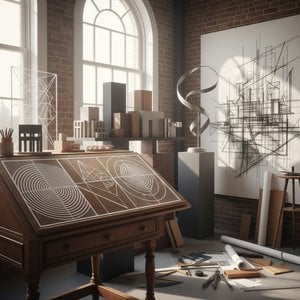
Explore the profound influence of geometry and line in fine art. Discover how structural composition creates visual impact, from Cubist mastery to Op Art precision, and learn to curate sophisticated, mathematically balanced collections for discerning art connoisseurs.
Embark on a curated journey through Pop Surrealism, where vibrant cultural icons collide with the profound depths of the subconscious. An authoritative exploration for discerning collectors seeking to masterfully integrate dreamlike landscapes and bold aesthetics into modern interiors.


 미리보기
미리보기
 공유하기
공유하기 공유하기
공유하기
 상세 정보
상세 정보

 다운로드
다운로드
 유사 작품
유사 작품 X-레이
X-레이 슬라이드 쇼
 더 보기
더 보기









 유리 옵션은 110cm 미만 크기에서만 선택 가능합니다.


