빠른 제작과 다양한 마감 옵션을 제공하는 박물관 품질의 지클레이 또는 캔버스 프린트. ( 손으로 그린 그림 구매 디지털 이미지로 전환)





























작품의 원본 비율을 유지하는 미리 설정된 크기 중에서 선택하세요.

특정 프레임이나 공간에 맞춰 직접 치수를 입력하실 수 있습니다. 선택하신 사이즈가 원본 이미지의 비율과 일치하지 않을 경우, 작품을 크롭(자르기)하거나 이미지를 대칭 또는 단색 채우기로 확장하여 제작합니다. 제작 시작 전, 최종 확인을 위해 디지털 목업이 전송됩니다.
화면상의 미리보기는 실제 크롭이나 확장 상태를 반영하지 않으므로, 최종 구도는 오직 목업을 통해서만 정확하게 확인하실 수 있습니다.
맞춤 사이즈 제작도 가능하지만, 원본 비율을 유지하기 위해서는 사전 정의된 목록에서 치수를 선택하시는 것을 권장합니다.

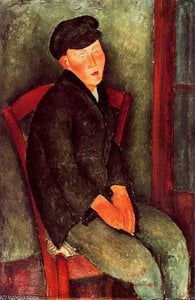
Self Portrait
복제본 크기
Giorgio de Chirico's “Self Portrait,” painted in 1911, is not merely a depiction of an artist; it’s a meticulously crafted evocation of the anxieties and intellectual currents that defined the early years of modernism. This striking image, rendered with a precision born from his training in Athens and honed further in Munich, immediately arrests the viewer with its unsettling stillness. The subject, a man with a thoughtful gaze framed by spectacles and a neatly trimmed beard, stands before a window, lost in contemplation. His clasped hands suggest a profound introspection, while the distant look in his eyes hints at a world beyond immediate perception – a key element of de Chirico’s artistic vision.
Created during a pivotal moment in art history, “Self Portrait” exemplifies de Chirico's emergence as a leading figure in the movement he termed "metaphysical painting." Influenced profoundly by the philosophical writings of Nietzsche and Schopenhauer, de Chirico sought to depict not reality as it appears, but rather the subjective experience of reality – the unsettling feeling that lies beneath the surface of everyday life. This is achieved through a deliberate manipulation of perspective, scale, and atmosphere, creating an almost dreamlike quality. The painting’s power resides in its ability to evoke a sense of unease and disorientation, mirroring the anxieties of a rapidly changing world.
Beyond its technical brilliance, “Self Portrait” is laden with symbolic meaning. The boat glimpsed through the window – a recurring motif in de Chirico’s work – represents both escape and entrapment, suggesting a yearning for freedom intertwined with an awareness of confinement. The man's pose itself speaks to themes of isolation and alienation, reflecting the artist’s own feelings about his place in the world. The overall effect is one of psychological depth, inviting viewers to confront their own anxieties and uncertainties.
Painted in 1911, “Self Portrait” predates de Chirico’s later association with the Surrealists, yet it anticipates many of their key concerns. It stands as a crucial bridge between early modernism and the dreamlike imagery that would come to define the Surrealist movement. De Chirico's influence can be seen in the works of artists such as René Magritte and Max Ernst, demonstrating the enduring power of his vision. This piece continues to resonate with contemporary audiences, offering a poignant meditation on the nature of perception, identity, and the unsettling beauty of the subconscious.


1888 - 1978 , 그리스

Discover the excellence of WahooArt.com premium poster prints. Designed for elite collectors, our museum-quality Giclée reproductions offer unmatched durability and archival precision to elevate your luxury interiors with high-impact, sophisticated art decor.

Elevate your design projects with WahooArt's premium canvas prints and hand-painted reproductions. From Giclée excellence to bespoke oil commissions, we provide professional decorators with museum-quality, affordable art solutions delivered worldwide with a 100% satisfaction guarantee.


 미리보기
미리보기
 공유하기
공유하기 공유하기
공유하기
 상세 정보
상세 정보 가이드 보기

 다운로드
다운로드
 유사 작품
유사 작품 X-레이
X-레이 슬라이드 쇼
 통계 정보
통계 정보

 더 보기
더 보기









 유리 옵션은 110cm 미만 크기에서만 선택 가능합니다.