

 Oil On CanvasWallArtNeoclassicism
 1785
1785 76.0 x 64.0 cm
 National Trust
작가가 직접 캔버스에 손으로 그린 유화 작품으로, 원하는 크기와 액자로 맞춤 제작해 드립니다. ( 프린트 판매로 전환 디지털 이미지 판매 채널로 전환)





























작품의 원본 비율을 그대로 유지하는 프리셋 사이즈 중에서 선택해 보세요.

특정 프레임이나 공간에 맞춰 원하는 크기를 직접 입력하실 수 있습니다. 선택하신 크기가 원본 이미지의 비율과 일치하지 않을 경우, 작품을 자르거나 추가적인 수작업 요소를 더해 그림을 확장하여 제작합니다. 제작 시작 전, 최종 확인을 위해 디지털 목업을 보내드립니다.
화면상의 미리 보기는 실제 크롭(자르기)이나 확장된 상태를 완벽히 반영하지 않을 수 있습니다. 최종 구도는 오직 목업을 통해서만 정확하게 확인하실 수 있습니다.
맞춤 크기 제작도 가능하지만, 원본의 비율을 그대로 유지하기 위해서는 미리 정의된 목록에서 크기를 선택하시는 것을 권장합니다.

Thomas Robinson (1738–1786), 2nd Baron Grantham
복제본 규격
To stand before this portrait of Thomas Robinson, the 2nd Baron Grantham, is to step directly into the refined drawing rooms of late eighteenth-century England. Painted in 1785 by the masterful hand of Gilbert Stuart, the work transcends a mere likeness; it is a carefully constructed monument to status, intellect, and enduring masculine dignity. The subject gazes out with an unwavering directness that seems to challenge the viewer, inviting an immediate, intimate connection across the span of two centuries. Every element—from the crisp fall of his white hair and meticulously arranged wig to the tailored lines of his suit—speaks volumes about the sitter's elevated position within the social strata of the time.
Gilbert Stuart, celebrated for capturing the essence of his sitters, employed a technique that balances formal portraiture with startling psychological depth. The composition is dominated by the figure against a deep, velvety dark background. This dramatic use of chiaroscuro serves not only to isolate Robinson but also to heighten the luminosity of his face and the texture of his garments. Observe the brushwork: it is both remarkably detailed in rendering the fine strands of hair and the subtle sheen on the fabric, yet simultaneously loose enough to suggest life and movement rather than rigid formality. Stuart’s genius lies in making the portrait feel immediate, as if the man has paused momentarily for this very sitting.
The year 1785 places this work squarely within a period of immense cultural flux—the cusp between Georgian opulence and the burgeoning Enlightenment ideals. The subject’s attire, with its structured suit and formal neckwear, is emblematic of the landed gentry who navigated the shifting tides of political and social change. The wig itself, while adhering to contemporary fashion, functions as a powerful symbol of inherited rank and adherence to established societal codes. The direct gaze, therefore, becomes more than personal; it is a performance of belonging, a visual assertion of lineage and authority that collectors today find endlessly compelling.
For the contemporary admirer, this reproduction offers far more than just decorative appeal. It provides an anchor to history, allowing one to contemplate the weight of portraiture—the desire to be remembered, to be seen, and to be understood by posterity. The emotional impact is one of stately contemplation; it suggests narratives untold behind that steady gaze. Whether adorning a formal study or lending gravitas to a sophisticated salon, this piece captures an aura of timeless refinement. It is a wearable piece of history, inviting quiet reflection upon the passage of time and the enduring power of human character.


1755 - 1828 , 미국

Explore the captivating world of Thomas Stuart Smith (1815-1869), a Scottish painter bridging Romantic realism and British Impressionism. Discover his genre scenes, philanthropic legacy & stunning interiors.

런던 대영박물관의 숨겨진 이야기 25가지! 로제타석부터 파르테논 신전 조각까지, 역사와 예술이 살아 숨 쉬는 명작들을 만나보세요. 렘브란트, 반 고흐 등 거장들의 작품을 WahooArt.com에서 감상하고 특별한 인테리어를 완성하세요.
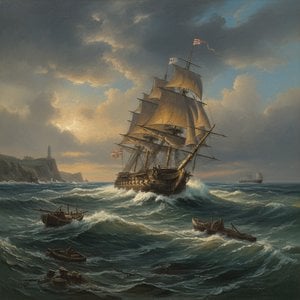
Explore the captivating world of Thomas Luny (1759–1837), a celebrated British marine artist. Discover his dramatic naval scenes, detailed ship portraits & lasting legacy. Learn about his life, influences & artworks.

Explore the life & art of John Gilbert, a prolific Victorian painter renowned for his captivating genre scenes and Venetian-inspired style. Discover his legacy with WahooArt.

Explore the life & work of Thomas Hudson, a leading 18th-century British portraitist. Discover his mastery of the 'Grand Manner,' influential style, and lasting impact on British art. Learn about his notable portraits like Judge William Noel & Alexander Van Aken.

 실제 크기로 보기
 보내기
보내기 공유하기
공유하기
 상세 보기
상세 보기 가이드 보기

 이미지 다운로드
 유사 작품 더 보기
 X-레이
X-레이 슬라이드 쇼 보기
 통계 정보
통계 정보 상세 보기
상세 보기









 유리 옵션은 110cm 미만 크기에서만 선택 가능합니다.


