
x


작품의 원본 비율을 유지하는 미리 설정된 크기 중에서 선택하세요.

특정 프레임이나 공간에 맞도록 직접 크기를 입력할 수 있습니다. 선택하신 크기가 원본 이미지의 비율과 일치하지 않는 경우, 작품을 자르거나 추가적인 손으로 그린 요소를 사용하여 그림을 확장합니다. 제작 시작 전 승인을 위해 디지털 목업을 보내드립니다.
화면 미리 보기는 실제 자르기 또는 확장을 반영하지 않습니다. 최종 구성은 목업을 통해서만 정확하게 확인하실 수 있습니다.
맞춤 크기 제작도 가능하지만, 원본 비율을 유지하기 위해 사전 정의된 목록에서 크기를 선택하시는 것을 권장합니다.

Poem
복제본 크기

Gesshū Sōko, born in Hizen Province, Japan, in 1618 and passing away in 1696, was far more than simply a calligrapher or poet. He embodied the spirit of Zen Buddhism as both a dedicated teacher within the Sōtō school and a pivotal figure in its reformation during the Edo period. His life unfolded against a backdrop of evolving religious practices and societal shifts, and he navigated these complexities with a profound commitment to his faith and artistic expression. While many artists leave behind a tangible body of work—paintings, sculptures, or architectural marvels—Sōko’s legacy is largely found in the revitalization of monastic codes and the deeply personal reflections captured within his calligraphy and poetry.
Details surrounding Sōko's early life remain somewhat elusive. However, it is known that he embarked on a rigorous path of Zen training, initially under teachers associated with the lesser-known ōbaku school—a branch of Zen originating from China. This exposure to a more strictly monastic approach would profoundly shape his later efforts within the Sōtō tradition. The ōbaku school’s emphasis on disciplined practice and direct experience likely instilled in him a desire for clarity and authenticity, qualities that permeate both his teachings and artistic endeavors. He wasn't content with merely preserving existing traditions; he sought to refine them, stripping away perceived excesses and returning to the core principles of Zen.
Sōko’s most significant contribution lay in his reformation of the Sōtō monastic codes. By the 17th century, some aspects of the Sōtō school had become diluted or overly ritualized. Recognizing this, he undertook a systematic effort to restore the original spirit of *zazen* (seated meditation) and emphasize the importance of direct personal realization. This wasn’t a revolutionary upheaval but rather a careful recalibration—a return to foundational principles. For his dedication to this cause, Sōko earned the fitting title “The Revitalizer.” He believed that true understanding arose not from intellectual study alone, but from immersive practice and unwavering self-reflection.
Central to understanding Gesshū Sōko is recognizing his calligraphy not merely as an artistic skill, but as a direct extension of his Zen practice. Each brushstroke was imbued with intention, each character a manifestation of his meditative state. His works are characterized by their simplicity and elegance—a deliberate rejection of ostentation in favor of profound clarity. He frequently employed Chinese verses alongside Japanese script, reflecting the deep historical connections between Zen Buddhism and Chinese culture. A particularly striking example is his piece titled ‘Poem,’ which showcases aged paper and gold leaf, creating a timeless work that invites contemplation on life’s impermanence and the beauty found within transience.
Beyond calligraphy, Sōko was a gifted poet whose verses offer poignant insights into the Zen worldview. His most famous poem, often referred to as his death poem, encapsulates the essence of his teachings:
Inhale, exhaleThis poem is not a lament for mortality, but rather an acceptance of it as an integral part of existence. The imagery of arrows meeting and slicing through the void speaks to the fleeting nature of life and the ultimate liberation found in surrendering to the present moment. It’s a testament to his ability to distill complex philosophical concepts into concise, evocative language. His passing of Dharma transmission to Manzan Dōhaku further solidified his legacy, ensuring the continuation of Sōtō Zen's revitalized spirit for generations to come.

1618 - 1696 , Japan

Embark on a profound journey through the soul of Chinese calligraphy. Explore the historical mastery of ink, brush, and script, from ancient Zhuanshu to elegant running script, and discover how this timeless art form reflects the enduring spirit of classical East Asian aesthetics.

Explore the profound beauty of Japanese landscape painting. From Hokusai's iconic vistas to Zen-inspired compositions, discover the spiritual depth and historical mastery of Ukiyo-e art in this expert cultural retrospective.
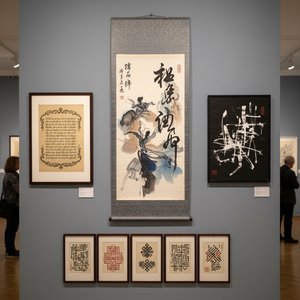
Explore the profound beauty of calligraphy art. From the fluid running script of Chinese masters to historical ink masterpieces, discover how the elegance of line transforms spaces with timeless grace and scholarly sophistication.
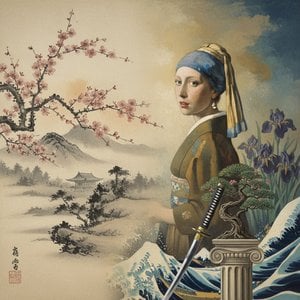
Explore the profound influence of Japanese artistry on global masterpieces. From Ukiyo-e prints to Zen aesthetics, discover how Eastern elegance transformed Western art history in this deep cultural reflection for fine art enthusiasts and collectors.

Explore the profound beauty of Japanese Ukiyo-e art. Discover the legacy of Hokusai and the Utagawa school through an expert exploration of Edo-period aesthetics, seasonal motifs, and the enduring global influence of Japan's 'Floating World' on fine art history.


최신 미술 뉴스, 특별 혜택 및 인테리어 아이디어를 가장 먼저 만나보세요.
프로젝트에 대해 알려주시면 저희 미술 전문가들이 맞춤형 아트 제안 3가지를 전달해 드립니다.
당신만을 위한 맞춤형 옵션 3가지를 무료로 추천해 드립니다!


 미리보기
미리보기
 프린트 구매
 공유하기
공유하기 공유하기
공유하기
 상세 정보
상세 정보

 다운로드
다운로드
 유사 작품
유사 작품 X-레이
X-레이 슬라이드 쇼

 더 보기
더 보기






































 유리 옵션은 110cm 미만 크기에서만 선택 가능합니다.


