무료 아트 컨설팅

x
작품 구매하기 작품 구매하기이미지 구매하기 이미지 구매하기 공유하기공유하기
상세 정보상세 정보 즐겨찾기에 추가 즐겨찾기에 추가 다운로드다운로드 유사 작품유사 작품 X-레이X-레이 슬라이드 쇼슬라이드 쇼

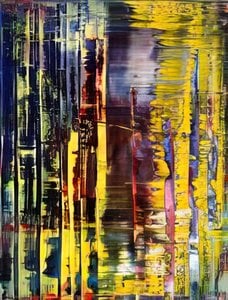
Vesuvius

Gerhard Richter’s ‘Vesuvius,’ a mesmerizing Capitalist Realism painting from 1976, evokes memory and landscape through layered color washes over a grayscale photograph of the Italian volcano. Explore this iconic artwork and its profound reflections on human experience.

경하드 리히터는 사진과 추상 표현 기법을 결합한 독특한 스타일로 현대 미술에 지대한 영향력을 행사하는 독일 화가입니다. 그의 작품은 사회주의 현실주의와 함께 다양한 색채와 질감을 사용하여 기억과 정체성을 탐구하며 예술의 한계를 확장했습니다.

지클레 / 아트 프린트

빠른 제작과 다양한 마감 옵션을 제공하는 박물관 품질의 지클레이 또는 캔버스 프린트.

P118B $10
P118H $10
P118W $10
P438Z $10
P508JH $12
P508YH $12
P805H $10
P805Z $10
P919BZ $10
P919G $10
P919XJ $10
P959ZH $10
P968JZ $12
W106C $8
W218G $10
W218JH $8
W218Y $10
W307PJ $10
W316G $10
W316PJ $8
W316Y $10
W398PJ $8
W4111J $10
W500HY $15
W500JH $15
W692G $12
W849H $8
W940BG $15
W953PJ $8

Standard
custom
CM
INCH

작품의 원본 비율을 유지하는 미리 설정된 크기 중에서 선택하세요.

가로 너비
세로 길이

특정 프레임이나 공간에 맞춰 직접 치수를 입력하실 수 있습니다. 선택하신 사이즈가 원본 이미지의 비율과 일치하지 않을 경우, 작품을 크롭(자르기)하거나 이미지를 대칭 또는 단색 채우기로 확장하여 제작합니다. 제작 시작 전, 최종 확인을 위해 디지털 목업이 전송됩니다.
화면상의 미리보기는 실제 크롭이나 확장 상태를 반영하지 않으므로, 최종 구도는 오직 목업을 통해서만 정확하게 확인하실 수 있습니다.
맞춤 사이즈 제작도 가능하지만, 원본 비율을 유지하기 위해서는 사전 정의된 목록에서 치수를 선택하시는 것을 권장합니다.

전 세계 배송()은 일반적인 4~5주의 소요 기간 대신 2주 이내에 완료됩니다. (3 7월)

why_choose_icon
전 세계 무료 특급 배송
why_choose_icon
프리미엄 린넨 캔버스
why_choose_icon
전체 배송 보험 보장
why_choose_icon
관세 환불 보장
why_choose_icon
실제 색상 일치 보장
why_choose_icon
60일 이내 반품 정책 (제조 결함 시)
why_choose_icon
100% 환불 보장
why_choose_icon
다량 구매 할인 혜택

총 합계 금액

-

reproduction

Vesuvius

지클레 / 아트 프린트

복제본 크기

-

최종 결제 금액

-

작품 정보 요약

  • Year: 1976
  • Title: Vesuvius
  • Dimensions: 73 x 105 cm
  • Subject or theme: Volcanic Landscape
  • Influences: Landscape Painting
  • Notable elements or techniques: Photorealistic layering
  • Medium: Oil on canvas

예술 상식 퀴즈

각 질문의 정답은 하나뿐입니다.

질문 1:
What artistic movement is Gerhard Richter most associated with?
질문 2:
The image depicts a landscape featuring what prominent natural element?
질문 3:
What is the airplane in the painting meant to symbolize?
질문 4:
Gerhard Richter's early life was significantly impacted by:
질문 5:
Richter’s artistic style is characterized by a blending of realism and abstraction. Which technique exemplifies this approach?

작품 상세 설명

Vesuvius – A Meditation on Landscape and Memory

Gerhard Richter’s “Vesuvius,” painted in 1976, isn't merely a depiction of the Italian volcano; it’s an exploration of how memory shapes perception. Richter, deeply influenced by his formative years under Nazi Germany—a period characterized by displacement and uncertainty—employs his signature technique of layering semi-transparent squares of color onto a photographic print to achieve a mesmerizing effect.

  • Style: Richter’s approach aligns with ‘Capitalist Realism,’ a movement he spearheaded that deliberately eschews traditional artistic conventions. Instead, it prioritizes the reproduction of photographs as an autonomous art form, questioning notions of originality and authorship.
  • Technique: The artist meticulously applies thin washes of color—often muted reds, yellows, and blues—over a grayscale image of Vesuvius. This layering process creates a hazy atmosphere, blurring the boundaries between reality and illusion. It’s as if Richter is attempting to capture not just what he sees but also how it feels – the lingering impressions of experience.
  • Historical Context: Created in the wake of the Vietnam War and amidst growing anxieties about environmental degradation, “Vesuvius” speaks to a broader cultural preoccupation with confronting the destructive forces of nature alongside acknowledging the fragility of human existence. Richter’s deliberate obfuscation mirrors the difficulty of grasping complex events and emotions fully.

The Photographic Source – A Dialogue Between Image and Reality

Richter's fascination with photography stems from a profound belief that it possesses an inherent honesty—a quality he seeks to preserve while simultaneously transforming it into something new. He argues that photographs capture moments in time with unparalleled accuracy, yet they are inherently incomplete representations of experience. By reworking these images through color washes, Richter acknowledges this limitation but elevates them beyond mere documentation.

“The photograph,” Richter famously stated, “is not a copy; it’s an interpretation.”

Color as Emotion – Capturing Atmosphere and Suggestion

The subtle hues employed in “Vesuvius” aren't intended to convey literal representations of the volcano itself. Rather, they serve as conduits for emotion—a reflection of Richter’s own contemplative gaze upon the landscape. The colors evoke a sense of melancholy and quiet contemplation, mirroring the artist’s preoccupation with memory and loss.

Symbolism Beyond Representation

While “Vesuvius” presents a visually striking panorama, its significance transcends mere visual pleasure. The volcano symbolizes both destructive power and regenerative potential—themes that resonate deeply within Richter's artistic worldview. He uses color to subtly suggest these ideas, inviting viewers to engage in an imaginative dialogue with the artwork.

유사한 작품들


작가 약력

A Life Shaped by Division: The Early Years and Artistic Formation of Gerhard Richter

Gerhard Richter’s artistic journey began amidst the turbulent backdrop of postwar Germany, a nation scarred by war and grappling with the ideological divisions of the Cold War. Born in Dresden in 1932, his formative years were profoundly impacted by the rise of Nazism and the subsequent devastation inflicted upon his hometown during World War II. This early exposure to conflict instilled within him an inherent skepticism—a questioning gaze that would become a cornerstone of his artistic worldview throughout his prolific career. His father, Wilhelm Richter, was a schoolteacher who navigated the challenges of life under Nazi rule with quiet resilience, while his mother, Gisela Richter, nurtured his intellectual curiosity through literature and music. This duality – accepting circumstance with pragmatism alongside yearning for cultural expression—served as an indelible blueprint for Richter’s own creative sensibility. Initially trained in socialist realism at Dresden Academy of Fine Arts, Richter faced the constraints imposed by East German ideology. However, even within this framework, a fervent desire for artistic freedom persisted, fueled by dissatisfaction with dogma and longing for expansive creative horizons. Recognizing the limitations of prescribed stylistic conventions, he embarked on a transformative path toward Düsseldorf in 1961—a decisive relocation that ushered in an era of radical experimentation. Düsseldorf’s vibrant art community welcomed him with open arms, providing an environment where questioning established norms and embracing chance were not merely tolerated but actively encouraged. This pivotal moment catalyzed Richter's artistic evolution, propelling him away from socialist realism toward a multifaceted stylistic exploration. His early mature work showcased a captivating interplay between photorealism and abstraction—techniques he honed relentlessly throughout his career. Photorealistic paintings meticulously reproduced photographic images with astonishing precision, prompting viewers to confront the elusive nature of visual perception. Simultaneously, Richter embraced abstract compositions characterized by bold colors and dynamic brushstrokes, utilizing squeegees – tools typically employed for window cleaning – to manipulate paint in unpredictable ways. This embrace of spontaneity reflected his core artistic philosophy—a deliberate relinquishment of control that invited unforeseen outcomes. His collaborative endeavors with Sigmar Polke further solidified this ethos, resulting in the iconic ‘Capitalist Realism’ term—a provocative label encapsulating their shared critique of commercial art and appropriation of imagery from mass media. Throughout his lifetime, Richter consistently defied easy categorization, resisting attempts to confine his artistic vision within a singular stylistic paradigm. His influence extended across generations of artists who admired his technical virtuosity and unwavering commitment to intellectual rigor. He became recognized as one of the most significant figures in contemporary art—a visionary whose groundbreaking techniques and profound engagement with historical themes continue to inspire audiences worldwide. Richter’s legacy transcends mere aesthetic achievement; it embodies a fundamental reimagining of painting itself—a testament to his enduring power as an artist and thinker.
게르하트 리히터

게르하트 리히터

1932 - , 독일

주요 정보

  • Artistic Movement Or Style: 사진현실주의 및 추상화
  • Artists Or Movements Influenced By This Artist: ['현대 화가']
  • Artists Who Influenced This Artist:
    • 파블로 피카소
    • 제인 아르프
  • Date Of Birth: 2월 9일 생
  • Full Name: Gerhard Richter
  • Nationality: 독일인
  • Notable Artworks:
    • 추상화 610-1
    • 길버트
    • S.와 아이
  • Place Of Birth: 드레스덴 독일
테마, 스타일 및 특징별로 분류된 작품들을 만나보세요.