

 Oil On CanvasWallArtAbstract Expressionism
 1968Contemporary
 80.0 x 40.0 cm
이 페이지에 표시된 작품은 저작권법의 보호를 받으며, 이에 따라 동일한 복제품을 제작하거나 판매하는 것은 법으로 금지되어 있습니다. 이러한 권리 보호는 다음과 같은 국제 협약에 따라 시행됩니다. 베른 협약 또한 다음에서 명시하는 법률을 포함한 국내법에 의해 보호됩니다. 미국 저작권법 제17조.
이 방식은 저작권 보호를 받는 예술 작품을 복제하거나 그대로 재현하는 것이 아니기에 저작권 규정을 완벽히 준수합니다. 대신, 이는 창의적인 재해석의 과정을 거칩니다. 즉, 원작에서 영감을 받되 원작과 동일하지 않은 새로운 회화 작품을 의미합니다.
빠른 제작과 다양한 마감 옵션을 선택할 수 있는 박물관 수준의 지클레이 및 캔버스 프린트. ( 수작업 채색 복제본 주문하기 디지털 이미지 판매 채널로 전환)





























작품의 원본 비율을 그대로 유지하는 프리셋 사이즈 중에서 선택해 보세요.

특정 프레임이나 공간에 맞춰 직접 치수를 입력하실 수 있습니다. 선택하신 사이즈가 원본 이미지의 비율과 일치하지 않을 경우, 작품을 크롭(자르기)하거나 이미지를 대칭 또는 단색 채우기로 확장하여 제작합니다. 제작 시작 전, 최종 확인을 위해 디지털 목업이 전송됩니다.
화면상의 미리보기는 실제 크롭이나 확장 상태를 반영하지 않으므로, 최종 구도는 오직 목업을 통해서만 정확하게 확인하실 수 있습니다.
맞춤 사이즈 제작도 가능하지만, 원본 비율을 유지하기 위해서는 사전 정의된 목록에서 치수를 선택하시는 것을 권장합니다.
Untitled
복제본 규격
In the vast, often turbulent landscape of contemporary art, few works command the room with such quiet, brooding intensity as Gerhard Richter’s Untitled (1968). This masterpiece is far more than a mere arrangement of pigment on canvas; it is a visceral distillation of experience, a visual echo of an era defined by political upheaval and profound uncertainty. Measuring a striking 80 x 40 cm, the painting presents a verticality that feels both monumental and intimate, pulling the viewer into a rhythmic, flowing composition that resembles a dark waterfall or a cascading ribbon of shadow. The palette is masterfully restrained, dominated by deep greys and somber blacks, yet it is within these subtle tonal variations that the true soul of the work resides. For the discerning collector or interior designer, this piece offers a sophisticated anchor—a way to introduce depth, gravity, and a sense of contemplative luxury into any curated space.
The power of this work lies in its masterful execution of the wet-on-wet technique, a method that allows for an astonishing fluidity. Richter does not merely paint; he orchestrates a dance of textures. Through thick, heavy impasto strokes, the artist creates a palpable surface that invites tactile engagement, where layers of oil paint overlap and bleed into one another to create a sense of perpetual motion. This spontaneous, gestural approach—reminant of the Abstract Expressionist movement—eschews precise control in favor of raw, emotional impact. The way the light catches the ridges of the dried paint creates soft shadows and highlights, ensuring that the artwork transforms as the ambient lighting of a room shifts throughout the day, making it a dynamic presence in any gallery or private residence.
To look upon this painting is to witness the visual language of a fractured world. Created in 1968, the work emerged from a Germany still grappling with the traumatic legacies of World War II and the ideological divisions of the Cold War. Richter’s upbringing in Dresden, marked by displacement and the shadows of authoritarianism, instilled in him a lifelong preoccupation with fragmentation and the questioning of reality. In this piece, the absence of recognizable imagery is a deliberate, profound choice. By stripping away the literal, Richter forces us to confront the abstract essence of feeling—the chaos, the flow, and the search for stability amidst a landscape of change.
For those seeking to decorate with intention, Untitled (1968) serves as an exquisite focal point that transcends mere decoration. It embodies a sophisticated minimalism that complements both modern architectural settings and classic, traditional interiors. Its monochromatic elegance allows it to integrate seamlessly with diverse color schemes, while its heavy texture provides the necessary "soul" to prevent a room from feeling sterile. Owning a high-quality reproduction of this work is an opportunity to possess a piece of art history—a fragment of a larger narrative about resilience, memory, and the enduring power of the human spirit to find beauty within the void.
"Untitled"의 Reflective한 감정은 그 Abstract Expressionism 양식과 함께 어우러집니다.
"Untitled"은(는) 1968년에 Oil On Canvas 기법으로 제작되었습니다. 재료와 제작 연도는 원작이 어떤 방식으로 언제 만들어졌는지를 설명합니다.
게르하트 리히터의 "Untitled"의 인기도는 Iconic 수준입니다. 이 분류는 해당 작품이 얼마나 널리 알려져 있는지를 반영합니다.
게르하트 리히터은(는) 1968년에 "Untitled"을(를) 제작했을 당시 36세였습니다. 이 나이는 작가의 출생 연도인 1932을(를) 기준으로 계산되었습니다.
"Untitled"의 작가는 게르하트 리히터입니다.
"Untitled"에 대한 안내는 작품의 가이드 페이지에서 확인하실 수 있습니다. 이 페이지는 작품의 캡션, 크레딧, 그리고 상세 정보 표(작가, 제작 연도, 재료, 원본 크기, 소장처)를 포함하여 출력 가능한 형태의 팩트시트로 제공됩니다.
게르하트 리히터의 "Untitled"은(는) 1968년에 제작되었습니다.


1932 - , 독일

추상표현주의의 심장을 뛰게 한 10대 걸작을 만나보세요. 폴록, 로스코 등 거장의 작품 비하인드 스토리와 예술적 영감을 WahooArt에서! 지금 바로 미술품 컬렉션을 탐험하고, 당신의 공간에 특별한 예술적 감성을 더하세요. WahooArt.com

Explore the profound world of Gerhard Richter's abstract paintings. Discover his techniques, influences, and lasting impact on contemporary art – a guide for discerning collectors.

Explore the captivating world of tactile abstraction! Discover impasto techniques, influential artists like Richter & Hoyland, and expert insights for collecting textured art. Elevate your space with museum-quality pieces.

Journey through Wassily Kandinsky's 25 most iconic abstract paintings. Explore his revolutionary use of color, form & spiritual expressionism. Find museum-quality Kandinsky reproductions and elevate your home decor with WahooArt.com. Discover all masterpieces on WahooArt.com!
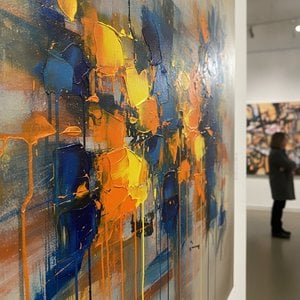
Master the high-impact world of contemporary abstraction. Discover how bold colors, textures, and modern movements like Abstract Expressionism can transform your space with premium, high-energy art curated for the design-conscious professional.

 실제 크기로 보기
 보내기
보내기 공유하기
공유하기
 상세 보기
상세 보기 가이드 보기

 이미지 다운로드
 유사 작품 더 보기
 X-레이
X-레이 슬라이드 쇼 보기
 통계 정보
통계 정보 상세 보기
상세 보기









 유리 옵션은 110cm 미만 크기에서만 선택 가능합니다.


