
x


빠른 제작과 다양한 마감 옵션을 제공하는 박물관 품질의 지클레이 또는 캔버스 프린트. ( 손으로 그린 그림 구매 이미지 구매)





























작품의 원본 비율을 유지하는 미리 설정된 크기 중에서 선택하세요.

특정 프레임이나 공간에 맞춰 직접 치수를 입력하실 수 있습니다. 선택하신 사이즈가 원본 이미지의 비율과 일치하지 않을 경우, 작품을 크롭(자르기)하거나 이미지를 대칭 또는 단색 채우기로 확장하여 제작합니다. 제작 시작 전, 최종 확인을 위해 디지털 목업이 전송됩니다.
화면상의 미리보기는 실제 크롭이나 확장 상태를 반영하지 않으므로, 최종 구도는 오직 목업을 통해서만 정확하게 확인하실 수 있습니다.
맞춤 사이즈 제작도 가능하지만, 원본 비율을 유지하기 위해서는 사전 정의된 목록에서 치수를 선택하시는 것을 권장합니다.

Stadtbild M 6
복제본 크기
In the quiet, monochromatic depths of Gerhard Richter’s “Stadtbild M 6,” one finds more than just a cityscape; one encounters a profound meditation on the elusive nature of perception. Painted in 1968, this evocative work serves as a haunting bridge between the tangible world and the fragmented landscape of human memory. The composition presents a view that feels simultaneously present and receding, where the distant silhouettes of buildings dissolve into a hazy, atmospheric mist. In the foreground, the unexpected presence of chairs anchors the viewer, creating a poignant tension between the permanence of objects and the ephemeral quality of the urban horizon. It is a piece that does not merely show a place, but rather captures the feeling of looking back through the fog of time.
The stylistic language of “Stadtbild M 6” is a masterful dialogue between the soft edges of Impressionism and the raw, visceral energy of Abstract Expressionism. Richter eschews the clinical precision of photographic realism in favor of a loose, gestural approach that prioritizes emotional resonance over meticulous detail. The cityscape is fragmented into distinct zones, where shapes are simplified and lines are rendered as rhythmic, painterly marks. This deliberate lack of sharp definition invites the observer to participate in the creation of the image, filling the voids with their own interpretations of light and shadow. For the discerning collector or interior designer, this ambiguity offers a sophisticated layer of depth, allowing the artwork to evolve and breathe within different lighting conditions and architectural settings.
Technically, the work is a triumph of texture and tonal control. Operating within a restrained palette of grayscale, white, and black, Richter utilizes a monochromatic framework to amplify a sense of melancholic stillness. The application of paint is far from passive; thick, visible brushstrokes dance across the canvas, creating a tactile surface that demands physical engagement. This ruggedness serves as a rejection of polished, superficial beauty, instead celebrating the materiality of the medium itself. Each stroke carries the weight of the artist's hand, imbuing the canvas with a rhythmic vitality that prevents the muted colors from ever feeling static or lifeless.
Beyond its aesthetic merits, the historical context of 1968 adds a layer of profound symbolic gravity to the piece. Emerging from the turbulent atmosphere of post-war Germany—a period defined by social upheaval and the lingering shadows of division—the painting reflects a broader cultural anxiety regarding stability and truth. The blurred boundaries within the work can be seen as a metaphor for the uncertainty of an era in flux. To possess a reproduction of “Stadtbild M 6” is to bring into one's space a piece of history that speaks to the resilience of the human spirit amidst chaos, offering a timeless elegance that transcends its era and provides a focal point of contemplative strength.


1932 - , 독일

Immerse yourself in the luminous world of Laurent Fabre. Explore 25 iconic Neo-Abstract masterpieces defined by geometric precision and chromatic harmony. Find inspiration for your space with museum-quality art reproductions. Discover all masterpieces on WahooArt.com.
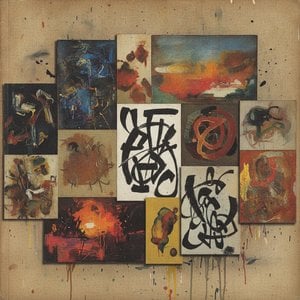
Journey through the raw emotion of Abstract Expressionism. From Pollock's drips to Rothko's color fields, explore 10 iconic masterpieces and their stories. Find museum-quality art reproductions for your space at WahooArt.com. Discover all masterpieces on WahooArt.com.


최신 미술 뉴스, 특별 혜택 및 인테리어 아이디어를 가장 먼저 만나보세요.
프로젝트에 대해 알려주시면 저희 미술 전문가들이 맞춤형 아트 제안 3가지를 전달해 드립니다.
당신만을 위한 맞춤형 옵션 3가지를 무료로 추천해 드립니다!


 미리보기
미리보기
 공유하기
공유하기 공유하기
공유하기
 상세 정보
상세 정보

 다운로드
다운로드
 유사 작품
유사 작품 X-레이
X-레이 슬라이드 쇼

 더 보기
더 보기









 유리 옵션은 110cm 미만 크기에서만 선택 가능합니다.


