

이 페이지에 표시된 작품은 저작권법의 보호를 받으며, 이에 따라 동일한 복제품을 제작하거나 판매하는 것은 법으로 금지되어 있습니다. 이러한 권리 보호는 다음과 같은 국제 협약에 따라 시행됩니다. 베른 협약 또한 다음에서 명시하는 법률을 포함한 국내법에 의해 보호됩니다. 미국 저작권법 제17조.
저희는 존중을 담은 합법적인 대안으로서, 원작에서 영감을 받은 맞춤형 수제 유화 작품을 제공합니다. 저희의 숙련된 전문 화가들은 원작의 스타일, 분위기, 예술적 정수를 면밀히 연구하여, 그 자체로 독창적인 창작물이면서도 원작과 동일한 감동을 불러일으키는 새로운 작품을 만들어냅니다.
이 방식은 저작권 보호를 받는 예술 작품을 복제하거나 그대로 재현하는 것이 아니기에 저작권 규정을 완벽히 준수합니다. 대신, 이는 창의적인 재해석의 과정을 거칩니다. 즉, 원작에서 영감을 받되 원작과 동일하지 않은 새로운 회화 작품을 의미합니다.
작가가 직접 캔버스에 손으로 그린 유화 작품으로, 원하는 크기와 액자로 맞춤 제작해 드립니다. ( 프린트 판매로 전환 디지털 이미지 판매 채널로 전환)





























작품의 원본 비율을 그대로 유지하는 프리셋 사이즈 중에서 선택해 보세요.

액자나 벽면 크기에 맞춰 필요한 가로와 세로 길이를 입력해 주세요. 본 작품은 수작업으로 제작되므로, 요청하신 비율에 따라 작가가 그림의 가장자리를 조금 더 넓게 그리거나 일부를 조정하여 작업할 수 있습니다. 작업 시작 전, 최종 확인을 위해 디지털 목업 이미지를 보내드립니다. 이 페이지에 표시된 이미지는 실제 결과물과 다를 수 있으며, 오직 목업 이미지만이 정확한 결과물을 보여줍니다.
Dark
복제본 규격
Gerhard Richter's "Dark," painted in 1968, is not merely an abstract composition; it’s a carefully constructed meditation on memory, displacement, and the very nature of perception. This close-up view reveals a canvas saturated with vibrant hues – bold reds and oranges battling against cooler blues – all rendered through Richter's signature technique of layered brushstrokes and subtly blurred surfaces. The painting immediately evokes a sense of unease, a feeling amplified by the deliberate ambiguity at its core. It’s a work born from a specific historical moment: Germany in the turbulent years following World War II, a nation grappling with the aftermath of unimaginable destruction and profound moral questions.
Richter’s personal history profoundly informs “Dark.” Born in Dresden in 1932, he experienced firsthand the instability and trauma of a nation divided. His childhood was shaped by displacement – his family repeatedly relocated during the war – an experience that instilled within him a deep-seated sense of disorientation. This biographical context is crucial to understanding the painting’s emotional resonance. The intense colors, particularly the reds and oranges, can be interpreted as echoes of the fires and destruction that ravaged Germany during the conflict, while the blues represent a yearning for peace and stability – a desire perhaps never fully realized.
The blurred areas within the composition are not accidental; they actively disrupt our ability to grasp a definitive image. This technique subtly suggests the fallibility of memory, the way in which experiences can be distorted or obscured over time. Richter masterfully utilizes this ambiguity to invite viewers into a dialogue with the work, prompting them to confront their own interpretations and emotional responses.
"Dark" resists easy categorization or definitive interpretation. The title itself suggests a preoccupation with shadow – not just literal darkness, but also the hidden aspects of human experience. The painting’s power lies in its ability to evoke a profound sense of melancholy and introspection. It's a work that demands attention, inviting viewers to contemplate themes of loss, uncertainty, and the enduring impact of historical trauma.
Gerhard Richter’s “Dark” is a testament to his extraordinary skill as an artist and his profound understanding of human psychology. This painting, created in 1968, remains a powerful example of abstract expressionism's ability to convey complex emotions and ideas through the manipulation of color, texture, and form. A hand-painted reproduction offers a unique opportunity to experience this captivating artwork firsthand, bringing Richter’s vision into your space and inviting contemplation for years to come.
게르하트 리히터의 "Dark"과(와) 관련된 미술 사조는 Abstract Expressionism입니다. 이러한 분류를 통해 해당 작품을 관련 작가 및 예술 작품들과 함께 파악할 수 있습니다.
1968년에 제작된 "Dark"은 게르하트 리히터의 예술적 발전 과정 중 Mature Period에 해당합니다.
게르하트 리히터의 "Dark"의 디지털 이미지는 다음의 디지털 이미지 페이지에서 구매하실 수 있습니다: 고해상도 디지털 이미지 다운로드.

1932 - , 독일

Journey through Wassily Kandinsky's 25 most iconic abstract paintings. Explore his revolutionary use of color, form & spiritual expressionism. Find museum-quality Kandinsky reproductions and elevate your home decor with WahooArt.com. Discover all masterpieces on WahooArt.com!

마크 로스코 최고작 25선을 만나보세요. 추상 표현주의 거장의 색채로 표현된 심오한 감정과 예술의 세계를 탐험하고, WahooArt에서 명화 복제본과 특별한 인테리어 아이디어를 찾아보세요. 지금 바로 컬렉션을 확인하세요!

몬드리안, 말레비치 등 거장들의 기하학적 추상 미술 명작 10선을 만나보세요. 각 작품의 예술사적 의미와 색채, 구성을 탐구하고 WahooArt.com에서 고품질 아트 프린트를 소장하세요. 지금 바로 온라인 컬렉션을 확인하세요!

추상표현주의의 심장을 뛰게 한 10대 걸작을 만나보세요. 폴록, 로스코 등 거장의 작품 비하인드 스토리와 예술적 영감을 WahooArt에서! 지금 바로 미술품 컬렉션을 탐험하고, 당신의 공간에 특별한 예술적 감성을 더하세요. WahooArt.com
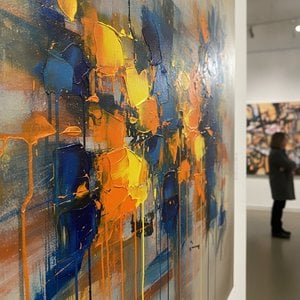
Master the high-impact world of contemporary abstraction. Discover how bold colors, textures, and modern movements like Abstract Expressionism can transform your space with premium, high-energy art curated for the design-conscious professional.

 실제 크기로 보기
 보내기
보내기 공유하기
공유하기
 상세 보기
상세 보기 가이드 보기

 이미지 다운로드
 유사 작품 더 보기
 X-레이
X-레이 슬라이드 쇼 보기
 통계 정보
통계 정보

 상세 보기
상세 보기









 유리 옵션은 110cm 미만 크기에서만 선택 가능합니다.


