빠른 제작과 다양한 마감 옵션을 선택할 수 있는 박물관 수준의 지클레이 및 캔버스 프린트. ( 수작업 채색 복제본 주문하기 디지털 이미지 판매 채널로 전환)





























작품의 원본 비율을 그대로 유지하는 프리셋 사이즈 중에서 선택해 보세요.

액자나 벽면 크기에 맞춰 필요한 가로와 세로 길이를 입력해 주세요. 프린트는 원본 이미지보다 크게 제작할 수 없으며 오직 자르는 것만 가능하므로, 비율이 다른 사이즈를 선택할 경우 이미지의 일부가 잘려 나갈 수 있습니다. 인쇄 작업에 들어가기 전, 최종 확인을 위해 디지털 목업을 보내드립니다. 이 페이지에 표시된 이미지는 실제 잘리는 영역을 나타내지 않으며, 오직 목업을 통해서만 정확한 확인이 가능합니다.
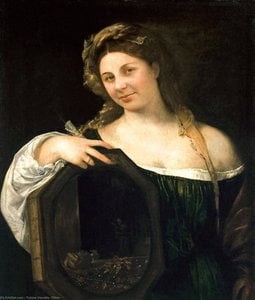
Lute Player
복제본 규격
Gerard van Honthorst’s “Lute Player,” a captivating portrait dating from the mid-17th century, offers a glimpse into the opulent world of Dutch Golden Age society. The painting immediately draws the eye to its subject – a woman presented with an arresting blend of elegance and vulnerability. Dressed in a vibrant yellow gown meticulously trimmed with deep blue, she embodies the fashionable sensibilities of her era while simultaneously radiating a quiet introspection. The composition itself is carefully constructed; the lute held delicately in her hand becomes not merely an instrument but a focal point, drawing attention to her gesture and suggesting a moment of private contemplation or perhaps even performance.
Honthorst’s artistic journey was profoundly shaped by his time in Rome, where he encountered the revolutionary work of Caravaggio. This encounter ignited within him a passion for *tenebrism*, a technique characterized by dramatic contrasts between intensely dark shadows and pools of brilliant light. In “Lute Player,” this is evident in the way light dramatically illuminates the woman’s face and gown, creating a sense of theatrical depth and emphasizing her features. The darkness surrounding her isn't merely an absence of light; it actively contributes to the painting’s emotional weight, suggesting hidden depths within the subject’s character. This masterful manipulation of light and shadow is what earned Honthorst his nickname, “Gherardo delle Notti,” or Gerard of the Nights – a testament to his ability to conjure atmosphere and drama with such profound skill.
The setting within the painting provides valuable context for understanding its place in 17th-century Dutch life. The presence of a chair and dining table hints at an aristocratic or wealthy household, suggesting that the subject is likely a member of the upper class. A book resting near her adds another layer of meaning – perhaps representing education, refinement, or even musical knowledge. The inclusion of two other figures, partially visible in the background, subtly expands the narrative, inviting the viewer to imagine the social dynamics and relationships within this domestic scene. These details are not merely decorative; they contribute significantly to the painting’s overall story.
"Lute Player" transcends a simple portrait; it's an exploration of human emotion and psychological depth, a hallmark of Honthorst’s style. The woman’s gentle smile, combined with the dramatic lighting and carefully considered composition, evokes a sense of quiet beauty and perhaps even melancholy. Gerard van Honthorst’s work continues to resonate today because it captures not just a likeness but an essence – a moment frozen in time that speaks to universal themes of grace, contemplation, and the power of artistic expression. WahooArt.com is proud to offer meticulously crafted reproductions of this remarkable piece, allowing you to experience its beauty and historical significance firsthand.
"Lute Player"은 작가의 탄생지를 통해 Dutch Baroque 사조와 Netherlands를 연결합니다.
헤라르트 판 혼토르스트의 "Lute Player"의 Dark 색조는 추천 공간인 Living Room과 완벽하게 어우러집니다.
헤라르트 판 혼토르스트의 "Lute Player"은(는) Romantic한 분위기 속에서 lute player, portrait woman, dutch masterpiece, van honthorst art, baroque lighting, yellow dress”, “caravaggio influence”을(를) 묘사합니다. 작품의 주제와 분위기가 어우러져 하나의 완성된 세계를 보여줍니다.


1590 - 1656

Explore the dramatic mastery of the Dutch Baroque era. Discover how masters like Rembrandt used chiaroscuro to manipulate light and shadow, creating profound emotional depth and timeless beauty in art history's most captivating masterpieces.

 실제 크기로 보기
 보내기
보내기 공유하기
공유하기
 상세 보기
상세 보기 가이드 보기

 이미지 다운로드
 유사 작품 더 보기
 X-레이
X-레이 슬라이드 쇼 보기
 통계 정보
통계 정보
 상세 보기
상세 보기









 유리 옵션은 110cm 미만 크기에서만 선택 가능합니다.