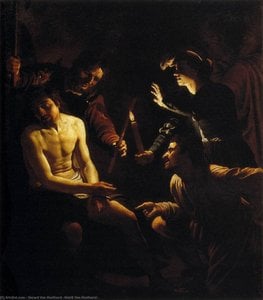
Oil On CanvasWallArtBaroque
 1622
1622 192.0 x 222.0 cm
빠른 제작과 다양한 마감 옵션을 제공하는 박물관 품질의 지클레이 또는 캔버스 프린트. ( 손으로 그린 그림 구매 디지털 이미지로 전환)





























작품의 원본 비율을 유지하는 미리 설정된 크기 중에서 선택하세요.

특정 프레임이나 공간에 맞춰 직접 치수를 입력하실 수 있습니다. 선택하신 사이즈가 원본 이미지의 비율과 일치하지 않을 경우, 작품을 크롭(자르기)하거나 이미지를 대칭 또는 단색 채우기로 확장하여 제작합니다. 제작 시작 전, 최종 확인을 위해 디지털 목업이 전송됩니다.
화면상의 미리보기는 실제 크롭이나 확장 상태를 반영하지 않으므로, 최종 구도는 오직 목업을 통해서만 정확하게 확인하실 수 있습니다.
맞춤 사이즈 제작도 가능하지만, 원본 비율을 유지하기 위해서는 사전 정의된 목록에서 치수를 선택하시는 것을 권장합니다.

Christ Crowned with Thorns, Gerard van Honthorst, c. 1622
복제본 크기
Johannes Vermeer’s “The Astronomer,” completed around 1668, transcends mere portraiture; it's a masterful distillation of Baroque aesthetics and intellectual curiosity. Painted during the Dutch Golden Age, this captivating artwork captures a moment frozen in time – a scholar engrossed in observing the celestial heavens through a meticulously crafted brass telescope.
Vermeer's genius lies in his ability to create an illusion of depth within a relatively confined space. The painting employs a pyramidal composition, anchoring the gaze on the astronomer’s head and subtly guiding it downwards towards the telescope and its surroundings. Light plays a crucial role, emanating from a window positioned high on the left wall, illuminating the astronomer's face and casting dramatic shadows across the room.
Vermeer’s technique is characterized by meticulous layering of thin glazes – a hallmark of Baroque painting – allowing for unparalleled luminosity and tonal subtlety. He skillfully captures the textures of fabric (the astronomer’s robe), brass, and wood, demonstrating an astonishing level of realism. Vermeer's masterful use of chiaroscuro enhances the drama and emphasizes the contemplative mood of the scene.
“The Astronomer” reflects the burgeoning interest in scientific observation during the seventeenth century. The telescope, a relatively new invention at the time, represented a significant advancement in understanding the cosmos. Vermeer’s depiction wasn't merely aesthetically pleasing; it served as a commentary on the intellectual pursuits of his era.
However, Vermeer skillfully avoids didacticism, prioritizing artistic beauty over explicit instruction. The astronomer’s gaze is directed outwards, symbolizing contemplation and wonder—a reflection of the humanist values prevalent in Dutch society during this period.
The prominent window and its radiant light symbolize enlightenment and divine illumination – concepts central to Baroque spirituality. The telescope itself represents intellectual curiosity and the pursuit of knowledge. Furthermore, the astronomer’s posture conveys a sense of introspection and inner reflection, inviting viewers to contemplate their own place in relation to the universe.
The muted colors—primarily browns, golds, and reds—contribute to the painting's solemn atmosphere. Vermeer’s careful attention to detail underscores the importance of observation and contemplation – themes that resonate powerfully with audiences today.
"The Astronomer" evokes a profound sense of tranquility and intellectual engagement. It invites viewers to pause and consider the beauty of simplicity, mirroring Vermeer’s own artistic philosophy. The painting's enduring appeal lies in its ability to capture a fleeting moment of contemplative serenity—a testament to Vermeer’s unparalleled skill as an artist and his contribution to the legacy of Baroque art.


1590 - 1656
Journey into the world of Early Netherlandish painting! Explore 10 masterpieces by Jan van Eyck, Rogier van der Weyden & more. Discover stunning detail, symbolism & Renaissance art for your home decor. Find museum-quality reproductions on WahooArt.com
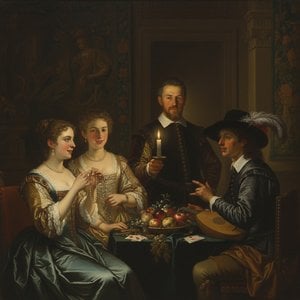
Explore the captivating world of Gerard van Honthorst, a Dutch Golden Age master renowned for his dramatic chiaroscuro & courtly portraits. Discover his life, art, and lasting influence on Baroque painting.

Explore the dramatic world of Baroque art! Discover iconic artists like Caravaggio & Rubens, defining techniques, and its lasting impact on art history. Expert insights for collectors & enthusiasts at WahooArt.

Journey through the Golden Age with our guide to the Top 10 Dutch Baroque masterpieces! Explore iconic paintings by Rembrandt, Vermeer & Frans Hals. Find museum-quality art reproductions and elevate your home decor at WahooArt.com.

렘브란트 반 레인 명작 25선을 만나보세요. 빛과 그림자의 거장이 그린 역사화, 초상화 속 예술의 정수를 감상하고, 네덜란드 황금시대 바로크 미술의 깊이를 느껴보세요. WahooArt.com에서 고품질 복제화를 컬렉션하세요.


 미리보기
미리보기
 공유하기
공유하기 공유하기
공유하기
 상세 정보
상세 정보 가이드 보기

 다운로드
다운로드
 유사 작품
유사 작품 X-레이
X-레이 슬라이드 쇼
 통계 정보
통계 정보 더 보기
더 보기









 유리 옵션은 110cm 미만 크기에서만 선택 가능합니다.