Oil On CanvasWallArtDutch Baroque Painting
 1665
1665 29.0 x 24.0 cm
 에르미타주 박물관
원하는 크기와 액자로 주문 제작되는, 작가들이 직접 캔버스에 손으로 그린 유화 작품입니다. ( 프린트 판매로 전환 디지털 이미지로 전환)





























작품의 원본 비율을 유지하는 미리 설정된 크기 중에서 선택하세요.

특정 프레임이나 공간에 맞도록 직접 크기를 입력할 수 있습니다. 선택하신 크기가 원본 이미지의 비율과 일치하지 않는 경우, 작품을 자르거나 추가적인 손으로 그린 요소를 사용하여 그림을 확장합니다. 제작 시작 전 승인을 위해 디지털 목업을 보내드립니다.
화면 미리 보기는 실제 자르기 또는 확장을 반영하지 않습니다. 최종 구성은 목업을 통해서만 정확하게 확인하실 수 있습니다.
맞춤 크기 제작도 가능하지만, 원본 비율을 유지하기 위해 사전 정의된 목록에서 크기를 선택하시는 것을 권장합니다.

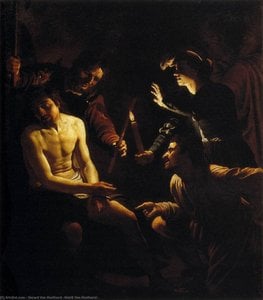
The Violinist
복제본 크기
Gerard ter Borch’s “The Violinist,” painted circa 1665, stands as a quintessential example of Dutch genre painting during its golden age—a period characterized by meticulous observation of everyday life and an unparalleled mastery of light and texture. More than just a portrait, it's a carefully crafted tableau that invites contemplation on human emotion and artistic skill.
Captured in the Baroque style, Terborch’s technique is remarkable for its realism. He eschewed grand theatrical gestures, opting instead for a quiet scene focused on a single figure—a man seated at a table with two cups and bowls—engaged in playing the violin. The artist's meticulous attention to detail is evident in every brushstroke; observe how light dances across the varnished surface of the violin, illuminating its contours and creating an illusion of depth that transcends mere representation.
The painting emerged during a time when Dutch society was grappling with intellectual currents influenced by the Enlightenment. Terborch’s work reflects this shift towards rationalism while simultaneously retaining elements of traditional artistic conventions. Unlike earlier portraits that prioritized status and lineage, “The Violinist” delves into psychological nuance—the violinist's gaze is direct, conveying both concentration and perhaps a hint of melancholy. This focus on inner experience aligns with the broader humanist spirit of the era.
Music held profound significance in seventeenth-century Dutch culture, symbolizing intellect, refinement, and spiritual contemplation. The violin itself serves as a potent emblem—a tool for artistic expression and a conduit to emotion. Its placement on the table alongside simple objects like cups and bowls underscores Terborch’s intention to portray not just an individual but also his inner world. The careful arrangement contributes to the overall sense of serenity and understated beauty.
Terborch's genius lies in his ability to convey fleeting emotions with remarkable precision. “The Violinist” isn’t about grand pronouncements; it’s about capturing a single, contemplative moment—a man absorbed in his craft. The artist skillfully utilizes chiaroscuro—the dramatic interplay of light and shadow—to heighten the emotional resonance of the scene. This technique draws viewers into the violinist's inner life, prompting reflection on themes of solitude, passion, and artistic devotion.


1617 - 1681 , 네덜란드

Explore the dramatic mastery of Dutch Baroque art. Discover how chiaroscuro and light define the Golden Age, from Rembrandt's shadows to maritime grandeur. Perfect for classic art enthusiasts seeking deep historical insight and inspiration.

Embark on a sophisticated journey through the Dutch Golden Age. Unveil the dramatic brilliance of Rembrandt’s chiaroscuro and the expressive landscapes of 17th-century masters in this authoritative exploration of light, shadow, and enduring artistic legacy.


 미리보기
미리보기
 공유하기
공유하기 공유하기
공유하기
 상세 정보
상세 정보

 다운로드
다운로드
 유사 작품
유사 작품 X-레이
X-레이 슬라이드 쇼
 통계 정보
통계 정보 더 보기
더 보기









 유리 옵션은 110cm 미만 크기에서만 선택 가능합니다.