
빠른 제작과 다양한 마감 옵션을 제공하는 박물관 품질의 지클레이 또는 캔버스 프린트. ( 손으로 그린 그림 구매 디지털 이미지로 전환)





























작품의 원본 비율을 유지하는 미리 설정된 크기 중에서 선택하세요.

특정 프레임이나 공간에 맞춰 직접 치수를 입력하실 수 있습니다. 선택하신 사이즈가 원본 이미지의 비율과 일치하지 않을 경우, 작품을 크롭(자르기)하거나 이미지를 대칭 또는 단색 채우기로 확장하여 제작합니다. 제작 시작 전, 최종 확인을 위해 디지털 목업이 전송됩니다.
화면상의 미리보기는 실제 크롭이나 확장 상태를 반영하지 않으므로, 최종 구도는 오직 목업을 통해서만 정확하게 확인하실 수 있습니다.
맞춤 사이즈 제작도 가능하지만, 원본 비율을 유지하기 위해서는 사전 정의된 목록에서 치수를 선택하시는 것을 권장합니다.

LES NOCES DE CANA
복제본 크기
In the quiet, luminous world of Gerard David, moments of profound spiritual significance are rendered with an almost breathless clarity. “Les Noces de Cana,” painted at the dawn of the sixteenth century, serves as a breathtaking window into the miraculous wedding feast described in the Gospel of John. This is not merely a depiction of a biblical event; it is a masterclass in the Early Netherlandish tradition, where every fold of fabric and every glint of light carries the weight of divine grace. As Jesus performs his first miracle—transforming water into wine—the viewer is invited to witness more than just a physical change, but a spiritual awakening that resonates through the centuries.
The composition unfolds with a sense of monumental stability, characteristic of the Northern Renaissance. David utilizes a horizontal format that anchors the bustling crowd within a grand architectural setting. While the scene is filled with figures engaged in various stages of celebration and contemplation, the artist masterfully directs our gaze toward the central gathering around the table. Here, the tension between the earthly festivities and the divine intervention creates a captivating narrative pull. The architecture, with its structured columns and windows, provides a rhythmic frame that contains the exuberant energy of the wedding guests, lending the entire scene an air of solemnity and timelessness.
To behold this masterpiece is to appreciate the technical virtuosity of a painter who perfected the art of glazing. Following in the footsteps of legends like Jan van Eyck, David employed thin, translucent layers of oil paint to build a depth of color that seems to glow from within. This technique allows light to penetrate the surface and reflect back, creating a luminous effect that mimics the natural radiance of skin, the heavy sheen of fine textiles, and the cold solidity of stone. The texture of the painting is remarkably tactile; one can almost feel the weight of the velvet drapery and the smoothness of the ceramic vessels holding the newly transformed wine.
The color palette is a sophisticated balance of earthy warmth and celestial accents. Muted tones of ochre, cream, and deep brown form the foundation of the scene, providing a grounded, realistic atmosphere. However, these are punctuated by brilliant flashes of red, blue, and gold. The golden halos surrounding the holy figures act as subtle beacons of light, distinguishing the sacred from the profane without breaking the painting's overall sense of atmospheric serenity. This careful manipulation of color ensures that the artwork remains both visually stimulating for the modern eye and deeply respectful of its original devotional purpose.
For the art lover or interior designer, “Les Noces de Cana” offers much more than historical interest; it provides a profound emotional resonance. The painting captures a spectrum of human experience—from the joy of celebration to the quiet reverence of faith. Its ability to evoke a sense of peace and wonder makes it an extraordinary centerpiece for any curated collection. Whether placed in a grand hall or a private study, a high-quality reproduction of this work brings with it the prestige of the Flemish masters and a sense of historical continuity.
Investing in a piece of this caliber is an invitation to surround oneself with the beauty of the Northern Renaissance. The meticulous detail and the soft, dream-like atmosphere characteristic of David’s style offer a sophisticated aesthetic that complements both classical and contemporary interiors. It is a work that demands slow observation, rewarding the viewer with new discoveries of light, shadow, and symbolism every time it is encountered, making it a truly timeless addition to any refined space.

1450 - 1523 , 네덜란드
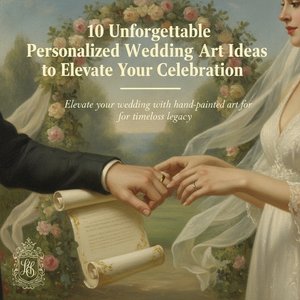
웨딩 플래너를 위한 프리미엄 가이드: 결혼식을 단순한 행사를 넘어 하나의 예술 작품으로 승화시키는 10가지 커스텀 아트 아이디어를 제안합니다. 맞춤형 초상화부터 공간을 채우는 벽화까지, 하객들에게 깊은 영감을 주고 신랑 신부의 소중한 순간을 영원한 걸작으로 기록하는 독창적인 예술적 전략을 확인해 보세요.


 미리보기
미리보기
 공유하기
공유하기 공유하기
공유하기
 상세 정보
상세 정보 가이드 보기

 다운로드
다운로드
 유사 작품
유사 작품 X-레이
X-레이 슬라이드 쇼
 통계 정보
통계 정보


 더 보기
더 보기









 유리 옵션은 110cm 미만 크기에서만 선택 가능합니다.


