

이 페이지에 표시된 작품은 저작권법의 보호를 받으며, 이에 따라 동일한 복제품을 제작하거나 판매하는 것은 법으로 금지되어 있습니다. 이러한 권리 보호는 다음과 같은 국제 협약에 따라 시행됩니다. 베른 협약 또한 다음에서 명시하는 법률을 포함한 국내법에 의해 보호됩니다. 미국 저작권법 제17조.
저희는 존중을 담은 합법적인 대안으로서, 원작에서 영감을 받은 맞춤형 수제 유화 작품을 제공합니다. 저희의 숙련된 전문 화가들은 원작의 스타일, 분위기, 예술적 정수를 면밀히 연구하여, 그 자체로 독창적인 창작물이면서도 원작과 동일한 감동을 불러일으키는 새로운 작품을 만들어냅니다.
이 방식은 저작권 보호를 받는 예술 작품을 복제하거나 그대로 재현하는 것이 아니기에 저작권 규정을 완벽히 준수합니다. 대신, 이는 창의적인 재해석의 과정을 거칩니다. 즉, 원작에서 영감을 받되 원작과 동일하지 않은 새로운 회화 작품을 의미합니다.
작가가 직접 캔버스에 손으로 그린 유화 작품으로, 원하는 크기와 액자로 맞춤 제작해 드립니다. ( 프린트 판매로 전환 디지털 이미지 판매 채널로 전환)





























작품의 원본 비율을 그대로 유지하는 프리셋 사이즈 중에서 선택해 보세요.

액자나 벽면 크기에 맞춰 필요한 가로와 세로 길이를 입력해 주세요. 본 작품은 수작업으로 제작되므로, 요청하신 비율에 따라 작가가 그림의 가장자리를 조금 더 넓게 그리거나 일부를 조정하여 작업할 수 있습니다. 작업 시작 전, 최종 확인을 위해 디지털 목업 이미지를 보내드립니다. 이 페이지에 표시된 이미지는 실제 결과물과 다를 수 있으며, 오직 목업 이미지만이 정확한 결과물을 보여줍니다.
Tragical landscape
복제본 규격
Georges Rouault’s “Tragical Landscape” is not merely a depiction of a scene; it's an immersion in profound sorrow and contemplation, a testament to the artist’s deeply rooted empathy for human suffering. Painted around 1936, this work exemplifies Rouault’s distinctive style – a potent blend of Fauvist color theory and Expressionist emotional intensity – offering a glimpse into the soul of a man wrestling with weighty themes. The painting immediately commands attention through its bold, almost jarring, palette: dark, brooding backgrounds punctuated by flashes of red, suggesting both danger and perhaps a desperate yearning for light or redemption. This deliberate contrast is characteristic of Rouault’s approach, designed to evoke a visceral response in the viewer rather than simply offering a realistic representation.
At its heart, the painting centers on a solitary figure – a man wearing a white hat or head covering – positioned within this turbulent landscape. The figure's downturned mouth and thoughtful gaze speak volumes of quiet despair, a sense of isolation amplified by the vastness and darkness surrounding them. Rouault’s masterful use of loose brushstrokes contributes significantly to the painting’s emotional impact; they aren’t meticulously rendered details but rather expressive marks that convey movement, feeling, and an underlying current of unease. The ambiguity of the landscape itself – a metaphorical “tragical landscape” rather than a literal one – adds another layer of interpretation. It could represent the internal turmoil of the individual, or perhaps a broader commentary on human vulnerability and loss.
Understanding Georges Rouault’s artistic process is key to appreciating “Tragical Landscape.” His early apprenticeship as a glass painter profoundly shaped his style. As detailed in numerous sources, including the Metropolitan Museum of Art's collection notes, this experience instilled within him a fascination with luminous color contained within dark outlines – a technique reminiscent of stained glass. This influence manifests powerfully here; the heavy black contours framing the vibrant color fields create a dramatic tension, drawing the eye to the central figure while simultaneously emphasizing the surrounding darkness. It’s a deliberate strategy that echoes medieval artistry and adds a layer of spiritual depth to the work.
The use of red, particularly in the upper left corner, is not accidental. Rouault frequently employed this color to represent passion, sacrifice, or even blood – potent symbols within his deeply Catholic worldview. The subtle reflection hinted at by the red could be interpreted as a glimmer of hope amidst the gloom, or perhaps simply the harsh glare of an unforgiving light.
"Tragical Landscape" was created during a period of significant artistic experimentation in France. Rouault’s work aligns with both Fauvism – known for its unrestrained use of color – and Expressionism, which prioritized emotional expression over objective representation. While he initially embraced the boldness of the Fauves, his later works demonstrate a more profound engagement with the psychological intensity championed by Expressionists like Van Gogh. As documented in Wikipedia, Rouault’s childhood experiences, including witnessing the bombardment of Paris during the Commune, undoubtedly informed his artistic vision and fueled his empathy for the marginalized.
The painting's creation coincided with Rouault's deepening spiritual convictions, further enriching its symbolic resonance. His exploration of themes related to suffering, faith, and human nature cemented his legacy as one of the 20th century’s most poignant and emotionally resonant artists. The Robert Lehman Collection acquisition in 1975 ensures this powerful work continues to captivate audiences today.
"Tragical Landscape" is more than just a beautiful painting; it's an invitation to contemplate the complexities of human emotion and experience. Rouault’s masterful use of color, composition, and brushwork creates a truly immersive work that resonates with viewers on a deeply personal level. Whether you are an art collector seeking a significant piece of 20th-century history or an interior designer looking for a statement artwork to evoke contemplation and emotion, this painting offers a unique opportunity to own a piece of artistic genius.
조르주 루오의 "Tragical landscape"의 색채는 Muted의 채도와 Monochromatic의 강도를 보여줍니다.
Large 크기, Portrait 방향: 이는 조르주 루오의 "Tragical landscape" 작품에 권장되는 인쇄 설정입니다.
조르주 루오의 "Tragical landscape"의 인기도는 Recognized 수준입니다. 이 분류는 해당 작품이 얼마나 널리 알려져 있는지를 반영합니다.


1871 - 1958 , 프랑스
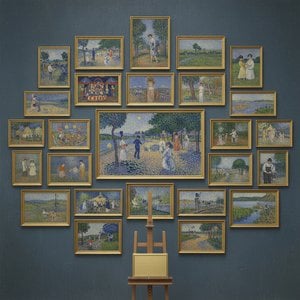
조르주 쇠라의 대표작 25선을 만나보세요. 점묘법의 혁신과 빛, 색채의 아름다움이 담긴 명작들을 감상하고, 인테리어에 예술적인 영감을 더하세요. WahooArt.com에서 고품질 미술 작품을 컬렉션해보세요.
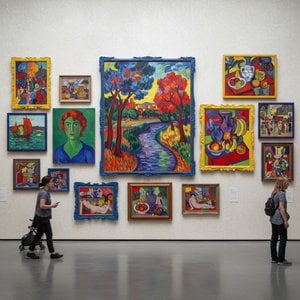
fauve 미술의 심장을 뛰게 하는 10대 걸작! 모리스 드니, 마티스 등 거장의 강렬한 색채와 혁신적인 표현을 만나보세요. 예술 작품 감상부터 인테리어 디자인 영감까지, WahooArt.com에서 명품 아트 프린트를 찾아보세요.

Experience art's raw power! Explore 10 iconic paintings – Van Gogh, Kahlo & more – that define 'bold'. Discover the stories behind these expressive masterpieces and find museum-quality reproductions for your home at WahooArt.com.
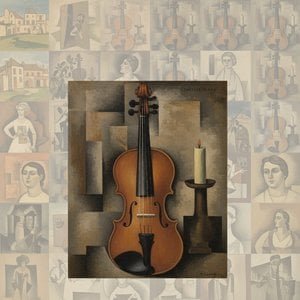
조르주 브라크의 시대를 초월한 25개의 걸작을 만나보세요. 입체주의를 개척한 프랑스 화가의 예술 세계와 숨겨진 이야기를 WahooArt에서 감상하고, 명작 유화 복제본으로 공간에 특별함을 더하세요. 지금 바로 컬렉션을 탐험하세요!

낭만주의 시대, 예술혼을 불태운 10대 풍경화 걸작! 터너부터 프리드리히까지, 시대를 초월하는 아름다움을 와후아트에서 만나보세요. 고흐의 색채와 코로의 섬세함이 당신의 공간에 영감을 더합니다. 지금 바로 와후아트에서 명품 미술 작품을 감상하고 구매하세요!

 실제 크기로 보기
 보내기
보내기 공유하기
공유하기
 상세 보기
상세 보기 가이드 보기

 이미지 다운로드
 유사 작품 더 보기
 X-레이
X-레이 슬라이드 쇼 보기
 통계 정보
통계 정보

 상세 보기
상세 보기









 유리 옵션은 110cm 미만 크기에서만 선택 가능합니다.


![Study For A Portrait [looking Left], — 프랜시스 베이컨, Expressionistic](/media/artworks/images-thumb/97/4b/974b1bb96876baa8310e66cb870c41f5.jpg)


