빠른 제작과 다양한 마감 옵션을 제공하는 박물관 품질의 지클레이 또는 캔버스 프린트. ( 손으로 그린 그림 구매 디지털 이미지로 전환)





























작품의 원본 비율을 유지하는 미리 설정된 크기 중에서 선택하세요.

특정 프레임이나 공간에 맞춰 직접 치수를 입력하실 수 있습니다. 선택하신 사이즈가 원본 이미지의 비율과 일치하지 않을 경우, 작품을 크롭(자르기)하거나 이미지를 대칭 또는 단색 채우기로 확장하여 제작합니다. 제작 시작 전, 최종 확인을 위해 디지털 목업이 전송됩니다.
화면상의 미리보기는 실제 크롭이나 확장 상태를 반영하지 않으므로, 최종 구도는 오직 목업을 통해서만 정확하게 확인하실 수 있습니다.
맞춤 사이즈 제작도 가능하지만, 원본 비율을 유지하기 위해서는 사전 정의된 목록에서 치수를 선택하시는 것을 권장합니다.

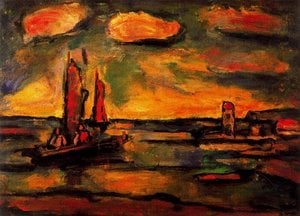
The child Jesus among doctors
복제본 크기
Georges Rouault's “The Child Jesus Among Doctors” is not merely a depiction of a biblical scene; it’s an intensely felt meditation on faith, suffering, and the quiet dignity of marginalized figures. Painted in 1930, this work exemplifies Rouault’s unique artistic vision – one forged in the crucible of Parisian life and profoundly shaped by his deeply held Catholic beliefs. The painting immediately arrests with its subdued palette: browns, greens, and muted yellows dominate, creating an atmosphere of profound solemnity, almost claustrophobic in its density. Heavy shadows and expressive brushstrokes contribute to a palpable sense of age and weariness, inviting the viewer into a space where time seems to slow and introspection becomes paramount.
The composition itself is deliberately unsettling. Rather than offering a triumphant portrayal of Christ’s wisdom, Rouault presents a scene of quiet observation, a gathering of learned men surrounding the Child Jesus. The figures are crowded together, their faces etched with varying degrees of concern and contemplation. A large window or archway – a recurring motif in Rouault's work – dominates the background, filled with indistinct architectural details that further contribute to the painting’s dreamlike quality. The artist employs a distorted perspective, flattening space and emphasizing emotional impact over precise realism, a hallmark of Expressionism.
Rouault's work is deeply rooted in his personal faith and his empathy for those on the fringes of society. “The Child Jesus Among Doctors” powerfully embodies this concern. The halo surrounding the young Christ isn’t a symbol of divine glory but rather a subtle acknowledgement of his inherent humanity, his vulnerability to suffering. The dark contours framing the luminous color fields – a technique inherited from his stained-glass apprenticeship – serve to isolate and emphasize the figures, particularly the Child Jesus, drawing attention to their individual struggles and beliefs. The muted colors themselves speak volumes; they evoke a sense of melancholy and perhaps even foreshadowing, reflecting the hardships faced by those Rouault sought to portray.
The seated figures, likely representing doctors or scholars, are not idealized representations of wisdom but rather individuals grappling with complex questions – their faces bearing the marks of contemplation and, perhaps, doubt. This deliberate ambiguity aligns perfectly with Rouault’s broader artistic project: to challenge conventional notions of religious iconography and to offer a more honest and emotionally resonant depiction of faith.
The painting's remarkable texture is achieved through Rouault’s masterful technique. Thick impasto brushstrokes, applied with both brushes and palette knives, create a palpable sense of physicality. Layer upon layer of paint builds up a rich surface that seems to vibrate with energy. The artist’s deliberate use of rough textures – mimicking the worn surfaces of the depicted space – further enhances the painting's emotional impact. The choice of oil paints on canvas allowed for the depth and luminosity Rouault sought, while the visible marks of his hand are not flaws but rather integral components of the artwork’s expressive power.
This reproduction captures every nuance of Rouault’s original vision, offering a stunning testament to his artistic genius. It's an opportunity to bring this profoundly moving work into your home or office – a piece that will undoubtedly spark conversation and inspire contemplation for years to come.


1871 - 1958 , 프랑스

당신의 예술적 영감을 전 세계로 확장하세요. WahooArt는 재고 부담 없는 프리미엄 지클리(Giclée) 프린트 솔루션을 통해 인플루언서와 작가들에게 글로벌 비즈니스 기회를 제공합니다. 박물관급 품질의 파인 아트 프린팅과 투명한 물류 시스템으로 당신의 작품을 시대를 초월한 예술적 유산으로 완성해 드립니다.

Master the nuances of Giclée printing with our expert guide. Discover how pigment-based inks and museum-grade substrates create fade-resistant, high-fidelity art reproductions designed for discerning collectors seeking unparalleled quality and longevity.


 미리보기
미리보기
 공유하기
공유하기 공유하기
공유하기
 상세 정보
상세 정보 가이드 보기

 다운로드
다운로드
 유사 작품
유사 작품 X-레이
X-레이 슬라이드 쇼
 통계 정보
통계 정보

 더 보기
더 보기









 유리 옵션은 110cm 미만 크기에서만 선택 가능합니다.