

이 페이지에 표시된 작품은 저작권법의 보호를 받으며, 이에 따라 동일한 복제품을 제작하거나 판매하는 것은 법으로 금지되어 있습니다. 이러한 권리 보호는 다음과 같은 국제 협약에 따라 시행됩니다. 베른 협약 또한 다음에서 명시하는 법률을 포함한 국내법에 의해 보호됩니다. 미국 저작권법 제17조.
저희는 존중을 담은 합법적인 대안으로서, 원작에서 영감을 받은 맞춤형 수제 유화 작품을 제공합니다. 저희의 숙련된 전문 화가들은 원작의 스타일, 분위기, 예술적 정수를 면밀히 연구하여, 그 자체로 독창적인 창작물이면서도 원작과 동일한 감동을 불러일으키는 새로운 작품을 만들어냅니다.
이 방식은 저작권 보호를 받는 예술 작품을 복제하거나 그대로 재현하는 것이 아니기에 저작권 규정을 완벽히 준수합니다. 대신, 이는 창의적인 재해석의 과정을 거칩니다. 즉, 원작에서 영감을 받되 원작과 동일하지 않은 새로운 회화 작품을 의미합니다.
작가가 직접 캔버스에 손으로 그린 유화 작품으로, 원하는 크기와 액자로 맞춤 제작해 드립니다. ( 프린트 판매로 전환 디지털 이미지 판매 채널로 전환)





























작품의 원본 비율을 그대로 유지하는 프리셋 사이즈 중에서 선택해 보세요.

특정 프레임이나 공간에 맞춰 원하는 크기를 직접 입력하실 수 있습니다. 선택하신 크기가 원본 이미지의 비율과 일치하지 않을 경우, 작품을 자르거나 추가적인 수작업 요소를 더해 그림을 확장하여 제작합니다. 제작 시작 전, 최종 확인을 위해 디지털 목업을 보내드립니다.
화면상의 미리 보기는 실제 크롭(자르기)이나 확장된 상태를 완벽히 반영하지 않을 수 있습니다. 최종 구도는 오직 목업을 통해서만 정확하게 확인하실 수 있습니다.
맞춤 크기 제작도 가능하지만, 원본의 비율을 그대로 유지하기 위해서는 미리 정의된 목록에서 크기를 선택하시는 것을 권장합니다.
Spring
복제본 규격
Georges Rouault's "Spring," painted in 1911, is far more than a simple depiction of a forest scene; it’s a profound meditation on humanity – its joys, sorrows, and the quiet dignity found within everyday life. Executed with Rouault’s signature style, immediately recognizable for its stark contrasts and emotionally charged palette, this work offers a window into the artist's deeply felt empathy for the marginalized and suffering, a core tenet of his artistic vision. The painting captures a fleeting moment of rural tranquility, yet it resonates with an underlying sense of melancholy and contemplation – qualities that would become hallmarks of Rouault’s oeuvre.
The composition itself is deliberately un-idealized. There are no heroic figures or grand vistas; instead, we encounter three individuals engaged in seemingly simple activities: one seated, another standing attentively, and a third observing from a distance. A dog lies nearby, adding to the sense of domesticity and companionship. Rouault’s masterful use of dark contours – a technique inherited directly from his apprenticeship with stained glass artisans – frames luminous color fields, creating an almost theatrical effect. This layering of light and shadow isn't merely aesthetic; it serves to heighten the emotional impact of each figure, drawing our attention to their individual expressions and postures.
Understanding Georges Rouault requires acknowledging his unique artistic journey. Born in the immediate aftermath of the Paris Commune, a period of immense upheaval and violence, Rouault's early life was shaped by hardship and a profound sense of loss. This experience profoundly influenced his worldview, fostering a deep compassion for those less fortunate. His apprenticeship as a glass painter from the age of fourteen proved formative, instilling in him an appreciation for vibrant color and precise execution – skills he would later translate to canvas with remarkable power.
Rouault’s fascination with stained glass extended beyond mere technical skill; it was deeply intertwined with his spiritual seeking. The luminous quality of the glass, its ability to transform light into something ethereal, mirrored his own desire for transcendence. This influence is readily apparent in “Spring,” where the use of dark outlines and intense color fields evokes a sense of sacredness, reminiscent of medieval religious art. His mother’s devout Catholic upbringing further solidified this spiritual connection, shaping his artistic themes and fueling his commitment to portraying the dignity of ordinary people.
While seemingly straightforward, “Spring” is rich in symbolic potential. The figures themselves – a seated individual, perhaps representing contemplation or rest; two standing ones, possibly engaged in conversation or observation – invite interpretation. The dog, a traditional symbol of loyalty and companionship, adds to the painting’s sense of warmth and connection. Rouault wasn't interested in simply recording a scene; he was striving to capture an *emotion*, a feeling of quiet beauty amidst the complexities of human existence.
The muted color palette – dominated by browns, greens, and ochres – contributes significantly to the painting’s melancholic mood. However, strategically placed bursts of brighter hues – particularly in the figures' clothing – draw our eye and emphasize their presence. This careful manipulation of color creates a dynamic tension between darkness and light, reflecting the inherent duality of human experience. “Spring” is not a celebration of springtime itself; it’s an exploration of the human condition—a poignant reminder of life’s fleeting beauty and enduring sorrows.
"Spring"은(는) 조르주 루오의 작품입니다. 이 페이지의 정보는 조르주 루오의 원작에 대해 설명합니다.
조르주 루오은(는) 1911년에 "Spring"을(를) 제작했을 당시 40세였습니다. 이 나이는 작가의 출생 연도인 1871을(를) 기준으로 계산되었습니다.
"Spring"은(는) forest scene, figures outdoors, dog companion, rouault style, human interaction, 1911 painting, religious themes을(를) 묘사하고 있는 반면, 조르주 루오의 기존 주제들은 stained glass influence, catholic faith, marginalized figures, social critique, fauvist color, emotional intensity, spiritual seeking, existential themes입니다. 이 두 가지를 비교해 보면 해당 작품이 작가의 통상적인 소재와 어떻게 연관되는지 알 수 있습니다.
조르주 루오의 작품 세계에서 "Spring"은 stained glass influence, catholic faith, marginalized figures, social critique, fauvist color, emotional intensity, spiritual seeking, existential themes라는 주제와 더불어 Fauvism 양식을 보여줍니다.
"Spring"의 Nostalgic한 감정은 그 Fauvism 양식과 함께 어우러집니다.
시각적 밝기 측면에서 볼 때, 조르주 루오의 "Spring"은(는) balanced 수준입니다.
"Spring"은(는) 1911년에 제작되었습니다. 이 시기는 조르주 루오의 예술적 경력과 당시의 시대상을 잘 보여줍니다.

1871 - 1958 , 프랑스
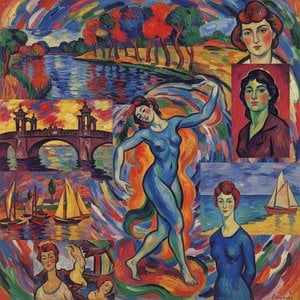
Explore 10 Fauvist masterpieces by Matisse, Derain & Vlaminck that ignited Modern Art! Discover bold colors, expressionist landscapes & the history of this revolutionary movement. Find museum-quality prints at WahooArt.com.
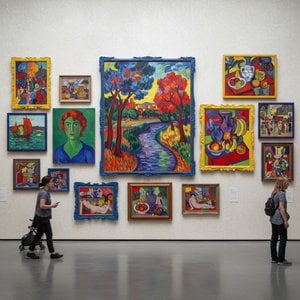
fauve 미술의 심장을 뛰게 하는 10대 걸작! 모리스 드니, 마티스 등 거장의 강렬한 색채와 혁신적인 표현을 만나보세요. 예술 작품 감상부터 인테리어 디자인 영감까지, WahooArt.com에서 명품 아트 프린트를 찾아보세요.
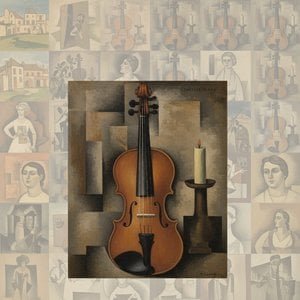
조르주 브라크의 시대를 초월한 25개의 걸작을 만나보세요. 입체주의를 개척한 프랑스 화가의 예술 세계와 숨겨진 이야기를 WahooArt에서 감상하고, 명작 유화 복제본으로 공간에 특별함을 더하세요. 지금 바로 컬렉션을 탐험하세요!
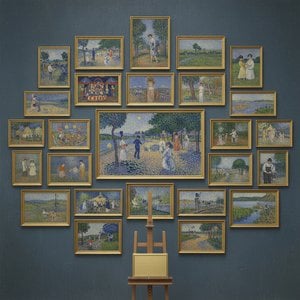
조르주 쇠라의 대표작 25선을 만나보세요. 점묘법의 혁신과 빛, 색채의 아름다움이 담긴 명작들을 감상하고, 인테리어에 예술적인 영감을 더하세요. WahooArt.com에서 고품질 미술 작품을 컬렉션해보세요.
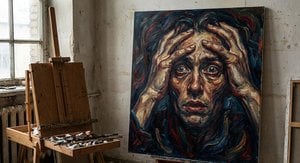
Explore the powerful world of Figurative Expressionism with WahooArt. Discover key artists like Kirchner & Beckmann, understand its emotional depth, and learn how to collect this influential 20th-century art movement.

 실제 크기로 보기
 보내기
보내기 공유하기
공유하기
 상세 보기
상세 보기 가이드 보기

 이미지 다운로드
 유사 작품 더 보기
 X-레이
X-레이 슬라이드 쇼 보기
 통계 정보
통계 정보

 상세 보기
상세 보기









 유리 옵션은 110cm 미만 크기에서만 선택 가능합니다.


