

이 페이지에 표시된 작품은 저작권법의 보호를 받으며, 이에 따라 동일한 복제품을 제작하거나 판매하는 것은 법으로 금지되어 있습니다. 이러한 권리 보호는 다음과 같은 국제 협약에 따라 시행됩니다. 베른 협약 또한 다음에서 명시하는 법률을 포함한 국내법에 의해 보호됩니다. 미국 저작권법 제17조.
이 방식은 저작권 보호를 받는 예술 작품을 복제하거나 그대로 재현하는 것이 아니기에 저작권 규정을 완벽히 준수합니다. 대신, 이는 창의적인 재해석의 과정을 거칩니다. 즉, 원작에서 영감을 받되 원작과 동일하지 않은 새로운 회화 작품을 의미합니다.
빠른 제작과 다양한 마감 옵션을 제공하는 박물관 수준의 지클레이 및 캔버스 프린트. ( 수작업 채색 복제본 주문하기 디지털 이미지로 전환)





























작품의 원본 비율을 그대로 유지하는 프리셋 사이즈 중에서 선택해 보세요.

액자나 벽면 크기에 맞춰 필요한 가로와 세로 길이를 입력해 주세요. 프린트는 원본 이미지보다 크게 제작할 수 없으며 오직 자르는 것만 가능하므로, 비율이 다른 사이즈를 선택할 경우 이미지의 일부가 잘려 나갈 수 있습니다. 인쇄 작업에 들어가기 전, 최종 확인을 위해 디지털 목업을 보내드립니다. 이 페이지에 표시된 이미지는 실제 잘리는 영역을 나타내지 않으며, 오직 목업을 통해서만 정확한 확인이 가능합니다.
Bella Matribus Detestata.
복제본 크기
Georges Rouault's “Bella Matribus Detestata” – Beautiful to Mothers, Hated by Mothers – is not merely a depiction of a mother and child; it’s an excavation of profound sorrow, a visceral rendering of vulnerability, and a testament to the artist’s deeply empathetic vision. Completed in 1927, this aquatint, roulette, and drypoint over heliogravure work embodies Rouault's signature style – a deliberate rejection of academic realism in favor of expressive distortion and an intensely emotional response to the human condition. The artwork immediately commands attention with its stark monochrome palette, dominated by shades of gray, black, and white, creating a sense of oppressive weight and quiet desperation.
The composition itself is powerfully simple: a mother and child are presented in a close embrace, their forms rendered with bold, thick lines that convey both solidity and fragility. The architectural element – a suggestion of a doorway or building – subtly frames the scene, adding depth without distracting from the central figures. Rouault’s masterful use of line isn't about precise representation; it’s about channeling emotion directly onto the paper. These aren’t delicate lines meant to capture detail; they are forceful strokes that imbue the mother and child with a palpable sense of suffering.
To fully appreciate “Bella Matribus Detestata,” one must understand Rouault's formative years. Born in Paris in 1871, he experienced firsthand the city’s turbulent history, including the brutal events of the Commune. This early exposure to violence and social unrest profoundly shaped his artistic sensibility, leading him to focus on the marginalized and forgotten – the poor, the sick, and the dying. His mother, a devout Catholic, instilled in him a deep sense of spirituality and compassion, themes that consistently informed his work. Rouault’s apprenticeship in stained glass further influenced his aesthetic; the bold outlines and luminous color fields he employed here are directly reminiscent of medieval artistry, creating a powerful connection to centuries-old traditions.
The title itself – “Bella Matribus Detestata” – is laden with symbolic weight. It’s a fragmented quotation from the Vulgate, referencing the biblical story of Rachel weeping for her children. This immediately establishes a narrative of profound grief and loss. The mother's face, rendered with large, almond-shaped eyes, conveys an overwhelming sense of sadness and despair. Her posture suggests both protection and anguish – she shields her child while simultaneously bearing the burden of their shared suffering. The simplified forms, devoid of realistic detail, contribute to a universality; these figures could represent any mother and child facing hardship, making the artwork profoundly moving and timeless.
Rouault’s technique is characterized by a deliberate contrast between dense shading and lighter highlights, creating a dramatic interplay of light and dark. The aquatint process, in particular, allows for subtle tonal variations that add to the artwork's emotional intensity. His approach wasn’t about meticulous detail; it was about capturing the essence of human emotion through expressive lines and bold color fields. “Bella Matribus Detestata” stands as a pivotal work in Rouault’s oeuvre, solidifying his reputation as one of the most significant figures of Expressionism. It remains a powerful example of how art can confront difficult truths and evoke profound emotional responses – a testament to the enduring power of human empathy.
조르주 루오의 "Bella Matribus Detestata."은(는) Fauvism 사조와 근대 미술 시대의 만남을 보여줍니다.
조르주 루오의 "Bella Matribus Detestata."의 복제본은 Statement에 활용하시기에 좋습니다. 이는 작품의 주제와 분위기, 그리고 색감을 고려한 제안입니다.
"Bella Matribus Detestata."은(는) 조르주 루오의 Fauvism 시기 작품으로, 작가의 주요 주제로는 medieval stained glass, catholic suffering, faith, parisian social critique, expressionist emotional depth, rouault’s spiritual vision 등이 있습니다.


1871 - 1958 , 프랑스
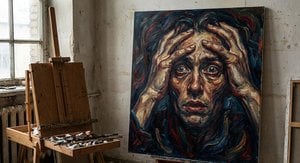
Explore the powerful world of Figurative Expressionism with WahooArt. Discover key artists like Kirchner & Beckmann, understand its emotional depth, and learn how to collect this influential 20th-century art movement.

Explore the raw emotion of Expressionism with WahooArt. Discover its history, key artists like Kirchner & Munch, and lasting influence on modern art. Expert insights for collectors & enthusiasts.
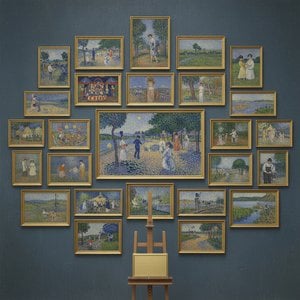
조르주 쇠라의 대표작 25선을 만나보세요. 점묘법의 혁신과 빛, 색채의 아름다움이 담긴 명작들을 감상하고, 인테리어에 예술적인 영감을 더하세요. WahooArt.com에서 고품질 미술 작품을 컬렉션해보세요.

조르주 브라크의 시대를 초월한 25개의 걸작을 만나보세요. 입체주의를 개척한 프랑스 화가의 예술 세계와 숨겨진 이야기를 WahooArt에서 감상하고, 명작 유화 복제본으로 공간에 특별함을 더하세요. 지금 바로 컬렉션을 탐험하세요!

Discover the raw emotion of Symbolic Expressionism. Our expert guide explores how masters like Munch use color and form to convey inner feelings, offering inspiration for collectors looking to bring powerful, soulful art into their modern homes.
 미리보기
미리보기
 공유하기
공유하기 공유하기
공유하기
 상세 정보
상세 정보 가이드 보기

 다운로드
다운로드
 유사 작품 더 보기
 X-레이
X-레이 슬라이드 쇼 보기
 질의응답
질의응답
 통계 정보
통계 정보

 더 보기
더 보기









 유리 옵션은 110cm 미만 크기에서만 선택 가능합니다.


