Oil On CanvasWallArtPost-Impressionism
 188219th Century
 16.0 x 25.0 cm
 메트로폴리탄 미술관
빠른 제작과 다양한 마감 옵션을 제공하는 박물관 품질의 지클레이 또는 캔버스 프린트. ( 손으로 그린 그림 구매 디지털 이미지로 전환)





























작품의 원본 비율을 유지하는 미리 설정된 크기 중에서 선택하세요.

특정 프레임이나 공간에 맞춰 직접 치수를 입력하실 수 있습니다. 선택하신 사이즈가 원본 이미지의 비율과 일치하지 않을 경우, 작품을 크롭(자르기)하거나 이미지를 대칭 또는 단색 채우기로 확장하여 제작합니다. 제작 시작 전, 최종 확인을 위해 디지털 목업이 전송됩니다.
화면상의 미리보기는 실제 크롭이나 확장 상태를 반영하지 않으므로, 최종 구도는 오직 목업을 통해서만 정확하게 확인하실 수 있습니다.
맞춤 사이즈 제작도 가능하지만, 원본 비율을 유지하기 위해서는 사전 정의된 목록에서 치수를 선택하시는 것을 권장합니다.

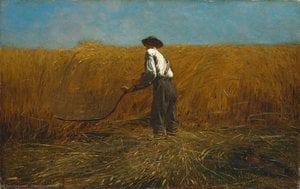
The Mower
복제본 크기
Georges Pierre Seurat, a name synonymous with innovation and meticulous observation within the Post-Impressionist movement, irrevocably altered the landscape of painting in late 19th century France. Born in Paris on December 2nd, 1859, his artistic journey began amidst a burgeoning fascination for scientific principles – specifically optics – which would ultimately propel him to create one of the most recognizable and influential artworks of his era: “The Mower.” Now housed at The Metropolitan Museum of Art in New York City, this deceptively simple depiction holds profound significance beyond its tranquil subject matter.
"The Mower," measuring just 16 x 25 cm, is executed with remarkable care using oil on canvas. Seurat’s genius lay not merely in capturing a rural scene but in applying his groundbreaking technique – Pointillism – to achieve an unprecedented level of luminosity and color vibrancy. Unlike Impressionists who blended pigments wet-on-wet, Seurat painstakingly applied tiny dots of pure pigment onto the canvas surface. This method, rooted in Helmholtz’s theory of color perception, aimed to stimulate the eye's ability to synthesize colors optically, resulting in a shimmering effect that transcends mere representation.
While “The Mower” doesn't showcase the full extent of Seurat’s later explorations into Chromoluminarism—where he utilized a broader palette and manipulated tonal gradations—it represents an essential step in establishing Pointillism as his signature style. The painting brilliantly portrays a solitary farmer diligently cutting grass with a scythe, bathed in dappled sunlight. A bird soaring overhead introduces a subtle element of dynamism against the backdrop of stillness, emphasizing the artist’s focus on capturing not just what is seen but how it feels—a profound sense of calm and contemplative engagement.
"The Mower" precedes Seurat’s monumental masterpiece, “A Sunday Afternoon on the Island of La Grande Jatte,” marking a pivotal moment in his artistic development. However, it stands alone as an exemplary embodiment of his early aesthetic sensibilities—a desire to distill complex visual information into its purest form. Alongside this serene depiction are other notable works like Landscape at Saint-Ouen and The Gardener, all residing within The Musée de l'Annonciade and numerous private collections. These pieces underscore Seurat’s unwavering commitment to exploring the interplay between observation and artistic expression.
Georges Seurat’s legacy extends far beyond the confines of 19th century France. His innovative techniques and stylistic vision continue to inspire artists today, demonstrating the enduring power of artistic experimentation and intellectual curiosity. “The Mower,” with its masterful use of color and composition, serves as a testament to Seurat's ability to transform everyday life into an extraordinary visual experience—a timeless reminder that beauty can be found in simplicity and precision.


1859 - 1891 , 프랑스

Explore the transformative era of Post-Impressionism. Discover how masters like Cézanne and Matisse revolutionized color and form, moving beyond Impressionism to shape modern art history through structural innovation and expressive emotion.

Unveil the profound revolution of Post-Impressionism. Explore how masters like Van Gogh and Cézanne utilized bold colors and emotional depth to transcend mere representation, laying the foundation for modern art. A sophisticated journey through history's most emotive brushstrokes.

Explore the vibrant evolution of Post-Impressionism. From Seurat's revolutionary Pointillism to the emotional depth of masters, discover how this movement redefined modern art history through color, structure, and unparalleled creative expression.

Master the nuances of Impressionism vs. Post-Impressionism with our expert guide. Explore the revolutionary shift from Monet’s fleeting light to Van Gogh’s emotional depth. Discover how these iconic movements continue to inspire fine art collectors and modern interiors today.


 미리보기
미리보기
 공유하기
공유하기 공유하기
공유하기
 상세 정보
상세 정보 Guide
Guide

 다운로드
다운로드
 유사 작품
유사 작품 X-레이
X-레이 슬라이드 쇼
 통계 정보
통계 정보 더 보기
더 보기









 유리 옵션은 110cm 미만 크기에서만 선택 가능합니다.