
x


빠른 제작과 다양한 마감 옵션을 제공하는 박물관 품질의 지클레이 또는 캔버스 프린트. ( 손으로 그린 그림 구매 이미지 구매)





























작품의 원본 비율을 유지하는 미리 설정된 크기 중에서 선택하세요.

특정 프레임이나 공간에 맞춰 직접 치수를 입력하실 수 있습니다. 선택하신 사이즈가 원본 이미지의 비율과 일치하지 않을 경우, 작품을 크롭(자르기)하거나 이미지를 대칭 또는 단색 채우기로 확장하여 제작합니다. 제작 시작 전, 최종 확인을 위해 디지털 목업이 전송됩니다.
화면상의 미리보기는 실제 크롭이나 확장 상태를 반영하지 않으므로, 최종 구도는 오직 목업을 통해서만 정확하게 확인하실 수 있습니다.
맞춤 사이즈 제작도 가능하지만, 원본 비율을 유지하기 위해서는 사전 정의된 목록에서 치수를 선택하시는 것을 권장합니다.

Seated Nude: Study for
복제본 크기
Georges Seurat's “Seated Nude: Study for” is not merely a drawing; it’s a distilled essence of the artist’s revolutionary approach to art, a poignant glimpse into his creative process. Completed in 1883, this monochromatic work immediately draws the viewer into a world of meticulous detail and profound emotional resonance. The subject – a male nude seated in profile – is rendered with an almost obsessive precision using dry point technique, creating a surface that vibrates with texture and depth. It’s a study, yes, but one brimming with a quiet dignity and vulnerability that transcends its preparatory status.
The composition centers on the figure's back and shoulders, subtly angled towards the viewer, inviting a sense of intimacy despite the formal restraint. The lower body is deliberately obscured by shadow, fostering an atmosphere of contemplation – a suggestion of introspection rather than overt sensuality. Seurat’s genius lies in his ability to convey complex emotion through deceptively simple forms. This isn't a celebration of the nude form; it’s a meditation on stillness, solitude, and perhaps even a touch of melancholy.
Executed with an extraordinary level of control, “Seated Nude” exemplifies Seurat's groundbreaking technique of Pointillism – or, as he termed it, chromoluminarism. Rather than blending colors directly on the canvas, Seurat employed thousands of tiny, distinct dots of pure color, meticulously arranged to create optical mixtures when viewed from a distance. This method, rooted in scientific observation of how the eye perceives light and color, was radically innovative for its time.
The drawing isn’t just about technique; it’s about the *process* of seeing and representing reality. Seurat wasn’t interested in simply copying what he saw; he was attempting to capture the very essence of light and form through a system of scientific observation.
“Seated Nude: Study for” emerged during a pivotal moment in art history – the transition from Impressionism to modernism. Georges Seurat, born in Paris in 1859, was deeply influenced by artists like Eugène Delacroix and the scientific theories of Charles Darwin, particularly regarding perception and color. He sought to move beyond the fleeting impressions of Impressionism and create a more structured, rational approach to art.
His work aligns with the broader intellectual currents of the late 19th century, reflecting a fascination with science, technology, and the pursuit of objective truth. Seurat’s meticulous methodology and his exploration of optical effects paved the way for later movements such as Neo-Impressionism and Fauvism. The drawing stands as a crucial bridge between these artistic traditions.
Beyond its technical brilliance, “Seated Nude” possesses a subtle yet powerful symbolic resonance. The pose itself – seated, contemplative, slightly vulnerable – evokes a sense of introspection and quiet dignity. The somber tone and the deliberate use of monochrome contribute to this atmosphere of melancholy and contemplation.
It’s important to note that Seurat was not simply depicting a nude figure; he was exploring themes of human experience—the beauty of stillness, the weight of solitude, and perhaps even the acceptance of mortality. This drawing invites us to pause, reflect, and consider our own place within the larger context of existence.

1859 - 1891 , 프랑스

Explore the scientific brilliance of Seurat and Signac. Discover how Pointillism revolutionized color through optical mixing and light, offering a profound look into the Neo-Impressionist movement for true art connoisseurs and collectors.
Discover the mesmerizing world of Pointillism. Explore the revolutionary techniques of Georges Seurat, the science of optical color mixing, and the enduring legacy of Neo-Impressionism in this expert guide for classical art enthusiasts.
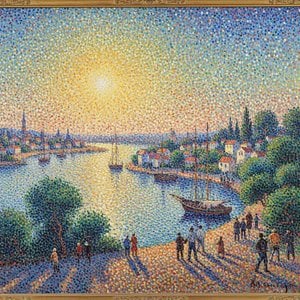
Embark on a sophisticated journey into the luminous world of Neo-Impressionism. Uncover the scientific brilliance of Pointillism, from Georges Seurat’s revolutionary color theory to the mesmerizing magic of the dot. An expert exploration for true art history enthusiasts.

Explore the vibrant evolution of Post-Impressionism. From Seurat's revolutionary Pointillism to the emotional depth of masters, discover how this movement redefined modern art history through color, structure, and unparalleled creative expression.


최신 미술 뉴스, 특별 혜택 및 인테리어 아이디어를 가장 먼저 만나보세요.
프로젝트에 대해 알려주시면 저희 미술 전문가들이 맞춤형 아트 제안 3가지를 전달해 드립니다.
당신만을 위한 맞춤형 옵션 3가지를 무료로 추천해 드립니다!


 미리보기
미리보기
 공유하기
공유하기 공유하기
공유하기
 상세 정보
상세 정보

 다운로드
다운로드
 유사 작품
유사 작품 X-레이
X-레이 슬라이드 쇼


 더 보기
더 보기









 유리 옵션은 110cm 미만 크기에서만 선택 가능합니다.


