
빠른 제작과 다양한 마감 옵션을 제공하는 박물관 품질의 지클레이 또는 캔버스 프린트. ( 손으로 그린 그림 구매 디지털 이미지로 전환)





























작품의 원본 비율을 유지하는 미리 설정된 크기 중에서 선택하세요.

특정 프레임이나 공간에 맞춰 직접 치수를 입력하실 수 있습니다. 선택하신 사이즈가 원본 이미지의 비율과 일치하지 않을 경우, 작품을 크롭(자르기)하거나 이미지를 대칭 또는 단색 채우기로 확장하여 제작합니다. 제작 시작 전, 최종 확인을 위해 디지털 목업이 전송됩니다.
화면상의 미리보기는 실제 크롭이나 확장 상태를 반영하지 않으므로, 최종 구도는 오직 목업을 통해서만 정확하게 확인하실 수 있습니다.
맞춤 사이즈 제작도 가능하지만, 원본 비율을 유지하기 위해서는 사전 정의된 목록에서 치수를 선택하시는 것을 권장합니다.

Peasant Laboring
복제본 크기
In the quiet, sun-drenched landscapes of rural France, Georges Seurat captured more than just a moment in time; he engineered a revolution of light. “Peasant Laboring,” painted around 1886-87, stands as a breathtaking testament to this scientific and artistic mastery. At first glance, the viewer is greeted by a scene of pastoral tranquility: a solitary farmer, bent with rhythmic dedication over his field, working under the radiant glow of the midday sun. Yet, beneath this seemingly simple subject lies a profound complexity that transcends mere representation. The painting does not just depict labor; it celebrates the very physics of vision, inviting the observer to participate in a dance of light and color.
The brilliance of this masterpiece is found in Seurat’s pioneering use of Pointillism, or more accurately, Chromoluminarism. Eschewing the rapid, spontaneous brushstrokes of his Impressionist predecessors, Seurat adopted a method of extreme discipline. He applied tiny, distinct dots of pure pigment to the canvas, relying on the science of optics rather than traditional blending. As your eyes move across the surface, these individual points of color undergo an optical mixing process within the retina itself. This technique allows the colors to vibrate with an unparalleled luminosity, creating a shimmering effect where the air seems to hum with the warmth of the summer sun and the vitality of the earth.
Beyond its technical rigor, “Peasant Laboring” possesses a deep, emotive resonance that makes it a captivating centerpiece for any curated collection. The composition is anchored by the figure of the laborer, whose presence evokes the timeless connection between humanity and the land. In the background, the subtle inclusion of other figures and horses suggests the industrious pulse of farm life, adding layers of narrative depth to the scene. There is a profound sense of order and harmony here—a reflection of Seurat’s desire to find a logical, almost mathematical beauty within the natural world.
For the discerning collector or interior designer, this artwork offers a unique blend of intellectual stimulation and aesthetic serenity. The painting’s ability to transform a commonplace rural scene into an extraordinary optical experience provides a focal point that is both sophisticated and inviting. Whether placed in a modern gallery setting or a classic study, the luminous quality of Seurat's dots brings a sense of movement and life to a room. To possess a reproduction of this work is to bring home a piece of the Belle Époque—a fragment of an era defined by optimism, scientific discovery, and the eternal pursuit of capturing the fleeting magic of light.


1859 - 1891 , 프랑스
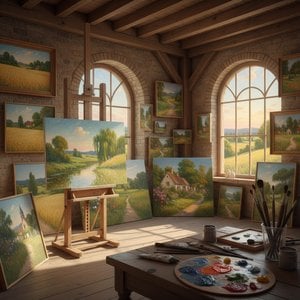
Discover the profound tranquility of rural art through an expert exploration of Impressionist landscapes. From pastoral scenes to textured oil masterpieces, learn how timeless nature-inspired artworks bring enduring elegance and serenity to sophisticated collectors.

Explore the ethereal beauty of Impressionist landscapes. Discover how masters like Monet captured fleeting light through color and texture, and learn to curate these timeless, luminous masterpieces for your home collection.


 미리보기
미리보기
 공유하기
공유하기 공유하기
공유하기
 상세 정보
상세 정보

 다운로드
다운로드
 유사 작품
유사 작품 X-레이
X-레이 슬라이드 쇼
 통계 정보
통계 정보

 더 보기
더 보기









 유리 옵션은 110cm 미만 크기에서만 선택 가능합니다.


