
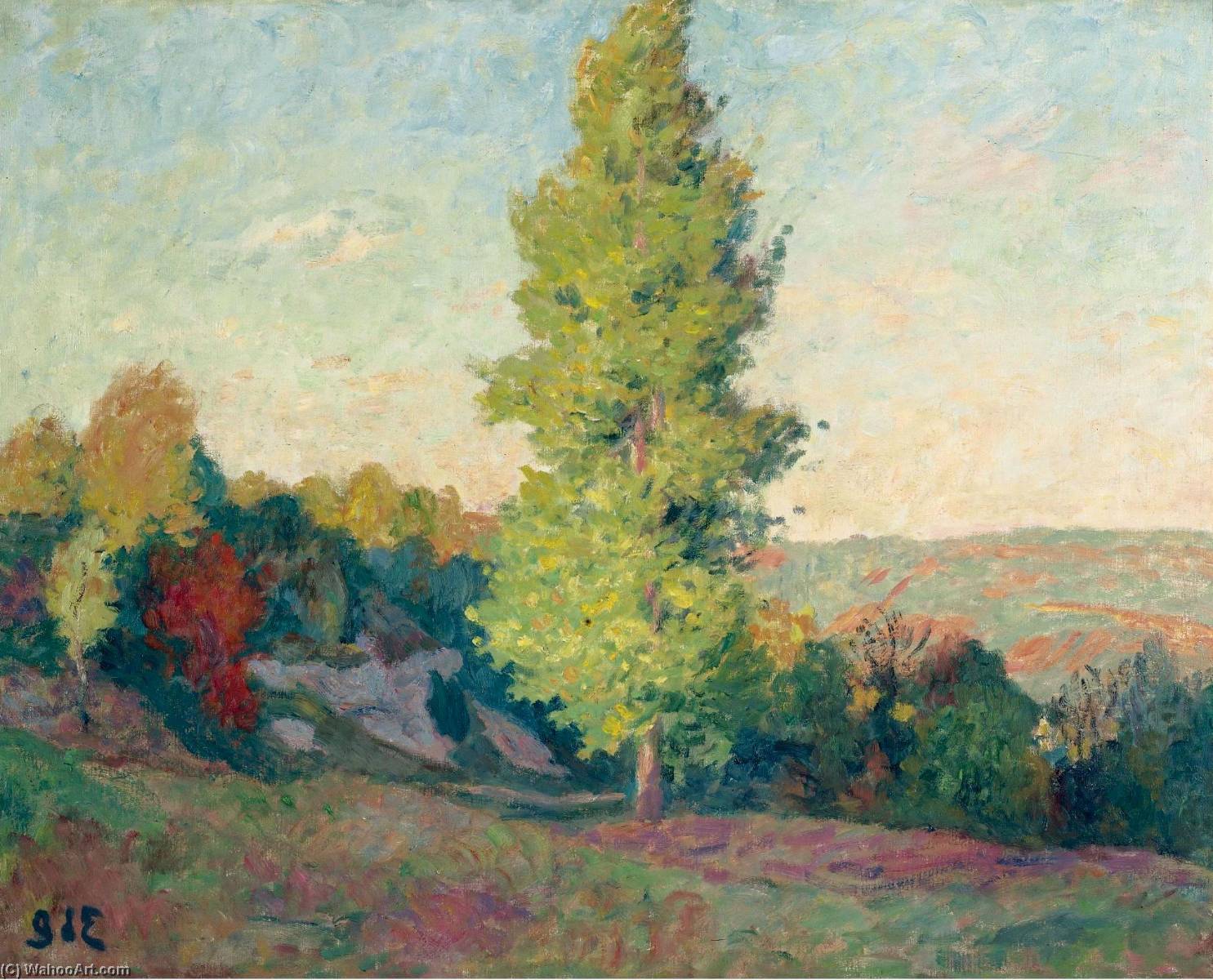
빠른 제작과 다양한 마감 옵션을 선택할 수 있는 박물관 수준의 지클레이 및 캔버스 프린트. ( 수작업 채색 복제본 주문하기 디지털 이미지 판매 채널로 전환)
작품의 원본 비율을 그대로 유지하는 프리셋 사이즈 중에서 선택해 보세요.

액자나 벽면 크기에 맞춰 필요한 가로와 세로 길이를 입력해 주세요. 프린트는 원본 이미지보다 크게 제작할 수 없으며 오직 자르는 것만 가능하므로, 비율이 다른 사이즈를 선택할 경우 이미지의 일부가 잘려 나갈 수 있습니다. 인쇄 작업에 들어가기 전, 최종 확인을 위해 디지털 목업을 보내드립니다. 이 페이지에 표시된 이미지는 실제 잘리는 영역을 나타내지 않으며, 오직 목업을 통해서만 정확한 확인이 가능합니다.
Landscape
복제본 규격

19세기 말과 20세기 초 프랑스 미술이라는 찬란한 태피스트리 속에서, 조르주 데스파뉴(Georges D’Espagnat)만큼 전통에서 현대성으로의 전환을 우아하게 구현해낸 인물은 드뭅니다. 1870년 프랑스 멜룅에서 태어난 데스파뉴는 미학적 아름다움에 깊이 침잠된 삶을 살 운명이었습니다. 그의 아버지가 설립한 전설적인 뒤랑-뤼엘 갤러리(Durante-Ruel Gallery)는 그에게 모더니즘의 진화를 들여다볼 수 있는 독보적인 창을 제공했으며, 그를 파리 미술계의 심장부에 자리 잡게 했습니다. 이러한 어린 시절의 경험은 그가 예술사의 변화하는 물결을 직접 목격하게 했으며, 훗날 바르비종 학파의 거친 사실주의와 인상주의의 빛나고 찰나적인 감각 사이의 간극을 메울 수 있는 독창적인 시각을 길러주었습니다.
데스파뉴의 예술적 여정은 심오한 통합의 과정이었습니다. 그의 형성기는 귀스타브 쿠르베(Gustave Courbet)와 장 프랑수아 밀레(Jean-François Millet) 같은 거장들이 옹호했던 농촌 생활의 묵직하고 정직한 묘사들에 의해 형성되었지만, 그의 마음은 더욱 서정적이고 대기감이 느껴지는 표현을 향해 기울었습니다. 1888년 파리로 이주한 그는 구스타브 클로드 에티엔 쿠르투아와 같은 화가들의 지도를 받으며 독자적인 훈련 과정을 시작했습니다. 그의 스타일은 결국 피에르 오귀스트 르누아르(Pierre-Autgue Renoir)의 부드럽고 얼룩진 빛과 알프레드 시슬레(Alfred Sisley)의 섬세한 질감에 깊은 빚을 진, 정교한 후기 인상주의적 언어로 꽃을 피웠습니다. 사실주의의 구조적 무결성과 색채의 정서적 힘이 결합된 이 양식적 이중성은 그의 작품 세계를 상징하는 특징이 되었습니다.
데스파뉴가 다룬 주제의 폭은 인간의 형태와 자연계 모두에 대한 깊고 변치 않는 경외심을 반영합니다. 그의 풍경화는 단순한 지형적 기록이 아니라 프랑스 시골 풍경에 대한 정서적 환기입니다. 1900년의 걸작 "풍경(Landscape)"과 같은 작품에서는 자유롭고 춤추는 듯한 붓터치가 어떻게 움직임의 환상을 만들어내며, 스쳐 지나가는 산들바람이나 변화하는 햇빛의 정수를 포착하는지 관찰할 수 있습니다. 생생한 색조와 질감 있는 표현을 통해 평온함을 전달하는 그의 능력은 관람객이 고요하고 자연스러운 순간 속으로 직접 걸어 들어가는 듯한 경험을 선사합니다.
자연의 지평선을 넘어, 데스파뉴는 누드화와 가정적인 장면들을 통해 인간 경험의 친밀함을 탐구했습니다. 인체의 묘사는 해부학적 정밀함으로 찬사를 받으면서도 결코 차갑거나 임상적이지 않습니다. 대신 섬세한 명암과 부드러운 빛을 통해 우아하고 시적인 질감을 지닙니다. 이러한 다정함은 "빌렌 쉬르 센의 보리유 물방앗간 테라스에 있는 여성과 아이들(Femmes et enfants dans la terrace du moulin de Beaulieu à Villennes sur Seine)"와 같은 풍속화로 이어지며, 무성하고 푸른 정원 속 가족 생활의 고요한 마법을 포착해냅니다. 생동감 넘치는 "붉은 꽃과 과일(Red Flowers and Fruit)"과 같은 정물화부터 "여인과 아이(Woman and Child)"에 나타난 애틋한 모성적 순간에 이르기까지, 그의 작품은 만져질 듯한 대기감과 감정의 뿌리를 굳건히 유지하고 있습니다.
데스파뉴는 단순한 화가 그 이상이었습니다. 그는 당대 문화적 구조의 핵심적인 참여자였습니다. 그의 경력은 권위 있는 살롱 데 리퓨제(Salon des Refusés)에서의 전시부터, 이후 자신이 부회장으로 재직하며 기틀을 마련하는 데 기여한 살롱 도톤느(Salon d’Automne)에 이르기까지 화려하게 이어졌습니다. 그의 지적 영역은 문학과 무대 미술로도 확장되었는데, 알퐁스 도데(Alphonse Daudet)와 레미 드 구르몽(Rémy de Gourmont) 같은 유명 작가들의 작품에 삽화를 그림으로써 그의 예술적 비전이 프랑스의 광범위한 문학 운동과 깊게 얽혀 있음을 증명했습니다.
오늘 이 시대에 조르주 데스파뉴의 역사적 중요성은 세계에서 가장 존경받는 기관들에 소장된 그의 작품들을 통해 공고히 자리 잡고 있습니다. 그의 유산은 다음과 같은 컬렉션들을 통해 계속해서 살아 숨 쉬고 있습니다:
바르비종 학파의 영향력이 정점에 달했던 시기부터 현대 추상의 여명기에 이르기까지, 한 생애를 되돌아볼 때 데스파뉴는 여전히 빛나는 인물로 남아 있습니다. 그는 예술이 전통의 무게를 존중하면서도 현재 이 순간의 덧없는 아름다움을 포용할 수 있음을 우리에게 가르쳐 주었으며, 빛과 생명력으로 계속해서 숨 쉬는 작품들을 우리 곁에 남겨주었습니다.
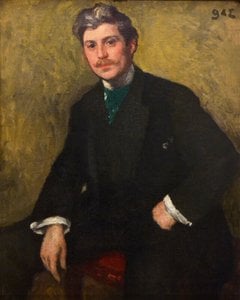
1870 - 1950

Explore the ethereal beauty of Impressionist landscapes. Discover how masters like Monet captured fleeting light through color and texture, and learn to curate these timeless, luminous masterpieces for your home collection.

 실제 크기로 보기
 보내기
보내기 공유하기
공유하기
 상세 보기
상세 보기 가이드 보기

 이미지 다운로드
 유사 작품 더 보기
 X-레이
X-레이 슬라이드 쇼 보기
 Q&A
Q&A 통계 정보
통계 정보

 상세 보기
상세 보기






































 유리 옵션은 110cm 미만 크기에서만 선택 가능합니다.


