
 Oil On CanvasWallArtRomanticism
 1777
1777 97.0 x 122.0 cm
 National Trust
빠른 제작과 다양한 마감 옵션을 제공하는 박물관 품질의 지클레이 또는 캔버스 프린트. ( 손으로 그린 그림 구매 디지털 이미지로 전환)





























작품의 원본 비율을 유지하는 미리 설정된 크기 중에서 선택하세요.

특정 프레임이나 공간에 맞춰 직접 치수를 입력하실 수 있습니다. 선택하신 사이즈가 원본 이미지의 비율과 일치하지 않을 경우, 작품을 크롭(자르기)하거나 이미지를 대칭 또는 단색 채우기로 확장하여 제작합니다. 제작 시작 전, 최종 확인을 위해 디지털 목업이 전송됩니다.
화면상의 미리보기는 실제 크롭이나 확장 상태를 반영하지 않으므로, 최종 구도는 오직 목업을 통해서만 정확하게 확인하실 수 있습니다.
맞춤 사이즈 제작도 가능하지만, 원본 비율을 유지하기 위해서는 사전 정의된 목록에서 치수를 선택하시는 것을 권장합니다.

The Fall of Phaëton
복제본 크기
George Stubbs's “The Fall of Phaëton,” painted in 1777, isn’t merely a depiction of a Greek myth; it’s a visceral experience. This monumental canvas, now residing within the National Trust at Saltram, transcends its narrative origins to become a profound meditation on power, destruction, and the sublime beauty of chaos. Stubbs, a revolutionary figure in 18th-century art, deliberately eschewed the idealized forms favored by his contemporaries, instead opting for an anatomical realism that bordered on the unsettling, particularly when applied to subjects as grand and terrifying as the sun god’s son attempting to wrest control from his father.
The scene unfolds with breathtaking dynamism. Phaeton, a young man consumed by ambition and perhaps hubris, is shown at the apex of his disastrous journey – driving the chariot of the sun across the heavens. His face, contorted in panic and exertion, reflects the impending doom that threatens to engulf him and all beneath. The horses themselves are rendered with astonishing detail, their muscular forms straining against the reins, each a testament to Stubbs’s meticulous study of equine anatomy. The composition is dominated by diagonals – the sweeping arc of the chariot, the downward plunge of the thunderbolts, and the frantic movement of the steeds – creating a sense of relentless forward momentum that pulls the viewer directly into the heart of the drama.
Stubbs's commitment to anatomical accuracy was legendary. His fascination with the inner workings of animals, fueled by his time dissecting horses at York County Hospital, informed every brushstroke. “The Fall of Phaëton” is a prime example of this approach; Stubbs didn’t simply paint a horse; he painted its very essence – the sinews beneath the skin, the skeletal structure supporting the musculature, and the intricate network of veins pulsing with life. This dedication to realism was considered radical at the time, challenging the prevailing artistic conventions that prioritized idealized beauty over scientific observation.
The painting’s color palette further enhances its dramatic effect. Stark contrasts between light and shadow – a consequence of Stubbs's masterful use of chiaroscuro – heighten the sense of urgency and impending disaster. The fiery hues of the sun chariot are juxtaposed against the deepening blues and purples of the approaching night, symbolizing the irreversible shift from day to darkness. The subtle gradations of color within each figure’s form contribute to a remarkable sense of volume and depth, drawing the viewer into the scene with an almost unsettling immediacy.
Beyond its technical brilliance, “The Fall of Phaëton” is rich in symbolic meaning. The myth itself speaks to themes of unchecked ambition, divine retribution, and the consequences of defying fate. Phaeton’s downfall serves as a cautionary tale against hubris and a reminder that even those blessed with extraordinary power are ultimately subject to mortality. The figures surrounding the event – the Heliades, transformed into poplar trees in mourning for their brother, and Cycnus, hiding his face in despair – amplify this sense of loss and tragedy.
However, the painting transcends mere allegory. It evokes a profound emotional response—a mixture of awe, terror, and pity. The sheer scale of the scene, combined with Stubbs’s dramatic composition and masterful use of color, creates an overwhelming sensory experience that leaves the viewer breathless. “The Fall of Phaëton” is not simply a depiction of a myth; it's a powerful meditation on human nature, the forces of destruction, and the enduring beauty of tragedy—a timeless masterpiece that continues to captivate audiences centuries after its creation.
Reproductions of “The Fall of Phaëton” offer a remarkable opportunity to experience Stubbs’s artistic vision firsthand. Whether displayed in a grand salon or a more intimate setting, this painting commands attention with its dramatic intensity and technical brilliance. Collectors appreciate the work's historical significance, scientific rigor, and enduring aesthetic appeal. Interior designers often incorporate reproductions into spaces seeking to evoke a sense of grandeur, drama, and intellectual curiosity – a testament to Stubbs’s lasting influence on art history.

1724 - 1806 , 영국

Explore the profound beauty of mythological figures through the lens of art history. From Renaissance masterpieces to custom oil reproductions, discover how legendary tales of heroism and divinity are immortalized in fine art for discerning collectors.
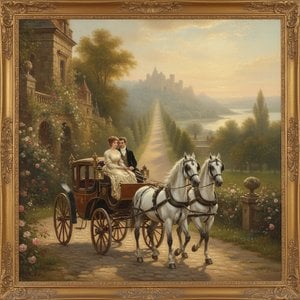
Embark on a visual journey through the romantic world of horse carriage art. Discover the mastery of equestrian oil paintings, from Impressionist textures to classical realism, and learn how to bring timeless elegance into your home with museum-quality reproductions.

Embark on a sophisticated journey through the eternal allure of mythological art. Discover how master painters breathe life into ancient legends, from Greek deities to Baroque masterpieces, and learn to curate these timeless narratives within your own exquisite art collection.


 미리보기
미리보기
 공유하기
공유하기 공유하기
공유하기
 상세 정보
상세 정보

 다운로드
다운로드
 유사 작품
유사 작품 X-레이
X-레이 슬라이드 쇼
 통계 정보
통계 정보 더 보기
더 보기









 유리 옵션은 110cm 미만 크기에서만 선택 가능합니다.


