
 Oil On CanvasWallArtRomantic Realism
 1763
1763 69.0 x 104.0 cm
 테이트 브리튼
빠른 제작과 다양한 마감 옵션을 제공하는 박물관 품질의 지클레이 또는 캔버스 프린트. ( 손으로 그린 그림 구매 디지털 이미지로 전환)





























작품의 원본 비율을 유지하는 미리 설정된 크기 중에서 선택하세요.

특정 프레임이나 공간에 맞춰 직접 치수를 입력하실 수 있습니다. 선택하신 사이즈가 원본 이미지의 비율과 일치하지 않을 경우, 작품을 크롭(자르기)하거나 이미지를 대칭 또는 단색 채우기로 확장하여 제작합니다. 제작 시작 전, 최종 확인을 위해 디지털 목업이 전송됩니다.
화면상의 미리보기는 실제 크롭이나 확장 상태를 반영하지 않으므로, 최종 구도는 오직 목업을 통해서만 정확하게 확인하실 수 있습니다.
맞춤 사이즈 제작도 가능하지만, 원본 비율을 유지하기 위해서는 사전 정의된 목록에서 치수를 선택하시는 것을 권장합니다.

Lion Devouring a Horse
복제본 크기
To stand before George Stubbs’ magnificent "Lion Devouring a Horse" is to be plunged into a moment of raw, untamed drama. This 1763 oil on canvas does more than merely depict an animal encounter; it arrests time itself, freezing the apex of conflict in vivid, masterful strokes. Stubbs, celebrated for his unparalleled anatomical studies of equine life, elevates this scene beyond mere natural history painting into a profound meditation on power dynamics and survival. The sheer energy radiating from the central action—the lion’s powerful jaws closing upon the struggling form of the horse—is breathtaking, inviting the viewer to lean in, breathless, as if they too are witnessing the struggle firsthand.
Stubbs' technical brilliance is immediately apparent. The artist possessed an almost scientific understanding of musculature, rendering both creatures with startling verisimilitude. Observe the texture: the lion’s coat, rendered in deep, brooding shades of brown and black, contrasts dramatically against the lighter, more yielding tones used for the horse and the surrounding landscape. This masterful use of color heightens the tension; the rich saturation of the foreground elements pops against the serene, yet dramatic, backdrop of the rocky terrain beneath a clear blue sky. The composition is inherently balanced, guiding the eye inexorably toward the violent nexus at the center, while the scattered trees and open sky provide just enough context to ground this intense spectacle in a believable, if theatrical, outdoor setting.
The genesis of this powerful piece is rooted in classical antiquity. Stubbs himself noted that his inspiration stemmed from an antique marble sculpture encountered during his travels to Rome. This connection suggests that the painting is not just a record of wildlife, but a dialogue across centuries—a conversation between Renaissance artistic ideals and the vibrant realism of the Georgian era. By referencing such classical models while executing it in the rich, tactile medium of oil on canvas, Stubbs bridges epochs. It speaks to an enduring human fascination with mythic struggle, making the work timeless regardless of its 18th-century origins.
Beyond the technical prowess lies a deeper symbolic resonance. The confrontation between the lion—often a symbol of raw, untamed masculine power—and the horse, frequently representing nobility, grace, or even humanity itself, creates an immediate tension. The act depicted suggests a brutal assertion of dominance. For the modern collector or decorator, this painting offers more than just decorative flair; it injects a palpable sense of narrative drama into any space. It is a conversation piece that demands attention, suggesting themes of struggle, inevitable change, and the raw beauty found at the precipice of conflict.
For those who wish to capture this electrifying moment in their own interiors, acquiring a high-quality reproduction allows one to possess this masterpiece's energy without leaving the comfort of home. The ability of an oil painting medium to retain such depth and vibrancy ensures that the drama—the tension between the predator and the prey—remains immediate and visceral. It is an investment not only in art history but in a continuous source of dramatic, sophisticated inspiration for any discerning eye.

1724 - 1806 , 영국

Explore the majesty of the King of Beasts through art history. From Baroque drama to Romantic realism, discover how master painters capture the power and soul of lions in exquisite oil reproductions and fine art prints for discerning collectors.
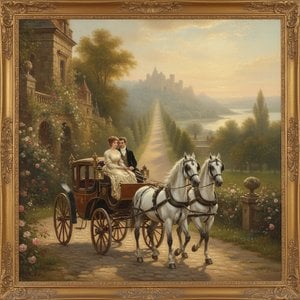
Embark on a visual journey through the romantic world of horse carriage art. Discover the mastery of equestrian oil paintings, from Impressionist textures to classical realism, and learn how to bring timeless elegance into your home with museum-quality reproductions.


 미리보기
미리보기
 공유하기
공유하기 공유하기
공유하기
 상세 정보
상세 정보 Guide
Guide

 다운로드
다운로드
 유사 작품
유사 작품 X-레이
X-레이 슬라이드 쇼
 통계 정보
통계 정보 더 보기
더 보기









 유리 옵션은 110cm 미만 크기에서만 선택 가능합니다.


