실제 크기로 보기 AR로 미리보기 프린트 판매로 전환 디지털 이미지 판매 채널로 전환 보내기
상세 보기 가이드 보기 즐겨찾기에 추가 이미지 다운로드 유사 작품 더 보기 X-레이 슬라이드 쇼 보기 통계 정보

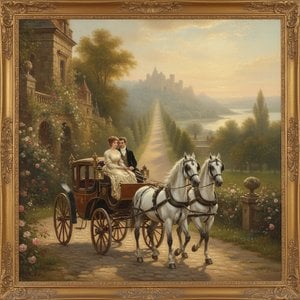
Noblemen before Constantinople

Admire 'Noblemen before Constantinople' by George Henry Laporte! A stunning 19th-century painting of riders & architecture. Explore this elegant artwork now.

Discover George Henry Laporte’s stunning animal paintings – horses, hunting scenes & more! Explore his legacy as an English artist of the 19th century.

핸드메이드 유화 복제화

작가가 직접 캔버스에 손으로 그린 유화 작품으로, 원하는 크기와 액자로 맞춤 제작해 드립니다. ( 프린트 판매로 전환 디지털 이미지 판매 채널로 전환)

P118B $10
P118H $10
P118W $10
P438Z $10
P508JH $12
P508YH $12
P805H $10
P805Z $10
P919BZ $10
P919G $10
P919XJ $10
P959ZH $10
P968JZ $12
W106C $8
W218G $10
W218JH $8
W218Y $10
W307PJ $10
W316G $10
W316PJ $8
W316Y $10
W398PJ $8
W4111J $10
W500HY $15
W500JH $15
W692G $12
W849H $8
W940BG $15
W953PJ $8

표준 규격
맞춤 제작
CM
INCH

작품의 원본 비율을 그대로 유지하는 프리셋 사이즈 중에서 선택해 보세요.

가로 너비
높이

특정 프레임이나 공간에 맞춰 원하는 크기를 직접 입력하실 수 있습니다. 선택하신 크기가 원본 이미지의 비율과 일치하지 않을 경우, 작품을 자르거나 추가적인 수작업 요소를 더해 그림을 확장하여 제작합니다. 제작 시작 전, 최종 확인을 위해 디지털 목업을 보내드립니다.
화면상의 미리 보기는 실제 크롭(자르기)이나 확장된 상태를 완벽히 반영하지 않을 수 있습니다. 최종 구도는 오직 목업을 통해서만 정확하게 확인하실 수 있습니다.
맞춤 크기 제작도 가능하지만, 원본의 비율을 그대로 유지하기 위해서는 미리 정의된 목록에서 크기를 선택하시는 것을 권장합니다.

변경 가능한 예시: 얼굴을 고객님의 사진으로 교체, 반려동물 추가(예: 고양이를 강아지로 변경), 배경에 숨겨진 메시지 삽입, 배경 풍경 또는 요소 변경 등
주문 완료 후 WahooArt.com 팀에서 상세 안내를 위해 고객님께 이메일을 보내드리며, 미리보기 시안을 함께 제공해 드립니다.

전 세계 배송()은 표준 5주 대신 3~4주 내에 완료됩니다. (25 9월). 품질에는 어떠한 타협도 하지 않습니다.

why_choose_icon
전 세계 무료 특급 배송
why_choose_icon
고품질 린넨 캔버스
why_choose_icon
배송 전 과정 보험 적용
why_choose_icon
관세 환급 보장 서비스
why_choose_icon
원본 색상 일치 보장
why_choose_icon
제조 결함 발견 시 100일 이내 반품 가능
why_choose_icon
100% 환불 보장
why_choose_icon
다량 구매 할인 혜택

총 결제 금액

$ 272

reproduction

Noblemen before Constantinople

재현 매체

복제본 규격

-

총 결제 금액

$ 272


작가 소개

A Brushstroke of Regency England: The Life and Art of George Henry Laporte

George Henry Laporte, a name perhaps less immediately recognizable than some of his contemporaries, nevertheless occupies a fascinating niche within the landscape of 19th-century British art. Born in London – though the precise year remains elusive – Laporte dedicated his life to capturing the grace and power of animals, particularly horses, with a skill that earned him both patronage and respect during his lifetime. He wasn’t merely documenting creatures; he was translating their spirit onto canvas, often within the romanticized context of sporting pursuits and exotic locales. While biographical details are sparse, the body of work left behind speaks volumes about an artist deeply attuned to the aesthetic sensibilities of the Regency era and beyond.

Early Influences and Artistic Development

Laporte’s artistic journey began in a period where animal painting was gaining prominence, fueled by a growing national interest in equestrianism and field sports. The tradition established by earlier masters like George Stubbs – whose anatomical precision and dramatic compositions were highly influential – undoubtedly shaped Laporte's early style. However, Laporte wasn’t simply an imitator. He quickly developed his own distinctive approach, characterized by a lighter touch and a more vibrant palette than many of his predecessors. His initial works often focused on hunting scenes, reflecting the popular pastimes of the English gentry. These paintings weren’t just records of events; they were carefully constructed narratives, imbued with a sense of energy and excitement. The meticulous depiction of horses – their musculature, movement, and expressions – became a hallmark of his work. He exhibited regularly at the Royal Society British Artists, gaining recognition for his ability to capture the dynamism of the chase and the beauty of the English countryside.

The Allure of the Exotic: Laporte’s Orientalist Leanings

As Laporte's career progressed, a noticeable shift in subject matter began to emerge. He became increasingly fascinated by Arabian horses and scenes from North Africa and the Middle East. This fascination reflects the broader Victorian interest in exotic cultures, fueled by expanding trade routes and colonial ambitions. His paintings of Arabian horses are particularly striking – they depict these animals not merely as mounts but as symbols of nobility, strength, and untamed freedom. The landscapes accompanying these figures are equally captivating, rendered with a keen eye for detail and an atmospheric quality that evokes the heat and mystery of distant lands. This foray into *Orientalist* art wasn’t simply about depicting foreign subjects; it was about exploring themes of adventure, romance, and cultural difference. He skillfully blended realistic depictions of horses with idealized representations of their surroundings, creating a world that appealed to the imagination of his patrons.

Patronage, Recognition, and Lasting Legacy

Laporte’s talent attracted a discerning clientele, including members of the aristocracy and wealthy landowners who appreciated his ability to capture the essence of sporting life and exotic beauty. His paintings adorned the walls of grand country estates and private collections, becoming symbols of status and refined taste. While he never achieved the widespread fame of Stubbs or Landseer, Laporte enjoyed a successful career as a professional artist, consistently exhibiting his work and earning the respect of his peers. His membership in the Royal Society British Artists was a testament to his artistic skill and standing within the art world. Today, George Henry Laporte’s paintings offer a valuable glimpse into the aesthetic preferences of 19th-century England. His works are admired for their technical proficiency, vibrant colors, and evocative storytelling. They represent a unique blend of sporting tradition, romantic idealism, and exotic fascination – a brushstroke of Regency elegance that continues to captivate audiences today.

Key Characteristics of Laporte’s Work

  • Masterful Depiction of Horses: Exceptional anatomical accuracy and ability to capture movement and expression.
  • Vibrant Palette: Use of rich, luminous colors that create a sense of energy and atmosphere.
  • Sporting Scenes: Detailed portrayals of hunting, racing, and other equestrian pursuits.
  • Orientalist Influence: Fascination with Arabian horses and scenes from North Africa and the Middle East.
  • Narrative Quality: Paintings often tell a story or evoke a particular mood.