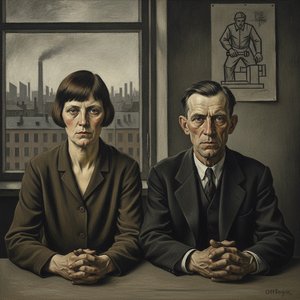
빠른 제작과 다양한 마감 옵션을 제공하는 박물관 품질의 지클레이 또는 캔버스 프린트. ( 손으로 그린 그림 구매 디지털 이미지로 전환)





























작품의 원본 비율을 유지하는 미리 설정된 크기 중에서 선택하세요.

특정 프레임이나 공간에 맞춰 직접 치수를 입력하실 수 있습니다. 선택하신 사이즈가 원본 이미지의 비율과 일치하지 않을 경우, 작품을 크롭(자르기)하거나 이미지를 대칭 또는 단색 채우기로 확장하여 제작합니다. 제작 시작 전, 최종 확인을 위해 디지털 목업이 전송됩니다.
화면상의 미리보기는 실제 크롭이나 확장 상태를 반영하지 않으므로, 최종 구도는 오직 목업을 통해서만 정확하게 확인하실 수 있습니다.
맞춤 사이즈 제작도 가능하지만, 원본 비율을 유지하기 위해서는 사전 정의된 목록에서 치수를 선택하시는 것을 권장합니다.

Café 1
복제본 크기
In the heart of a bustling, fractured Berlin, George Grosz captures a moment of suspended animation in his evocative work, Café 1. This painting serves as more than just a depiction of a social gathering; it is a vibrant, almost frenetic window into the urban pulse of the early twentieth century. As one gazes upon the canvas, the viewer is immediately swept into a crowded, atmospheric setting where the clinking of cups and the low hum of conversation seem to vibrate through the brushstrokes. The scene is populated by a diverse cast of characters—individuals caught in the quiet, mundane rituals of eating, drinking, and socializing—yet there is an underlying tension that suggests the world outside these cafe walls is far from stable. Through his masterful use of color and composition, Grosz invites us to witness the delicate dance of human connection amidst the encroaching shadows of a changing era.
The technique employed in Café 1 reflects the artist's unique ability to blend meticulous observation with a sharp, satirical edge. While his early training involved the disciplined study of Dutch masters, here we see a departure toward a more expressive and jagged aesthetic. The figures are rendered with a certain rhythmic energy, their forms defined by lines that feel both deliberate and urgent. The interplay of light and shadow across the dining tables creates a sense of depth, drawing the eye through the layers of the crowd toward the subtle details—a man in a tie, a woman lost in thought, and even the unexpected presence of birds that flutter near the periphery. This layering of detail ensures that every glance reveals something new, making the painting an endlessly engaging subject for close study.
Beyond its surface beauty, Café 1 functions as a profound piece of social commentary. Grosz, a chronicler of societal decay, uses the cafe setting as a microcosm of the Weimar Republic. The arrangement of people—some isolated in their own thoughts, others huddled in small groups—mirrors the fragmented nature of a society struggling to find its footing between tradition and modernity. The presence of the birds adds a layer of surrealist intrigue, perhaps symbolizing a fleeting sense of freedom or an external world that remains indifferent to the human drama unfolding within the cafe's walls. For the discerning collector, the painting offers a rich tapestry of meaning, where every object, from a simple coffee cup to a formal necktie, serves as a symbol of the social hierarchies and cultural shifts defining the age.
For interior designers and art enthusiasts alike, this reproduction offers a commanding presence that brings both historical weight and intellectual depth to any space. The painting’s palette, though colorful, possesses a sophisticated complexity that allows it to integrate seamlessly into both contemporary and classic decor. It acts as a conversation piece, sparking dialogue about history, sociology, and the enduring power of art to capture the human condition. To possess a hand-painted reproduction of Café 1 is to hold a fragment of Berlin's turbulent history, offering an emotional resonance that transcends time and provides a soulful focal point for any curated collection.

1893 - 1959 , 독일


 미리보기
미리보기
 공유하기
공유하기 공유하기
공유하기
 상세 정보
상세 정보

 다운로드
다운로드
 유사 작품
유사 작품 X-레이
X-레이 슬라이드 쇼
 통계 정보
통계 정보

 더 보기
더 보기









 유리 옵션은 110cm 미만 크기에서만 선택 가능합니다.