
 Oil On CanvasWallArtVerism
 1928Modern
 115.0 x 75.0 cm
빠른 제작과 다양한 마감 옵션을 제공하는 박물관 품질의 지클레이 또는 캔버스 프린트. ( 손으로 그린 그림 구매 디지털 이미지로 전환)





























작품의 원본 비율을 유지하는 미리 설정된 크기 중에서 선택하세요.

특정 프레임이나 공간에 맞춰 직접 치수를 입력하실 수 있습니다. 선택하신 사이즈가 원본 이미지의 비율과 일치하지 않을 경우, 작품을 크롭(자르기)하거나 이미지를 대칭 또는 단색 채우기로 확장하여 제작합니다. 제작 시작 전, 최종 확인을 위해 디지털 목업이 전송됩니다.
화면상의 미리보기는 실제 크롭이나 확장 상태를 반영하지 않으므로, 최종 구도는 오직 목업을 통해서만 정확하게 확인하실 수 있습니다.
맞춤 사이즈 제작도 가능하지만, 원본 비율을 유지하기 위해서는 사전 정의된 목록에서 치수를 선택하시는 것을 권장합니다.

Artist and Model
복제본 크기
George Grosz's "Artist and Model," painted in 1928, is a captivating representation of the complex relationship between an artist and his muse within the turbulent social landscape of Weimar Berlin. This oil on canvas masterpiece, measuring 115 x 75 cm, exemplifies the Verism style, known for its unflinching realism and critical portrayal of society.
George Grosz (1893-1959) was a German artist renowned for his satirical drawings and paintings depicting the decadence and social unrest prevalent in Berlin during the 1920s. A prominent figure within the Berlin Dada and New Objectivity movements, Grosz's work served as a sharp critique of bourgeois values and political corruption. His style is characterized by the use of oil on canvas, often employing exaggerated features and distorted perspectives to convey his message. He was born Georg Ehrenfried Groß in Stolp (now Słupsk, Poland), and later changed his name to George Grosz as a protest against German nationalism.
The painting depicts a nude female figure standing with her back turned to the viewer, positioned before a man who is presumably an artist holding a paintbrush. The composition creates a dynamic tension; the woman's averted gaze suggests vulnerability or perhaps defiance, while the artist’s posture implies observation and creative intent. A chair and two other figures in the background add depth and complexity to the scene. Grosz masterfully utilizes Verism techniques to render the figures with stark realism, highlighting their physical presence and emotional undertones. The setting is ambiguous, suggesting an outdoor studio or a private encounter.
Created during the Weimar Republic, a period of significant social and political upheaval in Germany, "Artist and Model" reflects the era's anxieties and moral ambiguities. The painting can be interpreted as a commentary on the commodification of women within the art world and the power dynamics inherent in artistic creation. Grosz’s work often satirized German society, exposing its hypocrisy and decadence. The choice to depict the model nude further emphasizes this critique, challenging conventional notions of beauty and representation. The painting's style aligns with New Objectivity (Neue Sachlichkeit), a movement that rejected Expressionism's emotional intensity in favor of a more detached and realistic portrayal of reality.
"Artist and Model" evokes a sense of melancholy and introspection. The muted color palette, dominated by earth tones, contributes to the painting’s somber mood. While seemingly straightforward, the work invites viewers to contemplate the complexities of human relationships, artistic inspiration, and the societal forces that shape our perceptions. Grosz's unflinching portrayal of reality continues to resonate with audiences today, solidifying his place as a significant figure in 20th-century art.


1893 - 1959 , 독일
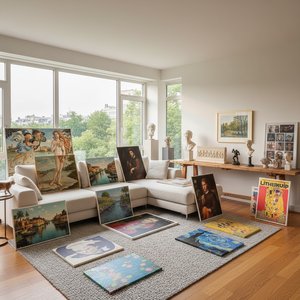
베를린 국립 박물관 최고 걸작 25선을 만나보세요. 네페르티티 흉상, 렘브란트 그림 등 역사와 예술이 담긴 명화를 감상하고 숨겨진 이야기를 탐구하세요. WahooArt에서 고품질 미술 복제화 및 인테리어 디자인 영감을 얻으세요! 지금 바로 컬렉션을 확인하세요.

Explore the fascinating history of the 'art model' through centuries of painting! Discover academic techniques, social contexts & the evolving role of models in art. WahooArt offers custom reproductions and expert consultation.

조르주 브라크의 시대를 초월한 25개의 걸작을 만나보세요. 입체주의를 개척한 프랑스 화가의 예술 세계와 숨겨진 이야기를 WahooArt에서 감상하고, 명작 유화 복제본으로 공간에 특별함을 더하세요. 지금 바로 컬렉션을 탐험하세요!

Explore the revolutionary Dada art movement! Discover its origins, key artists like Duchamp & Arp, and lasting impact on modern art. A deep dive into anti-art & challenging conventions.

조르주 쇠라의 대표작 25선을 만나보세요. 점묘법의 혁신과 빛, 색채의 아름다움이 담긴 명작들을 감상하고, 인테리어에 예술적인 영감을 더하세요. WahooArt.com에서 고품질 미술 작품을 컬렉션해보세요.


 미리보기
미리보기
 공유하기
공유하기 공유하기
공유하기
 상세 정보
상세 정보 가이드 보기

 다운로드
다운로드
 유사 작품
유사 작품 X-레이
X-레이 슬라이드 쇼
 통계 정보
통계 정보 더 보기
더 보기









 유리 옵션은 110cm 미만 크기에서만 선택 가능합니다.


