

이 페이지에 표시된 작품은 저작권법의 보호를 받으며, 이에 따라 동일한 복제품을 제작하거나 판매하는 것은 법으로 금지되어 있습니다. 이러한 권리 보호는 다음과 같은 국제 협약에 따라 시행됩니다. 베른 협약 또한 다음에서 명시하는 법률을 포함한 국내법에 의해 보호됩니다. 미국 저작권법 제17조.
이 방식은 저작권 보호를 받는 예술 작품을 복제하거나 그대로 재현하는 것이 아니기에 저작권 규정을 완벽히 준수합니다. 대신, 이는 창의적인 재해석의 과정을 거칩니다. 즉, 원작에서 영감을 받되 원작과 동일하지 않은 새로운 회화 작품을 의미합니다.
빠른 제작과 다양한 마감 옵션을 선택할 수 있는 박물관 수준의 지클레이 및 캔버스 프린트. ( 수작업 채색 복제본 주문하기 디지털 이미지 판매 채널로 전환)
작품의 원본 비율을 그대로 유지하는 프리셋 사이즈 중에서 선택해 보세요.

액자나 벽면 크기에 맞춰 필요한 가로와 세로 길이를 입력해 주세요. 프린트는 원본 이미지보다 크게 제작할 수 없으며 오직 자르는 것만 가능하므로, 비율이 다른 사이즈를 선택할 경우 이미지의 일부가 잘려 나갈 수 있습니다. 인쇄 작업에 들어가기 전, 최종 확인을 위해 디지털 목업을 보내드립니다. 이 페이지에 표시된 이미지는 실제 잘리는 영역을 나타내지 않으며, 오직 목업을 통해서만 정확한 확인이 가능합니다.
Ida Lewis
복제본 규격

In the grand tapestry of rock and roll history, few threads are as intricately woven or as harmoniously resonant as those spun by George Edward Smith. Born in Stroudsburg, Pennsylvania, in 1952, Smith’s journey is not merely a chronicle of musical notes, but an epic saga of collaboration and sonic exploration. From his earliest days, when the tactile magic of a C.F. Martin guitar first met his young hands, Smith possessed an innate understanding of rhythm and melody that would eventually place him at the heart of some of the most iconic performances in modern music. His very name carries the weight of a craftsman, a sentiment echoed by his roots; born George Edward Haddad, he carries a lineage that speaks to the strength and precision of a blacksmith, much like the sturdy, reliable, yet brilliantly shining melodies he delivers through his strings.
The 1980s marked a period of unparalleled brilliance for Smith, as he emerged as the definitive lead guitarist for the legendary duo Hall & Oates. During their golden era, Smith was much more than a sideman; he was a cornerstone of their distinctive sound, providing the intricate instrumentation that allowed their soulful vocals to soar. His presence on several number one singles helped define an era of pop-rock perfection, blending smooth textures with a sharp, rhythmic edge. This period of his life was characterized by a mastery of the studio and the stage alike, establishing him as a musician capable of navigating the delicate balance between commercial appeal and artistic depth.
As the decade turned, Smith’s artistry underwent a fascinating evolution, moving from the polished studios of pop stardom to the vibrant, unpredictable energy of live television. His tenure as the bandleader and co-musical director for the Saturday Night Live Band allowed him to showcase a different facet of his genius—one rooted in spontaneity, versatility, and the ability to anchor a chaotic ensemble with grace. In this role, he became a household name, a conductor of musical comedy who could pivot from bluesy riffs to rock anthems with effortless command. This era was not just about performance; it was about leadership, as he guided the house band through the cultural zeitgeist of late-night television.
Beyond the bright lights of television, Smith’s career is a map of legendary encounters. He became a trusted collaborator for the titans of the genre, serving as the inaugural lead guitarist for Bob Dylan’s Never Ending Tour between 1988 and 1990. To play alongside Dylan during such a pivotal moment in his artistic revival required a musician of profound sensitivity—one capable of supporting a legend without overshadowing the narrative. This spirit of collaboration extended to even more monumental stages, including his role in directing and performing at the historic The Concert at Madison Square Garden in 1992, and later joining Roger Waters for the massive The Wall Live Tour. In these settings, Smith’s playing took on a cinematic quality, helping to recreate the monumental legacies of Pink Floyd for new generations.
The true significance of G.E. Smith lies in his ability to remain a vital force across decades of shifting musical landscapes. His discography, ranging from the early solo efforts like In the World (1981) to more recent collaborations such as Stony Hill (2020), demonstrates a lifelong commitment to growth and experimentation. He has shared stages and recording booths with an incredible pantheon of talent, including:
Ultimately, the career of George Edward Smith is a testament to the power of the ensemble player who possesses the soul of a soloist. He has navigated the heights of pop stardom, the prestige of television leadership, and the profound responsibility of supporting musical icons. His legacy is etched not just in the grooves of countless records, but in the very atmosphere of rock history—a continuous, melodic thread that connects the legends of the past to the innovators of the present.

1952 - , United States of America

Explore the profound evolution of contemporary photography through a connoisseur's lens. From monochrome mastery to digital innovation, discover how modern photographic works shape fine art collections and define our cultural legacy.

Explore the profound artistry of black and white photography. From historical mastery to the interplay of light and shadow, discover how monochrome captures timeless emotion and form through a sophisticated lens of art history.
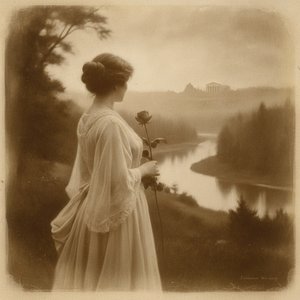
Explore the profound history of Pictorialism, the revolutionary movement that elevated photography to a fine art. Uncover how visionaries used painterly techniques and soft focus to transcend mere documentation, imbuing the lens with the emotional depth of classical masterpieces.

 실제 크기로 보기
 보내기
보내기 공유하기
공유하기
 상세 보기
상세 보기 가이드 보기

 이미지 다운로드
 유사 작품 더 보기
 X-레이
X-레이 슬라이드 쇼 보기
 Q&A
Q&A 통계 정보
통계 정보


 상세 보기
상세 보기






































 유리 옵션은 110cm 미만 크기에서만 선택 가능합니다.


