
x


빠른 제작과 다양한 마감 옵션을 제공하는 박물관 품질의 지클레이 또는 캔버스 프린트. ( 손으로 그린 그림 구매 이미지 구매)





























작품의 원본 비율을 유지하는 미리 설정된 크기 중에서 선택하세요.

특정 프레임이나 공간에 맞춰 직접 치수를 입력하실 수 있습니다. 선택하신 사이즈가 원본 이미지의 비율과 일치하지 않을 경우, 작품을 크롭(자르기)하거나 이미지를 대칭 또는 단색 채우기로 확장하여 제작합니다. 제작 시작 전, 최종 확인을 위해 디지털 목업이 전송됩니다.
화면상의 미리보기는 실제 크롭이나 확장 상태를 반영하지 않으므로, 최종 구도는 오직 목업을 통해서만 정확하게 확인하실 수 있습니다.
맞춤 사이즈 제작도 가능하지만, 원본 비율을 유지하기 위해서는 사전 정의된 목록에서 치수를 선택하시는 것을 권장합니다.

Self-Portrait with Spider
복제본 크기
“Self-Portrait with Spider,” created by Georg Friedrich Schmidt in 1758, is more than just a depiction of an artist at his desk; it's a meticulously crafted window into the intellectual and emotional landscape of the late 18th century. Executed as a monochrome etching on paper, this work exemplifies the hallmarks of the Rococo style – a delicate balance between elegance, introspection, and subtle symbolism – while showcasing Schmidt’s mastery of printmaking technique. The piece, currently residing in the Kunsthalle Bremen, offers a compelling glimpse into the artistic sensibilities of a man grappling with his craft and perhaps, with the complexities of human existence.
Schmidt’s skill as an etcher is immediately apparent. The artwork relies almost entirely on intricate linework, achieved through painstaking hatching and cross-hatching techniques. This deliberate manipulation of line density creates a remarkable tonal range within the monochrome palette, generating a convincing illusion of form and shadow. The artist employed a drypoint needle – a tool that allows for a slightly roughened surface when pressed into the copper plate – adding texture and depth to the image. The process itself was demanding: ink was meticulously applied to the prepared plate, carefully wiped away to reveal only the lines intended for transfer, and finally, the paper was pressed onto the inked surface, resulting in a crisp, detailed print. The precision and control demonstrated are hallmarks of Schmidt’s dedication to his craft.
Beyond its technical prowess, “Self-Portrait with Spider” is rich in symbolic potential. The inclusion of the spider itself – crawling across the wall – immediately draws the viewer’s attention and invites interpretation. Traditionally associated with creativity, patience, and even cunning, the spider could represent Schmidt's artistic process, his meticulous approach to detail, or perhaps a darker reflection on human nature. The artist’s gaze, directed out of the window towards an unseen landscape, suggests introspection and a contemplative mood. The setting – a simple desk adorned with writing implements and bottles – reinforces this sense of quiet engagement with thought and creation. The slightly off-center composition adds to the work's subtle unease, mirroring perhaps the anxieties inherent in artistic endeavor.
Created in 1758, “Self-Portrait with Spider” firmly places Schmidt within the context of the Rococo period. This style, flourishing across Europe – particularly in France and Prussia – emphasized grace, elegance, and a sense of playful sophistication. Schmidt’s work reflects this aesthetic through its refined details, delicate lines, and emphasis on capturing subtle expressions. His artistic journey was significantly shaped by his connections within the Prussian court, fostered through friendships with figures like Antoine Pesne and Nicolas Lancret, allowing him access to Parisian artistic circles and further refining his style. The piece stands as a testament to the importance of patronage in supporting artistic development during this era.


1712 - 1775 , 독일

Master the nuances of Giclée printing with our expert guide. Discover how pigment-based inks and museum-grade substrates create fade-resistant, high-fidelity art reproductions designed for discerning collectors seeking unparalleled quality and longevity.
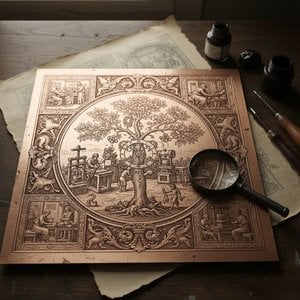
Explore the intricate world of etching and intaglio printmaking. Discover how masters use acid and metal to create profound textures and lines, from Romanticism to modern era, through an expert lens of art history and technical mastery.


최신 미술 뉴스, 특별 혜택 및 인테리어 아이디어를 가장 먼저 만나보세요.
프로젝트에 대해 알려주시면 저희 미술 전문가들이 맞춤형 아트 제안 3가지를 전달해 드립니다.
당신만을 위한 맞춤형 옵션 3가지를 무료로 추천해 드립니다!


 미리보기
미리보기
 공유하기
공유하기 공유하기
공유하기
 상세 정보
상세 정보

 다운로드
다운로드
 유사 작품
유사 작품 X-레이
X-레이 슬라이드 쇼


 더 보기
더 보기









 유리 옵션은 110cm 미만 크기에서만 선택 가능합니다.


