
 TemperaInternational Gothic
 1423Renaissance
 32.0 x 75.0 cm
 우피치 미술관
빠른 제작과 다양한 마감 옵션을 제공하는 박물관 품질의 지클레이 또는 캔버스 프린트. ( 손으로 그린 그림 구매 디지털 이미지로 전환)





























작품의 원본 비율을 유지하는 미리 설정된 크기 중에서 선택하세요.

특정 프레임이나 공간에 맞춰 직접 치수를 입력하실 수 있습니다. 선택하신 사이즈가 원본 이미지의 비율과 일치하지 않을 경우, 작품을 크롭(자르기)하거나 이미지를 대칭 또는 단색 채우기로 확장하여 제작합니다. 제작 시작 전, 최종 확인을 위해 디지털 목업이 전송됩니다.
화면상의 미리보기는 실제 크롭이나 확장 상태를 반영하지 않으므로, 최종 구도는 오직 목업을 통해서만 정확하게 확인하실 수 있습니다.
맞춤 사이즈 제작도 가능하지만, 원본 비율을 유지하기 위해서는 사전 정의된 목록에서 치수를 선택하시는 것을 권장합니다.

Nativity
복제본 크기
To stand before a depiction like Gentile da Fabriano’s Nativity is to step across the threshold of six centuries and into the luminous heart of the early Renaissance. This masterpiece, painted in 1423, is far more than a mere recounting of a biblical event; it is an opulent meditation on humility, divinity, and the profound moment when the divine entered the mortal realm. The air around the canvas seems thick with the scent of incense and the quiet awe of shepherds gathered for the first time to witness such glory. Gentile da Fabriano, a master whose style epitomizes the grace of the International Gothic period, captures this sacred drama with an almost breathtaking delicacy.
The technical brilliance evident in this work is immediately apparent. Executed in tempera on wood, the medium itself speaks to the craftsmanship of its era, allowing Da Fabriano to achieve colors that remain startlingly vibrant even after so many decades. Observe the meticulous detail—the intricate patterns adorning the Virgin Mary’s blue cloak, or the soft, ethereal glow emanating from the stars scattered across the mountainous night sky. This attention to minute surface quality is a hallmark of his genius. The composition itself guides the eye with practiced elegance: the central focus remains on the kneeling Mary beside the swaddled infant Jesus, while the surrounding figures—the angels and shepherds—are rendered with lifelike grace, their traditional robes adding rich texture to the scene.
Every element within this painting seems imbued with symbolic weight. The humble bed of straw upon which the Christ Child rests serves as a powerful contrast to the surrounding grandeur, emphasizing the profound nature of his birth. Look beyond the central figures and notice the inclusion of the ox and the donkey; these animals are not mere props but potent symbols echoing the narrative of the Nativity itself. Furthermore, the distant castle nestled within the mountainous landscape grounds this heavenly event in a tangible, if idealized, setting. These carefully placed symbols invite the viewer into a deeper contemplation, transforming the painting from a portrait into a rich theological dialogue.
What truly endures about this Nativity is its emotional resonance. Despite the formality inherent in Renaissance religious art, Da Fabriano manages to infuse the scene with palpable warmth and wonder. The shepherds’ postures suggest awe mixed with reverence, while the angels radiate a celestial joy that seems almost audible. For the modern admirer, whether one cherishes historical artistry or seeks an object of profound beauty for their home, this piece offers a window into a time when art served as both devotion and supreme aesthetic pleasure. Owning a reproduction allows one to bring this enduring sense of sacred wonder and unparalleled artistic history into contemporary life.


1370 - 1427
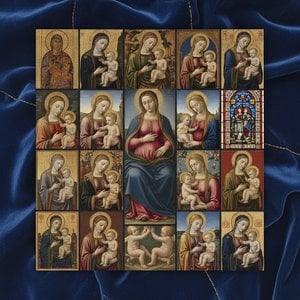
Embark on a sophisticated journey through art history with our curated guide to the most iconic Madonna and Child masterpieces. Discover the profound beauty, theological depth, and enduring legacy of these sacred Renaissance treasures.


 미리보기
미리보기
 공유하기
공유하기 공유하기
공유하기
 상세 정보
상세 정보

 다운로드
다운로드
 유사 작품
유사 작품 X-레이
X-레이 슬라이드 쇼
 통계 정보
통계 정보 더 보기
더 보기









 유리 옵션은 110cm 미만 크기에서만 선택 가능합니다.


