x


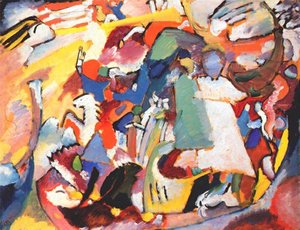
 PaintingCubism
 1975Modern
 87.0 x 114.0 cm
 Pinacoteca Universidad de Colima
빠른 제작과 다양한 마감 옵션을 제공하는 박물관 품질의 지클레이 또는 캔버스 프린트. ( 손으로 그린 그림 구매 이미지 구매)





























작품의 원본 비율을 유지하는 미리 설정된 크기 중에서 선택하세요.

특정 프레임이나 공간에 맞춰 직접 치수를 입력하실 수 있습니다. 선택하신 사이즈가 원본 이미지의 비율과 일치하지 않을 경우, 작품을 크롭(자르기)하거나 이미지를 대칭 또는 단색 채우기로 확장하여 제작합니다. 제작 시작 전, 최종 확인을 위해 디지털 목업이 전송됩니다.
화면상의 미리보기는 실제 크롭이나 확장 상태를 반영하지 않으므로, 최종 구도는 오직 목업을 통해서만 정확하게 확인하실 수 있습니다.
맞춤 사이즈 제작도 가능하지만, 원본 비율을 유지하기 위해서는 사전 정의된 목록에서 치수를 선택하시는 것을 권장합니다.

The dance
복제본 크기

In the grand tapestry of Mexican modernism, few artists managed to weave together the structural rigor of European avant-garde with the soulful warmth of regional tradition as masterfully as Gabriel Portly Del Toro. Born in 1927 in the culturally rich landscape of Colima, Mexico, his life and work served as a bridge between the monumental social realism of the muralist movement and the fragmented, rhythmic beauty of Cubism. His artistic journey was not merely a pursuit of aesthetic perfection but a profound exploration of identity, where the geometric precision of modern art met the sun-drenched, folkloric essence of his homeland.
Portillo del Toro’s early years were deeply rooted in the textures of Colima, an environment that nurtured his initial appreciation for indigenous art forms and local folklore. This foundational connection to Mexican heritage would later become the heartbeat of his compositions. Seeking to refine this raw, intuitive talent, he pursued formal studies at the Universidad Nacional Autónoma de México (UNAM). It was within these hallowed halls that he encountered the towering shadows of legends like Diego Rivera and José Clemente Orozco. While he absorbed their commitment to art as a vehicle for national consciousness, Portillo del Toro chose a different path—one that moved away from strictly didactic social realism toward a more lyrical, abstract language of form and color.
As his style matured, the influence of Cubism became the defining architectural element of his oeuvre. Inspired by the revolutionary techniques of Picasso and Braque, he embraced the fragmentation of perspective, allowing him to depict multiple viewpoints within a single plane. Yet, unlike the often austere or intellectualized Cubism of Europe, Portillo del Toro infused his geometric compositions with a vibrant, pulsating energy. He utilized bold, deliberate strokes to define shapes, yet his brushwork remained fluid, breathing life into every canvas so that even the most structured forms seemed to vibrate with movement.
His subject matter often returned to the serene and the pastoral, finding extraordinary beauty in the everyday rhythms of Mexican life. His paintings frequently act as windows into sun-soaked moments, where the boundaries between humanity and nature dissolve:
Beyond the individual beauty of his canvases, Gabriel Portillo del Toro’s significance lies in his role as a transitional figure in Mexican art history. He proved that the revolutionary spirit of the muralists could be translated into a more personal, decorative, and abstract vocabulary without losing its cultural soul. His monumental murals, which adorned public spaces across Mexico, solidified his reputation as an artist capable of commanding large-scale narratives, while his smaller paintings offered a more intimate dialogue with the viewer.
Through his death in 2013, a significant chapter of Mexican modernism closed, yet his legacy remains vibrant. His work continues to resonate with collectors and scholars because it refuses to be categorized solely as either traditional or abstract. Instead, it exists in that magical, liminal space where the geometric precision of the modern age meets the eternal, sun-drenched spirit of Mexico. To look upon a Portillo del Toro painting is to witness a lasting dialogue between form and feeling, a legacy of color that continues to illuminate the history of Latin American art.

1927 - 2013 , Mexico

Find joy & inspiration! Explore 10 iconic artworks – Van Gogh, Monet, Renoir & more – that radiate happiness. Discover the stories behind these masterpieces and bring uplifting art into your home with museum-quality reproductions from WahooArt.com.
빛과 색채의 마법사 르누아르! 인상주의 대표 화가 르누아르의 명작 25선을 만나보세요. '물랭 드 라 갈레트', '우산 속의 소녀들' 등 시대를 초월하는 아름다움을 WahooArt에서 감상하고, 특별한 공간을 완성하세요. 지금 바로 온라인 컬렉션을 탐험하세요!

Explore the exquisite costume studies of Albert Kretschmer (1825-1891). Discover his detailed illustrations, influence on art history & connection to early Expressionism. Learn about collecting this remarkable artist's work.

Explore the life & art of Sir Nathaniel Dance-Holland, a leading Georgian portraitist. Discover his masterful technique, influential patrons, and lasting impact on 18th-century British society. A guide for discerning collectors.
앙리 마티스의 시대를 초월하는 걸작 25선을 만나보세요. 색채주의, 야수파를 대표하는 그의 삶과 예술 세계를 탐험하고, WahooArt에서 명화 복제본으로 거실 인테리어에 감동을 더하세요. 지금 바로 컬렉션을 확인하세요!


최신 미술 뉴스, 특별 혜택 및 인테리어 아이디어를 가장 먼저 만나보세요.
프로젝트에 대해 알려주시면 저희 미술 전문가들이 맞춤형 아트 제안 3가지를 전달해 드립니다.
당신만을 위한 맞춤형 옵션 3가지를 무료로 추천해 드립니다!


 미리보기
미리보기
 공유하기
공유하기 공유하기
공유하기
 상세 정보
상세 정보

 다운로드
다운로드
 유사 작품
유사 작품 X-레이
X-레이 슬라이드 쇼
 더 보기
더 보기









 유리 옵션은 110cm 미만 크기에서만 선택 가능합니다.