

작가가 직접 캔버스에 손으로 그린 유화 작품으로, 원하는 크기와 액자로 맞춤 제작해 드립니다. ( 프린트 판매로 전환 디지털 이미지 판매 채널로 전환)





























작품의 원본 비율을 그대로 유지하는 프리셋 사이즈 중에서 선택해 보세요.

액자나 벽면 크기에 맞춰 필요한 가로와 세로 길이를 입력해 주세요. 본 작품은 수작업으로 제작되므로, 요청하신 비율에 따라 작가가 그림의 가장자리를 조금 더 넓게 그리거나 일부를 조정하여 작업할 수 있습니다. 작업 시작 전, 최종 확인을 위해 디지털 목업 이미지를 보내드립니다. 이 페이지에 표시된 이미지는 실제 결과물과 다를 수 있으며, 오직 목업 이미지만이 정확한 결과물을 보여줍니다.
Weeping Coconuts
복제본 규격
In the quiet, evocative depths of Frida Kahlo’s 1951 masterpiece, "Weeping Coconuts", we encounter a world where the boundaries between the organic and the emotional dissolve. This painting is far more than a mere study of tropical fruit; it is a profound, surrealist meditation on the human condition. At first glance, the viewer is met with a vibrant still life, yet a closer gaze reveals a haunting transformation. The coconuts, rendered with a startlingly anthropomorphic quality, appear to possess eyes and mouths that weep, turning a mundane bowl of fruit into a vessel for profound grief. This unsettling imagery serves as a window into Kahlo’s inner landscape, where the physical pain of her lifelong medical struggles meets an unyielding spiritual strength.
The technique employed in this work showcases Kahlo’s mastery of oil on board. Her brushwork is a delicate balance of meticulous precision and expressive fluidity. She layers colors to create a luminous surface, allowing light to dance across the textures of the fruit, from the rough, earthy husiness of the coconuts to the smooth, bright skins of apples and oranges. This interplay of light and shadow does not merely define form; it breathes life into the inanimate. For collectors and lovers of fine art, this technical brilliance offers a captivating visual experience that commands attention, making it a centerpiece capable of anchoring any sophisticated interior with its depth and complexity.
To understand "Weeping Coconuts" is to understand the cultural and personal tapestry of Frida Kahlo. The painting is steeped in the symbolism of Mexicanidad, where elements of nature are often imbued with political and social significance. The coconut, a symbol of fertility and abundance in many Latin American traditions, is here presented in a state of vulnerability. By imbuing these fruits with the ability to mourn, Kahlo bridges the gap between the external world and her internal reality. The presence of skulls within the composition further reinforces the memento mori tradition, reminding the viewer of the cyclical nature of life, death, and the persistence of memory.
The emotional impact of the piece lies in its ability to transform suffering into something beautiful and enduring. As Kahlo navigated her final years, often accompanied by intense physical agony, her art became a way to transmute pain into a legacy of resilience. For an interior designer or a discerning collector, bringing a reproduction of this work into a space introduces a narrative of profound strength. It is a conversation piece that invites contemplation, offering a sense of soulful gravity and a reminder that even in our most vulnerable moments, there is a capacity for transformative beauty.
프리다 칼로의 "Weeping Coconuts"의 Dark 색조는 Melancholic 분위기와 조화를 이룹니다. 색채는 작품이 감정을 전달하는 중요한 방식 중 하나입니다.
Dark 색조를 담은 프리다 칼로의 "Weeping Coconuts"는 Living Room에 배치하시길 추천드립니다. 이 작품의 색감이 이러한 제안의 이유이기도 합니다.
"Weeping Coconuts"의 전체적인 밝기는 deep_shadow이며, 휘도는 Dark입니다.

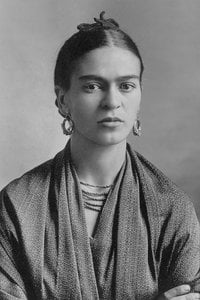
1907 - 1954 , 멕시코

Embark on a profound journey through Frida Kahlo's most iconic masterpieces. Discover the deep symbolism, Mexican heritage, and resilient spirit behind her legendary works in this expert art-historical exploration designed for true art enthusiasts.

Discover the profound allure of oil on canvas. Explore the mastery of impasto textures, the science of pigment longevity, and expert guides to selecting museum-quality reproductions that elevate your collection with timeless elegance and tactile depth.

 실제 크기로 보기
 보내기
보내기 공유하기
공유하기
 상세 보기
상세 보기 가이드 보기

 이미지 다운로드
 유사 작품 더 보기
 X-레이
X-레이 슬라이드 쇼 보기
 통계 정보
통계 정보

 상세 보기
상세 보기









 유리 옵션은 110cm 미만 크기에서만 선택 가능합니다.


