
빠른 제작과 다양한 마감 옵션을 제공하는 박물관 품질의 지클레이 또는 캔버스 프린트. ( 손으로 그린 그림 구매 디지털 이미지로 전환)





























작품의 원본 비율을 유지하는 미리 설정된 크기 중에서 선택하세요.

특정 프레임이나 공간에 맞춰 직접 치수를 입력하실 수 있습니다. 선택하신 사이즈가 원본 이미지의 비율과 일치하지 않을 경우, 작품을 크롭(자르기)하거나 이미지를 대칭 또는 단색 채우기로 확장하여 제작합니다. 제작 시작 전, 최종 확인을 위해 디지털 목업이 전송됩니다.
화면상의 미리보기는 실제 크롭이나 확장 상태를 반영하지 않으므로, 최종 구도는 오직 목업을 통해서만 정확하게 확인하실 수 있습니다.
맞춤 사이즈 제작도 가능하지만, 원본 비율을 유지하기 위해서는 사전 정의된 목록에서 치수를 선택하시는 것을 권장합니다.

View of Central Park
복제본 크기
This captivating painting offers a rare and intriguing departure from Frida Kahlo’s celebrated self-portraits, revealing her ability to imbue landscape with the same emotional weight and symbolic resonance found throughout her oeuvre. While less known than her intensely personal depictions of pain and identity, View of Central Park demonstrates Kahlo's versatility and artistic depth.
The painting presents a surreal interpretation of Central Park, skillfully blending natural elements – lush trees, verdant grass, and a tranquil pond – with an unexpected urban intrusion: a house visible on the right side. This juxtaposition immediately creates a sense of displacement and invites contemplation. The composition utilizes depth through layering of trees, drawing the eye into the scene while maintaining a dreamlike quality. It’s not a literal depiction of the park, but rather a psychological landscape filtered through Kahlo's unique perspective.
Though often categorized as Surrealist, Kahlo herself resisted this label. However, View of Central Park undeniably exhibits elements characteristic of the movement – distorted reality, symbolic imagery, and an exploration of the subconscious. The painting’s style leans towards a naïve folk art aesthetic, reminiscent of traditional Mexican retablos (votive paintings). While details regarding Kahlo's technique for this specific piece are currently unknown, her broader practice involved meticulous brushwork and vibrant color palettes, likely employed here to create both visual appeal and emotional impact. The use of color is subtle yet effective, contributing to the overall mood of serene melancholy.
Created sometime during Kahlo’s life (1907-1954), this work likely dates from a period when she and Diego Rivera were traveling in the United States. This painting is particularly interesting as it diverges from her typical focus on Mexican identity and personal suffering, suggesting an attempt to process new surroundings and experiences. It’s a fascinating example of how Kahlo adapted her artistic language to depict environments outside of her native Mexico. The inclusion of a house hints at themes of domesticity and perhaps even longing or isolation – recurring motifs in her work.
Despite the seemingly idyllic setting, View of Central Park evokes a sense of quiet solitude and underlying unease. The surreal elements prevent it from being simply a pleasant landscape; instead, it feels like a memory or a dream – fragmented and emotionally charged. The house, standing apart within the natural expanse, can be interpreted as representing a desire for home, a feeling of displacement, or perhaps even the constraints of domestic life. The painting invites viewers to project their own feelings onto the scene, creating a deeply personal connection. It speaks to the universal human experience of finding oneself both within and apart from one’s surroundings.
This piece would be stunning in a variety of settings:
Consider framing the artwork in a simple, natural wood frame to allow the painting itself to take center stage. Avoid overly ornate frames that might distract from its delicate beauty. View of Central Park is more than just a landscape; it’s a window into Frida Kahlo's complex inner world and a testament to her enduring artistic vision – an intimate reflection on belonging, displacement, and the search for emotional resonance.

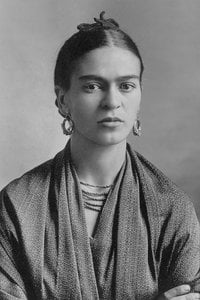
1907 - 1954 , 멕시코

Discover the profound allure of oil on canvas. Explore the mastery of impasto textures, the science of pigment longevity, and expert guides to selecting museum-quality reproductions that elevate your collection with timeless elegance and tactile depth.

Embark on a profound journey through Frida Kahlo's most iconic masterpieces. Discover the deep symbolism, Mexican heritage, and resilient spirit behind her legendary works in this expert art-historical exploration designed for true art enthusiasts.

Elevate your collection with the tactile elegance of hand-painted oil masterpieces. From bespoke reproductions to custom portraits from photography, discover museum-quality artistry crafted by academy-trained experts for discerning collectors and designers worldwide.

Embark on a visual journey through the soul of Mexican art. Explore the profound legacy of muralism, folk traditions, and revolutionary masters like Rivera and Orozco in this deep cultural exploration of color, symbolism, and identity.


 미리보기
미리보기
 공유하기
공유하기 공유하기
공유하기
 상세 정보
상세 정보

 다운로드
다운로드
 유사 작품
유사 작품 X-레이
X-레이 슬라이드 쇼
 통계 정보
통계 정보

 더 보기
더 보기









 유리 옵션은 110cm 미만 크기에서만 선택 가능합니다.


