A Portrait of Pain and Resilience: Decoding Frida Kahlo’s “Untitled (459)”
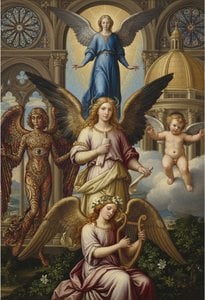
Frida Kahlo's "Untitled (459)" stands as a haunting testament to the artist’s unwavering spirit amidst profound physical and emotional suffering—a cornerstone of Surrealist art and a deeply personal exploration of identity, mortality, and feminine experience. Painted in 1953, shortly before her passing, this enigmatic canvas transcends mere visual representation; it's an invitation into Kahlo’s inner world, meticulously crafted with symbolic imagery that continues to resonate powerfully today. The photograph itself captures the artwork's rich textures and nuanced details, showcasing Kahlo’s masterful command of technique—primarily oil on canvas—characterized by a deliberate blending of colors and meticulous layering to achieve remarkable luminosity and depth.
- Subject Matter: The composition centers around a man in formal attire and a woman adorned with an angel's wings or saintly halo, positioned against a backdrop teeming with symbolic objects – a skull representing death, a bird symbolizing freedom and rebirth, a clock signifying the passage of time and inescapable fate, and a violin hinting at musical expression and emotional vulnerability.
- Style: Kahlo’s work firmly resides within the Surrealist movement championed by André Breton, yet it diverges from purely fantastical explorations. Instead, she employs dreamlike imagery to confront anxieties about pain, trauma, and the complexities of human existence—a technique rooted in her own experiences with polio and a devastating bus accident that irrevocably altered her life trajectory.
- Technique: Kahlo’s meticulous brushstrokes contribute to the painting's palpable atmosphere. She utilized a layering process known as *velatura*, applying thin glazes of color over subsequent layers to build up tonal variations and create an illusionistic effect—a hallmark of Renaissance painting adapted for the Surrealist idiom.
Historical Context: Surrealism and Kahlo’s Artistic Vision
The Surrealist movement emerged in the wake of World War I, rejecting rational thought and embracing the subconscious mind as a source of artistic inspiration. Breton sought to liberate art from the constraints of logic and reason, advocating for experimentation with automatism—a technique involving spontaneous drawing or painting without conscious control—to tap into hidden impulses and desires. Kahlo’s engagement with Surrealism wasn't merely stylistic; it reflected her profound preoccupation with confronting existential anxieties and reclaiming agency in a world marked by trauma and vulnerability. Her art served as a conduit for expressing unspoken emotions and challenging societal expectations regarding femininity and suffering.
Symbolism: Layers of Meaning Within the Canvas
“Untitled (459)” is replete with symbols that speak to Kahlo’s personal struggles and broader philosophical concerns. The skull, prominently displayed on the woman's shoulder, embodies mortality but also represents resilience—a reminder that beauty can emerge from darkness and decay. The angel halo signifies purity and spirituality, juxtaposed against the stark reality of human suffering. The bird symbolizes hope and aspiration, striving for liberation from confinement. Even the violin evokes memories of music and emotional expression, mirroring Kahlo’s own artistic vocation and her ability to transform pain into art.
Emotional Impact: A Window Into Kahlo's Soul
Ultimately, “Untitled (459)” transcends its formal elements to convey a profound sense of melancholy and introspection—a glimpse into Kahlo’s inner landscape as she wrestled with questions of identity, trauma, and the human condition. The painting compels viewers to confront uncomfortable truths about mortality and vulnerability while simultaneously celebrating the transformative power of art to articulate unspoken emotions and reclaim agency amidst adversity. It remains an enduring masterpiece, embodying Frida Kahlo's unwavering commitment to portraying her own experiences with unflinching honesty and artistic brilliance.