x


 OilWallArtSurrealist/Naive Art
 1940High Medieval
 99.0 x 74.0 cm
빠른 제작과 다양한 마감 옵션을 제공하는 박물관 품질의 지클레이 또는 캔버스 프린트. ( 손으로 그린 그림 구매 이미지 구매)





























작품의 원본 비율을 유지하는 미리 설정된 크기 중에서 선택하세요.

특정 프레임이나 공간에 맞춰 직접 치수를 입력하실 수 있습니다. 선택하신 사이즈가 원본 이미지의 비율과 일치하지 않을 경우, 작품을 크롭(자르기)하거나 이미지를 대칭 또는 단색 채우기로 확장하여 제작합니다. 제작 시작 전, 최종 확인을 위해 디지털 목업이 전송됩니다.
화면상의 미리보기는 실제 크롭이나 확장 상태를 반영하지 않으므로, 최종 구도는 오직 목업을 통해서만 정확하게 확인하실 수 있습니다.
맞춤 사이즈 제작도 가능하지만, 원본 비율을 유지하기 위해서는 사전 정의된 목록에서 치수를 선택하시는 것을 권장합니다.

The Dream (The Bed)
복제본 크기
Frida Kahlo's "The Dream (The Bed)," painted in 1940, isn’t merely a depiction of a bed; it’s a profoundly unsettling and intensely personal exploration of mortality, identity, and the very nature of dreams. This oil on canvas, measuring 99 x 74 cm, transcends simple representation, plunging the viewer into a surreal landscape populated by stark symbolism and echoing with Kahlo's own turbulent inner world. The painting immediately confronts us with an unsettling scene: two skeletal figures intertwined in a bed, their heads resting upon pillows – a visual paradox that instantly establishes the artwork’s preoccupation with death and its proximity to life.
Kahlo’s stylistic choices are crucial to understanding the work's power. Classified as Naive Art/Primitivism Surrealism, “The Dream (The Bed)” reflects her deliberate rejection of academic realism in favor of a raw, emotionally driven approach. The vibrant yet muted palette—dominated by earthy tones punctuated by flashes of green and yellow—creates an atmosphere of both decay and nascent life. Her signature use of meticulous detail, particularly evident in the rendering of the bedclothes and the intricate patterns on the skeletons’ garments, contrasts sharply with the dreamlike quality of the scene, further blurring the boundaries between reality and the subconscious.
The skeletal figures themselves are central to the painting's complex symbolism. Often interpreted as representations of mortality, they aren’t presented in a purely frightening manner. Instead, their intertwined embrace suggests a shared fate, a merging of life and death. The presence of the figure seated atop the bed adds another layer of intrigue. This enigmatic observer—often speculated to be a self-portrait—appears to be both witnessing and perhaps even participating in this nocturnal drama. The flowers adorning one skeleton’s attire symbolize rebirth and resilience, hinting at Kahlo's own determination to find beauty and meaning amidst suffering.
Beyond the immediate figures, numerous details contribute to the painting’s rich symbolic tapestry. The bed itself, suspended in a hazy, undefined space, represents not just rest but also intimacy, vulnerability, and perhaps even the womb—a potent symbol of creation and destruction simultaneously. The chair positioned near the left edge and the vase in the upper right corner serve as grounding elements within this dreamscape, providing a sense of context and anchoring the scene to a tangible reality, albeit one profoundly distorted.
“The Dream (The Bed)” is deeply rooted in Kahlo’s personal experiences. Following her devastating bus accident in 1925, she endured years of chronic pain and multiple surgeries, profoundly impacting her physical and emotional well-being. The painting can be viewed as a visual manifestation of this ongoing struggle with mortality—a confrontation with the fragility of life and the inevitability of death. Furthermore, the artwork draws heavily on Mexican folk art traditions and mythology, incorporating elements such as the vibrant colors and symbolic imagery characteristic of indigenous cultures.
Kahlo’s exploration of identity is also powerfully evident in this work. The juxtaposition of the skeletal figures—representing death—with the living figure seated upon the bed speaks to her own struggle with self-perception, particularly in light of her physical limitations and the societal expectations placed upon women at the time. “The Dream (The Bed)” remains a hauntingly beautiful and profoundly moving testament to Kahlo’s artistic vision and her unflinching exploration of the human condition.
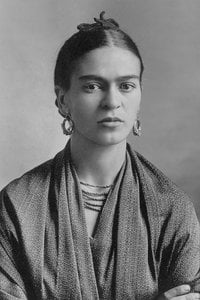
1907 - 1954 , 멕시코

Embark on a profound journey through Frida Kahlo's most iconic masterpieces. Discover the deep symbolism, Mexican heritage, and resilient spirit behind her legendary works in this expert art-historical exploration designed for true art enthusiasts.

Embark on a sophisticated journey through the surrealist movement. Discover how masters like Dalí and Ernst blurred the lines between dreams and reality through innovative techniques, exploring the profound impact of the subconscious on fine art history with expert authority.

Embark on a journey through the subconscious with our expert guide to Surrealism. Discover the profound symbolism of masters like Dalí and Ernst, exploring how dreamlike imagery reshaped art history and continues to inspire collectors and enthusiasts worldwide.

Explore the profound depths of Surrealism. Discover how masters like Dalí and Ernst unlocked the subconscious through dreamlike imagery, and learn to integrate these evocative, museum-quality masterpieces into your private collection with expert art historical insight.


최신 미술 뉴스, 특별 혜택 및 인테리어 아이디어를 가장 먼저 만나보세요.
프로젝트에 대해 알려주시면 저희 미술 전문가들이 맞춤형 아트 제안 3가지를 전달해 드립니다.
당신만을 위한 맞춤형 옵션 3가지를 무료로 추천해 드립니다!


 미리보기
미리보기
 공유하기
공유하기 공유하기
공유하기
 상세 정보
상세 정보

 다운로드
다운로드
 유사 작품
유사 작품 X-레이
X-레이 슬라이드 쇼
 더 보기
더 보기









 유리 옵션은 110cm 미만 크기에서만 선택 가능합니다.