Oil On CanvasWallArtSurrealist Expression
 1933Modern
 23.0 x 22.0 cm




























작품의 원본 비율을 유지하는 미리 설정된 크기 중에서 선택하세요.

특정 프레임이나 공간에 맞도록 직접 크기를 입력할 수 있습니다. 선택하신 크기가 원본 이미지의 비율과 일치하지 않는 경우, 작품을 자르거나 추가적인 손으로 그린 요소를 사용하여 그림을 확장합니다. 제작 시작 전 승인을 위해 디지털 목업을 보내드립니다.
화면 미리 보기는 실제 자르기 또는 확장을 반영하지 않습니다. 최종 구성은 목업을 통해서만 정확하게 확인하실 수 있습니다.
맞춤 크기 제작도 가능하지만, 원본 비율을 유지하기 위해 사전 정의된 목록에서 크기를 선택하시는 것을 권장합니다.

Self- Portrait Very Ugly
복제본 크기
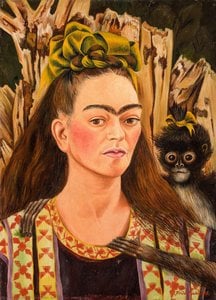
Frida Kahlo’s “Self Portrait Very Ugly,” painted in 1933, transcends mere representation; it embodies a profound exploration of identity, pain, and resilience—themes that permeate the entirety of her oeuvre. More than just an image of herself, this artwork serves as a visceral manifestation of Kahlo's internal landscape, confronting viewers with an unflinching gaze and a disconcerting honesty rarely found in portraiture.
Beyond the central figure lies a subtle yet significant layering of symbolism. Two apples—one positioned on the right side of the canvas and another nestled at the bottom left corner—are strategically placed to disrupt any idealized notion of beauty or serenity. Apples, traditionally associated with fertility and immortality, here serve as emblems of decay and imperfection—a poignant commentary on Kahlo’s own physical limitations and psychological struggles.
Painted during Kahlo's turbulent period following her devastating accident in 1925, “Self Portrait Very Ugly” aligns itself with the broader Surrealist movement—a reaction against rational thought and a fascination with dreams and subconscious imagery. However, unlike many Surrealists who sought to explore fantastical realms, Kahlo anchors her artistic vision firmly within autobiographical experience.
“This painting is about my pain,” Kahlo famously stated, encapsulating the essence of her artistic endeavor. “It’s about me.” The artwork serves as a testament to Kahlo's ability to transform personal suffering into powerful visual narratives—a feat that continues to resonate with audiences today.“Self Portrait Very Ugly” commands attention not through conventional beauty but through its unflinching honesty. The artist’s gaze confronts the viewer head-on, conveying a palpable sense of vulnerability and introspection—a courageous assertion of self amidst physical hardship. Ultimately, the painting embodies Kahlo's profound acceptance of her condition—transforming pain into an instrument of artistic expression and forging a legacy as one of the most emotionally resonant portraits of the 20th century.

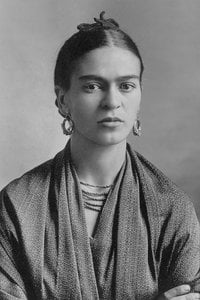
1907 - 1954 , 멕시코

Step into a dreamscape of Surrealism. Uncover the stories behind 10 iconic masterpieces by legends like Salvador Dalí and René Magritte. Find museum-quality art reproductions and curated decor inspiration to transform your space. Discover all masterpieces on WahooArt.com.

Step into a dreamscape of iconic Surrealist masterpieces. From Dali to Magritte, explore the stories behind the world's most famous artworks and find museum-quality reproductions for your home. Discover all masterpieces on WahooArt.com.

Embark on a profound journey through Frida Kahlo's most iconic masterpieces. Discover the deep symbolism, Mexican heritage, and resilient spirit behind her legendary works in this expert art-historical exploration designed for true art enthusiasts.

Journey through the dreamlike depths of Surrealist Expressionism. Explore 10 iconic masterpieces, their emotive stories, and timeless techniques. Find museum-quality art reproductions and curated decor inspiration for your space. Discover all masterpieces on WahooArt.com.

Step into the dreamscape of Salvador Dalí. Explore 25 iconic Surrealist masterpieces, from melting clocks to bizarre landscapes. Discover the stories behind these timeless works and find museum-quality art reproductions for your decor. Explore the full collection on WahooArt.com.


 미리보기
미리보기
 프린트 구매
 공유하기
공유하기 공유하기
공유하기
 상세 정보
상세 정보

 다운로드
다운로드
 유사 작품
유사 작품 X-레이
X-레이 슬라이드 쇼
 더 보기
더 보기









 유리 옵션은 110cm 미만 크기에서만 선택 가능합니다.