

작가가 직접 캔버스에 손으로 그린 유화 작품으로, 원하는 크기와 액자로 맞춤 제작해 드립니다. ( 프린트 판매로 전환 디지털 이미지 판매 채널로 전환)





























작품의 원본 비율을 그대로 유지하는 프리셋 사이즈 중에서 선택해 보세요.

액자나 벽면 크기에 맞춰 필요한 가로와 세로 길이를 입력해 주세요. 본 작품은 수작업으로 제작되므로, 요청하신 비율에 따라 작가가 그림의 가장자리를 조금 더 넓게 그리거나 일부를 조정하여 작업할 수 있습니다. 작업 시작 전, 최종 확인을 위해 디지털 목업 이미지를 보내드립니다. 이 페이지에 표시된 이미지는 실제 결과물과 다를 수 있으며, 오직 목업 이미지만이 정확한 결과물을 보여줍니다.
Camel's Hump
복제본 규격
“Camel’s Hump,” painted in 1912 by Frederick McCubbin, is more than just a depiction of a mountain; it's a profound meditation on the evolving relationship between humanity and the vast, untamed landscapes of Australia. This iconic work, now housed within the National Gallery of Victoria, offers a captivating glimpse into the Heidelberg School’s artistic philosophy – a movement that sought to capture the essence of Australian life through direct observation and a deeply felt connection with the bush.
The painting immediately draws the eye with its harmonious composition. A meandering river snakes through a verdant valley, flanked by rolling hills culminating in the imposing silhouette of Camel’s Hump itself. The artist masterfully employs atmospheric perspective – softening distant details and utilizing subtle gradations of color to create a sense of depth and vastness. McCubbin's technique is distinctly Impressionistic, characterized by loose brushstrokes and an emphasis on capturing fleeting moments of light and shadow. He eschews meticulous detail in favor of conveying the overall mood and feeling of the scene – a quiet reverence for the natural world.
The choice of subject matter is particularly revealing. Camel’s Hump, with its distinctive twin peaks, has long held a place in Australian folklore and Indigenous storytelling. The Abenaki people, who first encountered the mountain, named it “Moziozagan,” meaning “moose’s shoulder,” reflecting its resemblance to a resting moose. Later European settlers adopted variations of this name – “The Resting Lion” and eventually, “Camel’s Hump” – highlighting the ongoing process of cultural interpretation and naming within Australia's evolving identity. McCubbin’s painting serves as a visual record of this landscape, imbued with a sense of both familiarity and mystery.
Beyond its local significance, Camel’s Hump represents a broader theme in McCubbin’s work: the pioneering spirit of Australia and the challenges faced by those who sought to carve out a life amidst the wilderness. The presence of a lone figure on the riverbank – likely a stockman or settler – subtly suggests this human element within the vast landscape, inviting contemplation about the individual's place in the Australian narrative.
The painting’s muted palette—dominated by earthy greens, browns, and blues—evokes a sense of tranquility and solitude. The light, diffused and soft, contributes to this feeling of peaceful contemplation. However, beneath the surface serenity lies a subtle undercurrent of melancholy – a recognition of the harsh realities of life in the bush and the enduring power of nature. McCubbin’s work often explores themes of isolation, loss, and the struggle for survival, reflecting the experiences of many early Australian settlers.
“Camel’s Hump” is not simply a landscape painting; it's a poignant portrait of a nation in transition. It encapsulates the Heidelberg School’s commitment to portraying authentic Australian life while simultaneously offering a profound reflection on the relationship between humanity and its environment. The work continues to resonate with viewers today, reminding us of the enduring beauty and complexity of the Australian bush.
프레데릭 맥커빈의 "Camel's Hump"의 제작 연도는 1912년입니다.
아니요 - 해당 작품은 해외에 보관되어 있습니다. 프레데릭 맥커빈의 출생국은 호주이며, "Camel's Hump"의 원작을 소장하고 있는 미술관은 Australia에 있습니다.
프레데릭 맥커빈의 "Camel's Hump"의 X선 분석 페이지는 엑스레이 스타일의 뷰를 포함하여 작품 이미지의 11개 광학 레이어를 슬라이드하며 살펴볼 수 있는 인터랙티브 뷰어를 제공합니다.


1855 - 1917 , 호주

Explore the captivating world of Frederick Goodall (1822–1904), a celebrated Victorian artist renowned for his detailed genre paintings and evocative Egyptian scenes. Discover his life, legacy & find high-quality reproductions at WahooArt.

Explore the luminous landscapes of John Frederick Kensett, a master of Luminism and key figure in the Hudson River School. Discover his serene paintings & enduring legacy with WahooArt.
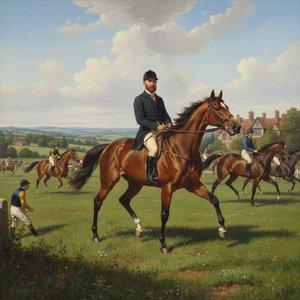
Explore the life & work of John Frederick Herring Sr., a leading Victorian equestrian artist. Discover his masterpieces, patronage, techniques & investment potential. Expert insights for collectors.

Explore the captivating world of Frederick Morgan, a key figure in Victorian Aestheticism. Discover his beautiful paintings, recurring themes, and lasting legacy with our expert analysis. Learn more today!

Explore the captivating Orientalist paintings of John Frederick Lewis! Discover his mastery of detail, genre scenes & influence on 19th-century British art. Learn about his life, techniques & legacy at WahooArt.

 실제 크기로 보기
 보내기
보내기 공유하기
공유하기
 상세 보기
상세 보기 가이드 보기

 이미지 다운로드
 유사 작품 더 보기
 X-레이
X-레이 슬라이드 쇼 보기
 통계 정보
통계 정보


 상세 보기
상세 보기









 유리 옵션은 110cm 미만 크기에서만 선택 가능합니다.


