

이 페이지에 표시된 작품은 저작권법의 보호를 받으며, 이에 따라 동일한 복제품을 제작하거나 판매하는 것은 법으로 금지되어 있습니다. 이러한 권리 보호는 다음과 같은 국제 협약에 따라 시행됩니다. 베른 협약 또한 다음에서 명시하는 법률을 포함한 국내법에 의해 보호됩니다. 미국 저작권법 제17조.
저희는 존중을 담은 합법적인 대안으로서, 원작에서 영감을 받은 맞춤형 수제 유화 작품을 제공합니다. 저희의 숙련된 전문 화가들은 원작의 스타일, 분위기, 예술적 정수를 면밀히 연구하여, 그 자체로 독창적인 창작물이면서도 원작과 동일한 감동을 불러일으키는 새로운 작품을 만들어냅니다.
이 방식은 저작권 보호를 받는 예술 작품을 복제하거나 그대로 재현하는 것이 아니기에 저작권 규정을 완벽히 준수합니다. 대신, 이는 창의적인 재해석의 과정을 거칩니다. 즉, 원작에서 영감을 받되 원작과 동일하지 않은 새로운 회화 작품을 의미합니다.
작가가 직접 캔버스에 손으로 그린 유화 작품으로, 원하는 크기와 액자로 맞춤 제작해 드립니다. ( 프린트 판매로 전환 디지털 이미지 판매 채널로 전환)
작품의 원본 비율을 그대로 유지하는 프리셋 사이즈 중에서 선택해 보세요.

액자나 벽면 크기에 맞춰 필요한 가로와 세로 길이를 입력해 주세요. 본 작품은 수작업으로 제작되므로, 요청하신 비율에 따라 작가가 그림의 가장자리를 조금 더 넓게 그리거나 일부를 조정하여 작업할 수 있습니다. 작업 시작 전, 최종 확인을 위해 디지털 목업 이미지를 보내드립니다. 이 페이지에 표시된 이미지는 실제 결과물과 다를 수 있으며, 오직 목업 이미지만이 정확한 결과물을 보여줍니다.
Lionel Hampton
복제본 규격
"Lionel Hampton"의 미리보기 페이지에서는 주문 전 작품을 미리 확인할 수 있습니다.
"Lionel Hampton"와 유사한 작품들은 해당 작품의 유사한 작품 페이지에서 확인하실 수 있습니다.
Frederick James Brown의 "Lionel Hampton"은(는) Vivid 색채 강도를 보여줍니다.

Frederick James Brown (1945-2012) wasn’t merely a painter; he was a chronicler of the American spirit, a visual storyteller weaving together threads of history, spirituality, urban life, and the profound resonance of music. His canvases pulsated with color and energy, capturing not just likenesses but the very essence of his subjects – primarily jazz and blues musicians, alongside figures from religious and historical narratives. Born in Chicago and later establishing himself as a New York City-based artist, Brown’s work evolved over decades, reflecting a deep engagement with both the past and the present, resulting in a uniquely powerful and enduring body of art.
Brown's artistic journey began with a strong influence from European Expressionism, particularly the bold brushstrokes and emotional intensity of artists like Willem de Kooning, who became a mentor. This early exposure shaped his approach to color and form, encouraging him to prioritize feeling over strict representation. However, Brown quickly developed his own distinctive style, blending elements of abstraction with figurative portraiture. He wasn’t interested in simply replicating his subjects; instead, he sought to distill their spirit, their energy, and the stories they embodied onto the canvas. This is particularly evident in his numerous portraits of jazz legends like Lionel Hampton, where the musicians aren't just depicted, but seem to vibrate with the music they created.
Brown’s work consistently grappled with themes of history, religion, and narrative. He frequently incorporated historical figures – including portraits inspired by Frederick Douglass, a towering figure in the fight for abolition – into his compositions, suggesting connections between past struggles and contemporary realities. His fascination with religious iconography is also deeply interwoven throughout his oeuvre. The influence of Puritanism, stemming from his own upbringing, informed his use of symbolism and his exploration of moral questions. This isn’t to say that Brown's work is overtly didactic; rather, he invites viewers to contemplate the complexities of faith, justice, and human experience through carefully constructed visual narratives.
The urban landscapes that appear in many of his paintings – often rendered with a vibrant, almost chaotic energy – reflect his deep connection to New York City. These scenes aren’t simply depictions of buildings and streets; they are windows into the soul of a city teeming with life, struggle, and resilience. Brown masterfully captured the dynamism of urban environments, conveying both their beauty and their inherent contradictions.
Perhaps most renowned for his portraits of jazz and blues musicians, Brown elevated these figures to iconic status. He didn’t simply paint faces; he painted souls. His subjects – including luminaries like Charles Mingus, Nina Simone, and Dizzy Gillespie – are rendered with an astonishing level of detail and emotional depth. Brown's portraits capture the intensity of their performances, the weight of their experiences, and the profound impact they had on American culture. The use of bold colors, dynamic compositions, and expressive brushstrokes creates a sense of movement and energy that perfectly reflects the music these artists created.
Consider his painting of Lionel Hampton, featured prominently in WahooArt’s collection. The vibrant palette—a riot of reds, yellows, and blues—mirrors the joyous sound of Hampton's music. The composition itself is dynamic, suggesting movement and improvisation, mirroring the spontaneous nature of jazz performance. It’s a testament to Brown’s ability to translate musical experience into visual form.
Frederick James Brown’s work has been exhibited in major museums worldwide, including the Metropolitan Museum of Art, the Smithsonian American Art Museum, and the Kemper Museum of Contemporary Art. His paintings are held in prestigious collections, a testament to their enduring quality and artistic merit. His influence extends beyond the art world; he was recognized for his contributions to American culture and his commitment to social justice. Brown’s legacy lies not only in his stunning artwork but also in his ability to connect with viewers on an emotional level, prompting reflection on themes of history, faith, and the human spirit.
Brown's passing in 2012 left a void in the art world, but his work continues to resonate with audiences today. His paintings serve as powerful reminders of the rich cultural heritage of America and the enduring power of music to inspire and uplift.

1945 -

제임스 애벗 맥닐 휘슬러의 최고 걸작 25선을 만나보세요. 야간 풍경부터 아랑미술관 소장품까지, 예술가의 삶과 작품 세계를 탐험합니다. 색채와 분위기가 완벽한 조화를 이루는 그림들을 WahooArt.com에서 감상하고 특별한 공간을 완성하세요.

Experience art's raw power! Explore 10 iconic paintings – Van Gogh, Kahlo & more – that define 'bold'. Discover the stories behind these expressive masterpieces and find museum-quality reproductions for your home at WahooArt.com.

Explore 10 iconic paintings bathed in captivating sandy brown tones! From Rembrandt to Monet, discover the stories behind these timeless masterpieces & find museum-quality art reproductions for your home. Explore the full collection on WahooArt.com.
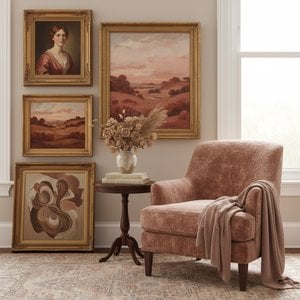
Explore 10 iconic paintings bathed in captivating rosy brown tones! From Rembrandt to Titian, discover the stories behind these masterpieces & their warm color palettes. Find museum-quality art reproductions and decor inspiration at .
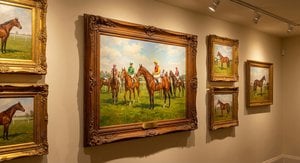
Explore 25 iconic Sir Alfred Munnings paintings! Discover the beauty of British Impressionism, equine art & rural England. Find museum-quality reproductions and elevate your home decor with WahooArt. Explore the full collection online.

 실제 크기로 보기
 보내기
보내기 공유하기
공유하기
 상세 보기
상세 보기 가이드 보기

 이미지 다운로드
 유사 작품 더 보기
 X-레이
X-레이 슬라이드 쇼 보기
 통계 정보
통계 정보

 상세 보기
상세 보기






































 유리 옵션은 110cm 미만 크기에서만 선택 가능합니다.


