빠른 제작과 다양한 마감 옵션을 선택할 수 있는 박물관 수준의 지클레이 및 캔버스 프린트. ( 수작업 채색 복제본 주문하기 디지털 이미지 판매 채널로 전환)
작품의 원본 비율을 그대로 유지하는 프리셋 사이즈 중에서 선택해 보세요.

액자나 벽면 크기에 맞춰 필요한 가로와 세로 길이를 입력해 주세요. 프린트는 원본 이미지보다 크게 제작할 수 없으며 오직 자르는 것만 가능하므로, 비율이 다른 사이즈를 선택할 경우 이미지의 일부가 잘려 나갈 수 있습니다. 인쇄 작업에 들어가기 전, 최종 확인을 위해 디지털 목업을 보내드립니다. 이 페이지에 표시된 이미지는 실제 잘리는 영역을 나타내지 않으며, 오직 목업을 통해서만 정확한 확인이 가능합니다.
The Stampede
복제본 규격
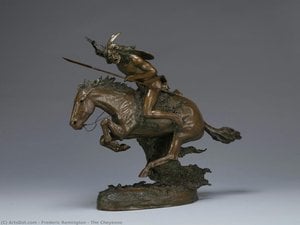
Frederic Remington’s “The Stampede” isn't merely a depiction of cowboys and cattle; it’s a visceral embodiment of the American frontier, a moment frozen in time that captures both the raw power of nature and the indomitable spirit of those who wrestled with it. Completed in 1910, this bronze sculpture stands as a testament to Remington’s profound understanding of his subject – not just cowboys and horses, but the very essence of the vanishing West he so passionately chronicled. The piece resonates deeply, evoking feelings of exhilaration, danger, and an undeniable connection to a bygone era.
Remington, born in Canton, New York, wasn’t destined for the dusty trails he immortalized. His lineage was rooted in Eastern industry – his father a Civil War colonel and newspaper editor, connected through distant cousins to the Remington Arms dynasty. Yet, an early fascination with military themes, coupled with a restless spirit and a keen eye for storytelling, propelled him westward. “The Stampede” exemplifies this journey; it’s a deliberate departure from the idealized romanticism of earlier Western art, presenting instead a brutally honest portrayal of the chaos and energy inherent in cattle drives. The sculpture's creation coincided with a period of rapid change in the West – the decline of open range ranching, the rise of railroads, and the encroachment of civilization – making it a poignant reflection on a way of life rapidly disappearing.
Remington’s masterful use of bronze is central to the sculpture's impact. The material itself—dark, earthy, and subtly textured—provides an ideal foundation for capturing movement and conveying weight. He skillfully employed *lost-wax casting*, a technique that allowed him to achieve incredible detail in the musculature of both animals and men. Notice the tautness of the horses’ muscles as they surge forward, the powerful stance of the bull dominating the center, and the determined expressions on the cowboys' faces. The subtle variations in shading – from deep shadows highlighting the contours of the bodies to brighter areas catching the light – create a remarkable sense of depth and volume, drawing the viewer into the heart of the action.
The composition is deliberately dynamic, utilizing a strong diagonal flow that leads the eye through the scene. The overlapping figures, the intertwined limbs, and the sheer number of animals contribute to a feeling of overwhelming movement. Remington’s attention to anatomical accuracy is remarkable; he wasn't simply depicting cowboys riding horses; he was rendering the complex mechanics of animal locomotion with astonishing precision. Even the base of the sculpture—a simple geometric form—provides a grounding element, anchoring the frenetic energy above.
“The Stampede” is rich in symbolic meaning. The stampede itself represents not just a literal event but also the relentless drive of progress – the westward expansion that fundamentally reshaped America. The cowboys, though undeniably skilled and courageous, are presented as participants in a process larger than themselves, caught within the currents of history. The bull, a symbol of both power and danger, embodies the untamed wilderness that defined the West. The sculpture subtly acknowledges the precariousness of this existence – the potential for chaos and destruction lurking beneath the surface of apparent control.
Furthermore, the piece speaks to the romantic ideal of the cowboy—a figure often idealized in popular culture. Remington’s depiction is far more complex, portraying a life of hardship, danger, and constant struggle. The sculpture isn't celebrating heroism; it’s documenting a reality, capturing the grit and determination required to survive on the frontier. The weathered faces of the cowboys, their clothing worn and dusty, hint at years spent battling the elements and confronting the unknown.
“The Stampede” remains one of Frederic Remington’s most iconic works, a powerful testament to his artistic vision and his profound understanding of the American West. Its enduring appeal lies not only in its technical brilliance but also in its ability to evoke a strong emotional response – a sense of awe, excitement, and perhaps even a touch of melancholy for a way of life that is now largely lost. Reproductions capture much of this power, offering a tangible connection to this pivotal moment in American history and a lasting tribute to the artist who so brilliantly documented it.
프레데릭 레밍턴의 "The Stampede"은(는) Dramatic한 분위기 속에서 american west, cowboys, stampede, bronze sculpture, frederic remington, frontier life, western art을(를) 묘사합니다. 작품의 주제와 분위기가 어우러져 하나의 완성된 세계를 보여줍니다.
네, 해당 작품은 작가의 본국에 보관되어 있습니다.. 프레데릭 레밍턴의 출생국은 미국이며, "The Stampede"의 원작을 소장하고 있는 미술관은 미국에 있습니다.
프레데릭 레밍턴의 "The Stampede"의 색채는 Discordant Palette 조화를 보여줍니다. 조화란 색상들이 서로 어떻게 어우러지는지를 의미합니다.

1861 - 1909 , 미국

Discover the enduring elegance of bronze sculpture. From ancient Roman strength to Art Deco sophistication, explore our expert guide on collecting, casting techniques, and integrating timeless metal masterpieces into your fine art collection.

Discover the enduring allure of bronze sculptures at WahooArt.com. From classical lost-wax casting to modern metal masterpieces, explore museum-quality artworks designed to elevate luxury interiors. Expert curation, authenticity guaranteed, and worldwide shipping for discerning collectors.

Discover the enduring allure of bronze sculpture. From the intricate lost-wax process to Neoclassical masterpieces, our expert guide offers connoisseurs deep insights into evaluating patina, historical significance, and integrating metal fine art into sophisticated collections.

 보내기
보내기 공유하기
공유하기
 상세 보기
상세 보기 가이드 보기

 이미지 다운로드
 유사 작품 더 보기
 슬라이드 쇼 보기
 통계 정보
통계 정보


 상세 보기
상세 보기






































 유리 옵션은 110cm 미만 크기에서만 선택 가능합니다.