x


 BronzeSculpture
 1905
1905 28.0 x 60.0 cm
 Amon Carter Museum of American Art
빠른 제작과 다양한 마감 옵션을 제공하는 박물관 품질의 지클레이 또는 캔버스 프린트. ( 손으로 그린 그림 구매 이미지 구매)
작품의 원본 비율을 유지하는 미리 설정된 크기 중에서 선택하세요.

특정 프레임이나 공간에 맞춰 직접 치수를 입력하실 수 있습니다. 선택하신 사이즈가 원본 이미지의 비율과 일치하지 않을 경우, 작품을 크롭(자르기)하거나 이미지를 대칭 또는 단색 채우기로 확장하여 제작합니다. 제작 시작 전, 최종 확인을 위해 디지털 목업이 전송됩니다.
화면상의 미리보기는 실제 크롭이나 확장 상태를 반영하지 않으므로, 최종 구도는 오직 목업을 통해서만 정확하게 확인하실 수 있습니다.
맞춤 사이즈 제작도 가능하지만, 원본 비율을 유지하기 위해서는 사전 정의된 목록에서 치수를 선택하시는 것을 권장합니다.

The Rattlesnake
복제본 크기
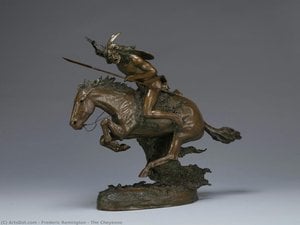
Frederic Remington’s “The Rattlesnake,” completed in 1905, isn't merely a sculpture; it’s a visceral embodiment of the American West as it was fading into legend. Born in Canton, New York, Remington wasn’t a native son of the frontier—his lineage traced back to French Basque roots and a family deeply intertwined with the Remington Arms dynasty – yet he possessed an almost obsessive fascination with its rugged spirit. This piece, rendered in rich, dark bronze, captures a pivotal moment of tension and skill, a fleeting glimpse into the life of a cowboy confronting a formidable adversary: nature itself.
Remington’s work during this period was profoundly shaped by his experiences as a war correspondent for Hearst's newspaper. He witnessed firsthand the realities of frontier life – the cattle drives, the Native American conflicts, and the evolving relationship between man and land. “The Rattlesnake” reflects this engagement, moving beyond romanticized depictions to present a scene of raw, immediate action. It’s a testament to Remington’s ability to translate observation into powerful visual storytelling.
At first glance, the sculpture presents a seemingly simple tableau: a cowboy, mid-action, attempting to trick a horse. However, closer inspection reveals a meticulously crafted composition brimming with dynamic energy. The rider, clad in a dusty chaps coat and a wide-brimmed hat, leans forward with an intense focus, his hand gripping the horse’s mane as if desperately holding on for dear life. The horse itself is caught in a moment of startled panic, its legs splayed out in a rearing posture, its head thrown back to reveal a flash of teeth and a coiled rattlesnake poised to strike.
“The Rattlesnake” exemplifies Remington's mastery of bronze casting, utilizing the lost-wax method – a technique that allows for intricate detail and remarkable realism. The sculpture’s rich, dark patina is not simply a surface treatment; it’s the result of carefully controlled oxidation during the casting process, enhancing the material’s depth and texture. The base of the sculpture, constructed from wood, provides a grounding element, subtly suggesting the rugged terrain of the American West.
Lost-Wax Casting Process:Beyond its technical brilliance, “The Rattlesnake” resonates with profound symbolism. It speaks to the enduring spirit of the American West – a land of both opportunity and peril, where courage, skill, and a deep connection to nature were essential for survival. The sculpture captures a fleeting moment of intense action, but it also evokes a sense of timelessness, reminding us of the challenges faced by those who shaped this nation’s identity.
Remington's work continues to captivate audiences with its raw energy and evocative storytelling. “The Rattlesnake” stands as a powerful testament to his artistic vision and a lasting symbol of the American West.

1861 - 1909 , 미국

Discover the enduring allure of bronze sculptures at WahooArt.com. From classical lost-wax casting to modern metal masterpieces, explore museum-quality artworks designed to elevate luxury interiors. Expert curation, authenticity guaranteed, and worldwide shipping for discerning collectors.

Discover the enduring elegance of bronze sculpture. From ancient Roman strength to Art Deco sophistication, explore our expert guide on collecting, casting techniques, and integrating timeless metal masterpieces into your fine art collection.

Discover the enduring allure of bronze sculpture. From the intricate lost-wax process to Neoclassical masterpieces, our expert guide offers connoisseurs deep insights into evaluating patina, historical significance, and integrating metal fine art into sophisticated collections.


최신 미술 뉴스, 특별 혜택 및 인테리어 아이디어를 가장 먼저 만나보세요.
프로젝트에 대해 알려주시면 저희 미술 전문가들이 맞춤형 아트 제안 3가지를 전달해 드립니다.
당신만을 위한 맞춤형 옵션 3가지를 무료로 추천해 드립니다!


 공유하기
공유하기 공유하기
공유하기
 상세 정보
상세 정보

 다운로드
다운로드
 유사 작품
유사 작품 슬라이드 쇼
 더 보기
더 보기






































 유리 옵션은 110cm 미만 크기에서만 선택 가능합니다.