작품의 원본 비율을 유지하는 미리 설정된 크기 중에서 선택하세요.

특정 프레임이나 공간에 맞도록 직접 크기를 입력할 수 있습니다. 선택하신 크기가 원본 이미지의 비율과 일치하지 않는 경우, 작품을 자르거나 추가적인 손으로 그린 요소를 사용하여 그림을 확장합니다. 제작 시작 전 승인을 위해 디지털 목업을 보내드립니다.
화면 미리 보기는 실제 자르기 또는 확장을 반영하지 않습니다. 최종 구성은 목업을 통해서만 정확하게 확인하실 수 있습니다.
맞춤 크기 제작도 가능하지만, 원본 비율을 유지하기 위해 사전 정의된 목록에서 크기를 선택하시는 것을 권장합니다.

The Broncho Buster
복제본 크기
Frederic Remington's "The Broncho Buster," created in 1895, isn’t merely a sculpture; it’s a vibrant embodiment of the American West—a romanticized yet undeniably powerful depiction of the cowboy and his relationship with the untamed landscape. This iconic bronze captures a fleeting moment of exhilarating struggle between man and beast, instantly transporting viewers to the dusty plains and rugged trails of the late 19th century. Remington, a self-taught artist initially drawn to military subjects, meticulously researched and immersed himself in the lore of the frontier, transforming his observations into enduring works that continue to resonate today.
The sculpture’s genesis lies within the burgeoning fascination with the West following the Civil War. Remington, despite his Eastern roots, recognized a potent narrative thread—the westward expansion, the clash between civilization and wilderness, and the heroic figures who embodied this dynamic. “The Broncho Buster” became one of his most commercially successful pieces, cementing his reputation as *the* artist of the vanishing West. It was commissioned by Remington’s patron, Joseph Gliddon, and produced in a limited edition of sixty-four sand cast bronzes, making each piece a significant collectible.
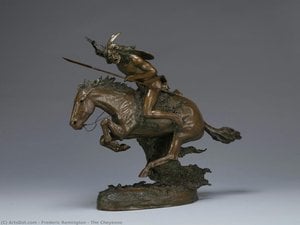
Remington's choice to employ the sand casting method for this particular sculpture is crucial to understanding its unique character. This technique, favored by Remington for its ability to retain fine detail from the original clay model, allowed him to meticulously sculpt the musculature of both the cowboy and the horse with remarkable precision. The resulting surface exhibits a rich, dark patina—a testament to the transformative process of bronze casting—that adds depth and visual interest. The sculpture’s base is circular and textured, providing a stable foundation for the dynamic figures above, grounding the scene in its physical reality.
Interestingly, Remington experimented with different casting methods throughout his career, eventually transitioning to the lost wax process at the Roman Bronze Works. However, “The Broncho Buster” stands as a prime example of his skill and mastery with sand casting, showcasing the intricate details achieved through this traditional technique. The welding together of multiple pieces—a testament to the labor-intensive nature of bronze production—further emphasizes the dedication required to bring this monumental work to life.
Beyond its immediate depiction of a cowboy taming a wild horse, “The Broncho Buster” carries profound symbolic weight. The image speaks to themes of courage, skill, and the enduring spirit of the frontier. The cowboy’s determined expression, his grip on the reins, and the horse's frantic struggle all contribute to a narrative of control versus chaos—a microcosm of the broader conflict between civilization and nature that defined the American West.
The horse itself is not simply a wild animal; it represents the untamed wilderness, the challenges faced by settlers, and the inherent danger of this new frontier. The cowboy’s victory isn't merely about subjugating the beast but about mastering the environment—a metaphor for the westward expansion and the shaping of America itself. Remington skillfully captures this duality, creating a work that is both thrillingly energetic and deeply symbolic.
“The Broncho Buster” remains one of Frederic Remington’s most celebrated works, appreciated for its dynamic composition, technical brilliance, and evocative portrayal of the American West. Reproductions are available through reputable art reproduction companies, offering a way to bring this iconic sculpture into your home or office. When selecting a reproduction, consider the materials used—a high-quality print on archival paper will best capture the richness of the original bronze patina. This piece is more than just decoration; it’s a window into a pivotal era in American history and a testament to the enduring allure of the frontier spirit.

1861 - 1909 , 미국

Discover the enduring allure of bronze sculptures at WahooArt.com. From classical lost-wax casting to modern metal masterpieces, explore museum-quality artworks designed to elevate luxury interiors. Expert curation, authenticity guaranteed, and worldwide shipping for discerning collectors.

Discover the enduring elegance of bronze sculpture. From ancient Roman strength to Art Deco sophistication, explore our expert guide on collecting, casting techniques, and integrating timeless metal masterpieces into your fine art collection.

Discover the enduring allure of bronze sculpture. From the intricate lost-wax process to Neoclassical masterpieces, our expert guide offers connoisseurs deep insights into evaluating patina, historical significance, and integrating metal fine art into sophisticated collections.


 프린트 구매
 공유하기
공유하기 공유하기
공유하기
 상세 정보
상세 정보

 다운로드
다운로드
 유사 작품
유사 작품 슬라이드 쇼


 더 보기
더 보기






































 유리 옵션은 110cm 미만 크기에서만 선택 가능합니다.