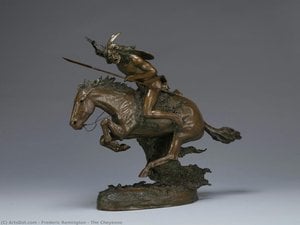
빠른 제작과 다양한 마감 옵션을 제공하는 박물관 품질의 지클레이 또는 캔버스 프린트. ( 손으로 그린 그림 구매 이미지 구매)
작품의 원본 비율을 유지하는 미리 설정된 크기 중에서 선택하세요.

특정 프레임이나 공간에 맞춰 직접 치수를 입력하실 수 있습니다. 선택하신 사이즈가 원본 이미지의 비율과 일치하지 않을 경우, 작품을 크롭(자르기)하거나 이미지를 대칭 또는 단색 채우기로 확장하여 제작합니다. 제작 시작 전, 최종 확인을 위해 디지털 목업이 전송됩니다.
화면상의 미리보기는 실제 크롭이나 확장 상태를 반영하지 않으므로, 최종 구도는 오직 목업을 통해서만 정확하게 확인하실 수 있습니다.
맞춤 사이즈 제작도 가능하지만, 원본 비율을 유지하기 위해서는 사전 정의된 목록에서 치수를 선택하시는 것을 권장합니다.

Bedouin Riding a Camel
복제본 크기

Franz Xaver Bergmann (July 27, 1861 – January 1, 1936) was a prominent Viennese foundry owner who became renowned for the production of exquisitely detailed and colorful patinated bronze sculptures. Though often mistakenly referred to as a sculptor himself, Bergmann’s true talent lay in his entrepreneurial skill and mastery of the casting process.
Born in Vienna, Austria, Bergmann inherited a family tradition in metalwork. His father, Franz Bergmann, was a skilled chaser who had established a small bronze factory in 1860 after relocating from Gablonz. This foundation provided young Franz Xaver with an early exposure to the intricacies of bronze production and laid the groundwork for his future success.
Franz Xaver Bergmann took over the family business and, in 1900, opened a new and expanded foundry. This marked a significant turning point, allowing him to increase production and diversify the range of bronze objects created. Many early designs continued to draw upon his father’s established workshop repertoire, ensuring a consistent level of quality and artistic merit.
Bergmann's foundry became celebrated for its diverse output, encompassing:
His work is characterized by meticulous detail, vibrant cold-painting techniques, and a playful approach to form. The bronzes often exhibit a remarkable sense of movement and personality.
It’s crucial to understand that Bergmann was not the sculptor in most cases; he was a foundry owner who employed numerous anonymous sculptors on a temporary basis. He expertly managed the casting, patination, and finishing processes, bringing their designs to life with exceptional quality. Bruno Zach, another notable artist, occasionally collaborated with Bergmann, utilizing his foundry for certain works – some of which were signed under the pseudonym ‘Prof. Tuch’.
Bergmann's bronzes are typically marked with either a letter 'B' within an urn-shaped cartouche or 'nam greb' – 'bergman' spelled in reverse. The latter signature was specifically used on erotic pieces to conceal his direct involvement.
Bergmann’s foundry played a significant role in the flourishing of decorative arts during the Art Nouveau period. His bronzes were highly sought after by collectors and remain popular today, representing a unique blend of artistic skill, technical expertise, and entrepreneurial vision. He successfully catered to a growing demand for luxurious and exotic objects, leaving behind a lasting legacy in the world of bronze sculpture.

1861 - 1936 , Austria


 미리보기
미리보기
 공유하기
공유하기 공유하기
공유하기
 상세 정보
상세 정보

 다운로드
다운로드
 유사 작품
유사 작품 X-레이
X-레이 슬라이드 쇼
 더 보기
더 보기






































 유리 옵션은 110cm 미만 크기에서만 선택 가능합니다.