
원하는 크기와 액자로 주문 제작되는, 작가들이 직접 캔버스에 손으로 그린 유화 작품입니다. ( 프린트 판매로 전환 디지털 이미지로 전환)





























작품의 원본 비율을 유지하는 미리 설정된 크기 중에서 선택하세요.

특정 프레임이나 공간에 맞도록 직접 크기를 입력할 수 있습니다. 선택하신 크기가 원본 이미지의 비율과 일치하지 않는 경우, 작품을 자르거나 추가적인 손으로 그린 요소를 사용하여 그림을 확장합니다. 제작 시작 전 승인을 위해 디지털 목업을 보내드립니다.
화면 미리 보기는 실제 자르기 또는 확장을 반영하지 않습니다. 최종 구성은 목업을 통해서만 정확하게 확인하실 수 있습니다.
맞춤 크기 제작도 가능하지만, 원본 비율을 유지하기 위해 사전 정의된 목록에서 크기를 선택하시는 것을 권장합니다.

Dissonance
복제본 크기
Franz Von Stuck’s “Dissonance,” painted in 1910, is more than just a depiction of a man and child; it's a profound exploration of the inherent tensions within human experience. Created during a pivotal moment in art history – the rise of Symbolism – this oil on panel work captures the movement’s core tenet: to evoke emotion and provoke thought through symbolic imagery rather than literal representation. Stuck, a key figure in German Symbolism, masterfully utilizes composition and color to create a scene brimming with unsettling beauty and intellectual depth.
The painting immediately confronts the viewer with a striking juxtaposition. A formally dressed man, clearly embodying demonic qualities through his horns and posture, holds a musical instrument—a pipe—while a child clutches a drum. This deliberate pairing creates an immediate sense of discord, reflecting the title’s core theme: dissonance. The setting, a backdrop of a serene blue sky, amplifies this tension, drawing attention to the unsettling interaction between innocence and corruption. Stuck's skill lies in his ability to render both figures with remarkable detail; the man’s suit and tie contrast sharply with his monstrous features, while the child’s simple clothing and gentle expression highlight their vulnerability.
Stuck's technique is characterized by rich, layered brushstrokes and a masterful use of color. The blues of the sky provide a cool counterpoint to the warmer tones used for the figures, further emphasizing their opposing natures. The musical instruments themselves are laden with symbolism – the pipe representing temptation and the drum signifying primal rhythm and perhaps even chaos. The painting’s formal composition, reminiscent of classical mythology, subtly elevates the scene beyond a simple narrative, inviting viewers to contemplate deeper philosophical questions about morality, good versus evil, and the nature of human desire. The panel medium itself adds to the work's tactile quality and reinforces its connection to traditional artistic practices.
"Dissonance" was created during a period of significant social and intellectual upheaval in Europe. The rise of industrialization, coupled with anxieties about modernity, fueled a desire for artists to explore subjective experience and spiritual themes. Stuck’s work aligns perfectly with this movement, rejecting the naturalistic conventions of earlier art styles in favor of a more emotionally resonant approach. His connection to the Museum Villa Stuck in Munich, where the painting resides, places it within a vibrant artistic community dedicated to preserving and promoting Symbolist ideals.
“Dissonance” continues to resonate with viewers today due to its powerful exploration of fundamental human conflicts. The painting’s unsettling beauty, combined with its complex symbolism, invites contemplation and evokes a range of emotions—from fascination to unease. It's a testament to Stuck’s artistic vision and his ability to capture the complexities of the human condition through a uniquely symbolic lens. A hand-painted reproduction offers an unparalleled opportunity to experience this masterpiece in exquisite detail.


1863 - 1928 , 독일
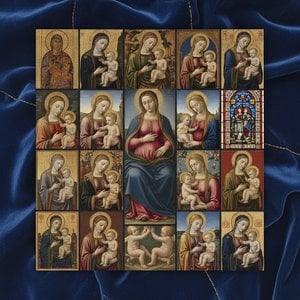
Embark on a sophisticated journey through art history with our curated guide to the most iconic Madonna and Child masterpieces. Discover the profound beauty, theological depth, and enduring legacy of these sacred Renaissance treasures.


 미리보기
미리보기
 공유하기
공유하기 공유하기
공유하기
 상세 정보
상세 정보

 다운로드
다운로드
 유사 작품
유사 작품 X-레이
X-레이 슬라이드 쇼
 통계 정보
통계 정보


 더 보기
더 보기









 유리 옵션은 110cm 미만 크기에서만 선택 가능합니다.


