
 Oil On CanvasWallArtExpressionism
 1911Modern
 105.0 x 62.0 cm
 슈테델 미술관
원하는 크기와 액자로 주문 제작되는, 작가들이 직접 캔버스에 손으로 그린 유화 작품입니다. ( 프린트 판매로 전환 디지털 이미지로 전환)





























작품의 원본 비율을 유지하는 미리 설정된 크기 중에서 선택하세요.

특정 프레임이나 공간에 맞도록 직접 크기를 입력할 수 있습니다. 선택하신 크기가 원본 이미지의 비율과 일치하지 않는 경우, 작품을 자르거나 추가적인 손으로 그린 요소를 사용하여 그림을 확장합니다. 제작 시작 전 승인을 위해 디지털 목업을 보내드립니다.
화면 미리 보기는 실제 자르기 또는 확장을 반영하지 않습니다. 최종 구성은 목업을 통해서만 정확하게 확인하실 수 있습니다.
맞춤 크기 제작도 가능하지만, 원본 비율을 유지하기 위해 사전 정의된 목록에서 크기를 선택하시는 것을 권장합니다.

Dog Lying in the Snow
복제본 크기
In the quietude of a frozen landscape, where the world seems to hold its breath, lies a moment of profound spiritual stillness. “Dog Lying in the Snow,” painted by the German master Franz Marc around 1911, is far more than a mere depiction of an animal in winter; it is a window into the very essence of the Expressionist movement. At first glance, the viewer is met with a striking contrast: the warm, golden-yellow hue of a solitary canine nestled against the stark, cool expanse of snowdrifts. This is not the meticulous realism of the Academy, but a deliberate, emotive journey. Marc, a founding member of Der Blaue Reiter, sought to bypass the superficiality of the external world to capture an inner, spiritual truth. Through this piece, we witness his unique ability to transform a simple natural scene into a profound meditation on peace and vulnerability.
The technique employed in this masterpiece serves to heighten its emotional resonance. Rather than smooth, invisible transitions, Marc utilizes loose, expressive brushstrokes that imbue the canvas with a palpable sense of energy and life. The texture of the oil paint creates a rhythmic surface, where the layers of color seem to vibrate against one another. Notice how the artist employs a palette dominated by harmonious yellows and deep greens, punctuated by the ethereal whites of the snow. This use of color is deeply symbolic; for Marc, colors were not merely descriptive but possessed their own psychological weight. The white of the snow, ranging from alabaster to ecru, suggests a sense of purity and innocence, while the dark green foliage provides a grounding, organic weight to the composition. The flattened perspective—a hallmark of Expressionism—denies the viewer a traditional sense of depth, instead pulling the focus toward the emotional intensity of the subject.
To gaze upon this painting is to encounter the intersection of the domestic and the divine. The dog, often viewed as a symbol of loyalty and simplicity, acts as a surrogate for the human soul navigating a vast, sometimes overwhelming natural world. In Marc’s vision, animals were vessels of purity, untainted by the corrupting influences of modern industrial civilization. By placing this golden figure within the biting cold of the snow, he creates a tension between vulnerability and tranquility. The scene evokes a sense of quiet contemplation, inviting the observer to find their own moment of stillness amidst the chaos of existence.
For the discerning collector or interior designer, this artwork offers an unparalleled opportunity to introduce a sense of sophisticated calm into a living space. Its horizontal composition and balanced color palette make it a versatile centerpiece, capable of anchoring a room with its quiet strength. Whether placed in a contemporary gallery-style setting or a more traditional study, “Dog Lying in the Snow” provides a continuous dialogue between the viewer and the natural world. Owning a high-quality reproduction of this work is not merely about decorating a wall; it is about inviting a piece of art history—a fragment of a lost, spiritual era—into the modern home, ensuring that the profound peace captured by Franz Marc continues to resonate for generations to come.

1880 - 1916 , 독일

Explore the profound world of Franz Marc's Expressionist paintings. Discover his spiritual connection to animals, innovative use of color, and lasting impact on modern art history. Learn more at WahooArt.
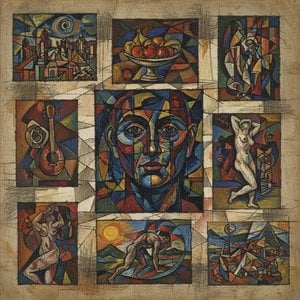
Explore 10 defining Cubist Expressionism masterpieces by Picasso, Braque & more. Discover the stories behind these bold, geometric paintings and bring museum-quality art to your home with WahooArt.com. Explore the full collection online.

Explore 10 defining German Expressionism masterpieces – from Munch's 'The Scream' to Kandinsky’s abstracts. Discover the artists, stories & bold colors behind this powerful art movement. Find museum-quality reproductions at WahooArt.com.
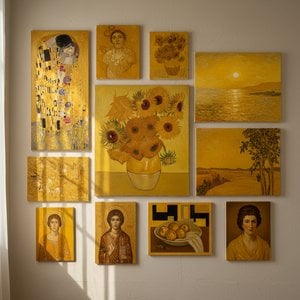
Explore 10 iconic paintings bathed in golden yellow ochre! From Van Gogh's sunflowers to Monet’s haystacks, discover the stories behind these masterpieces. Find museum-quality art reproductions & elevate your home decor on .

Immerse yourself in golden light! Explore 10 famous paintings dominated by 'Chrome Yellow', from Van Gogh’s Sunflowers to Monet's Haystacks. Discover the stories behind these iconic Impressionist & Post-Impressionist masterpieces and find museum-quality art reproductions at WahooArt.com.


 미리보기
미리보기
 공유하기
공유하기 공유하기
공유하기
 상세 정보
상세 정보 가이드 보기

 다운로드
다운로드
 유사 작품
유사 작품 X-레이
X-레이 슬라이드 쇼
 통계 정보
통계 정보 더 보기
더 보기









 유리 옵션은 110cm 미만 크기에서만 선택 가능합니다.


